Introduction
Fiery Andhra cooking holds a distinct place in South India’s culinary map, driven by a combination of red-chilli intensity, deep aromatic masalas, tang-laden ingredients, and preparations designed to leave a long, vibrant trail on the palate. When this cuisine meets Bangalore’s beer-friendly dining culture, the encounter becomes a study in sensory balance. Much of the appeal comes from the way beer interacts with capsaicin-driven heat, tamarind acidity, and the bold seasoning that defines many Andhra dishes. The right pairing produces clarity in flavour, steadying the impact of spice while allowing the complexity of the dish to remain intact.
Beer offers a range of attributes that respond differently to chilli heat: bitterness can raise the perceived burn, malt sweetness can soften harshness, carbonation can clear lingering spice, and alcohol strength can amplify heat if used without care. Andhra cooking requires selections that understand the push-and-pull between these variables. Bangalore’s beer culture further adds context, as diners often alternate between crisp lagers, lightly sweet wheat beers, malt-forward options, and hop-bright craft selections. Each style influences how the spice profile unfolds.
Regional dishes bring their own requirements. A tamarind-based preparation behaves differently with beer compared to a dry chilli fry. A gongura-based dish shifts the pairing dynamics again due to its sour-leaf tang. These variations shape not only taste but also the tempo at which spice moves across the palate. With this in mind, strategic pairing becomes essential for creating harmony between beverage and cuisine.
This guide starts with the flavours that define Andhra food, moves into the core principles of matching beer with spice, and then applies those foundations to specific dishes. The goal is to offer clarity for diners in Bangalore who want dependable pairing choices when ordering Andhra meals with beer at restaurants or bars.
Key Takeaways
• Andhra cuisine relies on red-chilli intensity, tang from tamarind or gongura, and spice layering that requires careful beer matching.
• Beer bitterness, malt sweetness, carbonation, and alcohol strength shape how heat is perceived.
• High bitterness can intensify chilli burn; mild sweetness and lively carbonation often soften it.
• Regional dish variations, such as coastal tang or Rayalaseema heat, influence the most suitable beer style.
Table of Contents
Understanding the Flavour Profile of Andhra Food
Andhra food stands out for its assertive heat, layered masalas, and the interplay between chilli density and souring agents. The cuisine leans heavily on both dried red chillies and fresh green chillies, creating a dual-heat effect that strikes quickly and lingers. This heat is accompanied by strong aromatics, generous seasoning, and regional influences that shape taste patterns across Andhra Pradesh and Telangana.
Key elements that influence beer pairing include:
• Red-chilli concentration creating deep, slow-building heat
• Green-chilli brightness that adds sharper, faster spice
• Tamarind-based acidity used in pulusus and gravies
• Gongura leaf sourness giving tangy, earthy notes
• Dry masala rubs that cling to meat and amplify heat over time
The cuisine’s regional spread introduces additional variation:
• Coastal Andhra: moderate heat with a stronger presence of tang and seafood-based preparations
• Rayalaseema: high-intensity chilli levels, often exceeding other South Indian styles
• Telangana: robust masalas with both heat and pungency
A representative set of dishes highlights these attributes:
| Dish | Dominant attribute | Heat level | Implication for beer pairing |
| Gongura mutton | sour-leaf tang + spice | medium-high | benefits from clean, crisp beers that highlight acidity |
| Kodi Vepudu | dry chilli + masala | very high | pairs well with malt-forward or lightly sweet beers |
| Naatu Kodi Pulusu | tamarind + chilli | high | works with low-bitterness beers with moderate sweetness |
| Andhra Chicken 65 | deep fry + chilli marinade | high | balanced by carbonation and mild sweetness |
These dishes reveal how Andhra cuisine rarely settles into a single heat profile. Instead, it blends spice with acidity, sourness, or masala density. Beer pairing depends on understanding which parts of the profile need balancing. A dish dominated by tang calls for crisp clarity. A dish heavy in dry spice may require soft malt character. A dish with piercing chilli heat benefits from a style that steadies the palate rather than sharpens the burn.
Beer-and-Spice Pairing Principles for High-Heat Cuisines
Pairing beer with spicy food involves recognising how capsaicin interacts with bitterness, sweetness, carbonation, alcohol strength, and mouthfeel. These attributes form the core of every pairing decision and determine whether the spice becomes sharper, softer, or more rounded. High-heat cuisines such as Andhra cooking demand precision because small shifts in taste structure can noticeably alter the food’s impact.
Capsaicin binds to heat receptors, causing an intensifying burn as the meal progresses. Beer styles with elevated bitterness can magnify this effect, because hop bitterness and capsaicin activate similar pathways. This is why many high-IBU beers create an impression of rising heat when paired with spicy food. Another factor is alcohol percentage. Higher alcohol levels warm the palate, increasing capsaicin perception and making already spicy dishes feel sharper than intended.
Counteracting these effects requires the presence of balancing traits:
• Mild malt sweetness that cushions spice
• Moderate body that supports lingering flavours without adding heaviness
• Carbonation that clears dense masalas from the palate
• Lower bitterness that avoids increasing chilli burn
These principles explain why lightly sweet wheat beers, crisp lagers, and malt-forward ambers often succeed with strong Andhra heat. Each style uses a different mechanism to regulate spice. Wheat beer softens edges through gentle sweetness. Lager cleans the palate through carbonation and a clean finish. Amber styles work through warmth and malt weight.
Beer Style Attributes: What to Consider When Matching with Andhra Food
Beer selection for Andhra cuisine depends on how key attributes shape the sensory response to spice, acidity, and masala density. These attributes act as structural levers that either steady the palate or magnify heat. Understanding their roles ensures accurate pairing choices across the cuisine’s varying profiles.
Bitterness is a defining marker of many beer styles. High bitterness creates stronger stimulation alongside chilli-driven burn, especially when dishes contain layered red-chilli masala or dry seasoning. Low to moderate bitterness avoids intensifying heat and allows food flavour to emerge without sharp spikes in sensation. Malt sweetness counterbalances spice by offering a softening effect on capsaicin’s intensity, making it useful with Rayalaseema-style dishes or fried items that deliver fast, concentrated heat.
Alcohol level is equally important. Higher alcohol produces warmth that accentuates capsaicin’s impact. In a cuisine already known for upper-level heat, beers with restrained ABV produce calmer pairings. Carbonation influences how quickly spice resets on the palate. Highly carbonated beers scrub away masala residue, helping the next bite feel lighter even when the underlying dish carries significant intensity.
Body and residual sugar also shift the interaction. A moderate body gives presence without heaviness, allowing clarity when eating rich dishes. Residual sugar provides cushioning around chilli-driven heat while still allowing acidity or tanginess to travel cleanly across the palate.
Mapping Popular Andhra Dishes to Beer Styles
The flavour structure of Andhra dishes varies significantly across regions and preparation methods, requiring tailored beer matches for each type. Identifying the dominant attribute—tang, dry spice, chilli concentration, or masala density—helps determine the suitable beer style.
Coastal Andhra dishes often blend medium heat with tang or subtle sourness. Gongura mutton is a prime example, combining sour-leaf acidity with steady heat. A crisp lager or pale pilsner works well because the clean finish sharpens the leaf’s flavour without overwhelming the spice. Fish-based coastal dishes benefit from similar profiles, as carbonation and clarity support the light, tang-oriented character.
Rayalaseema dishes demand different treatment due to their higher chilli load and dry masala components. Kodi Vepudu features intense red-chilli layers that cling to the palate. A malt-forward amber or wheat-style beer offers mild sweetness that calms the heat while supporting the masala’s depth. Andhra Chicken 65, another high-intensity dish, responds well to beers with medium-high carbonation and moderate sweetness. These characteristics lift the marinade’s spice while keeping the bite-to-sip rhythm comfortable.
Snacks and street-style items such as Mirchi Bajji, Pesarattu, or spicy fritters bring variable intensity. Light wheat beers, session lagers, or low-bitterness ales provide balance through refreshing carbonation and gentle sweetness. They maintain flavour clarity during repeated snacking and help regulate the rapid spike of heat produced by green-chilli components.
Why Nandhini Deluxe Beer Works for Andhra Food in Bangalore
Nandhini Deluxe Beer aligns closely with the flavour challenges posed by Andhra cuisine and fits naturally within Bangalore’s dining culture. The beer’s profile offers moderate malt character, stable carbonation, and controlled bitterness, making it suitable for dishes that feature both high red-chilli concentration and tamarind-driven acidity. These attributes place it in a versatile zone that balances intensity across multiple regional preparations.
The beer’s restrained bitterness avoids the sensory escalation that often occurs when high-IBU styles meet Rayalaseema-style dishes. Its malt notes provide gentle cushioning, giving the palate room to manage spice levels found in preparations such as Kodi Vepudu or Andhra Chicken 65. Its carbonation plays an important role when handling masala-heavy foods, helping dissolve lingering layers of chilli while preserving clarity in taste.
Serving temperature also contributes to compatibility. Poured at a chilled but flavour-conscious range, the beer delivers a refreshing counterpoint to hot dishes without muting their complexity. This temperature balance encourages repeated sipping during meals involving deep-fried or heavily seasoned Andhra items.
In Bangalore’s restaurant and bar context, diners often navigate diverse menus combining regional specials and beer selections. Nandhini Deluxe Beer offers simplicity for such settings. Its structure fits a variety of Andhra dishes without requiring constant recalibration between sips. Restaurants benefit from predictable reactions: dishes maintain their intended heat levels while the beer moderates intensity through carbonation and malt presence.

A feature-focused table illustrates these interactions:
| Element of Nandhini Deluxe Beer | Interaction with Andhra spice | Effect on dining experience |
| Moderate malt body | cushions chilli intensity | smoother spice progression |
| Controlled bitterness | prevents heat amplification | stable flavour experience |
| Active carbonation | clears masala | refreshed palate |
| Balanced ABV | avoids raising heat | comfortable pairing pace |
These characteristics make Nandhini Deluxe Beer a practical and dependable companion for Bangalore diners seeking a stable pairing with Andhra cuisine’s signature heat patterns.
FAQs
1. Which beer style works best with high-heat Andhra dishes like Kodi Vepudu?
Beers with moderate malt sweetness and low bitterness tend to perform well because they steady the chilli-forward heat. Wheat beers and amber styles help cushion dry masala intensity without amplifying burn.
2. What type of beer pairs well with tang-heavy Andhra dishes such as Gongura mutton?
Crisp, clean-finishing lagers and pilsners complement gongura’s sour-leaf acidity. These styles maintain clarity and prevent tang from becoming overly sharp.
3. Does IPA pair effectively with Andhra cuisine?
High-IBU IPAs often magnify capsaicin heat due to overlapping bitterness and spice receptor responses. Only low-bitterness pale ales with restrained hop profiles match moderately spiced dishes comfortably.
4. What beer works best with Andhra Chicken 65?
Beers with active carbonation and mild sweetness fit the marinade’s fast, concentrated heat. Wheat beers and session lagers are the most reliable options.
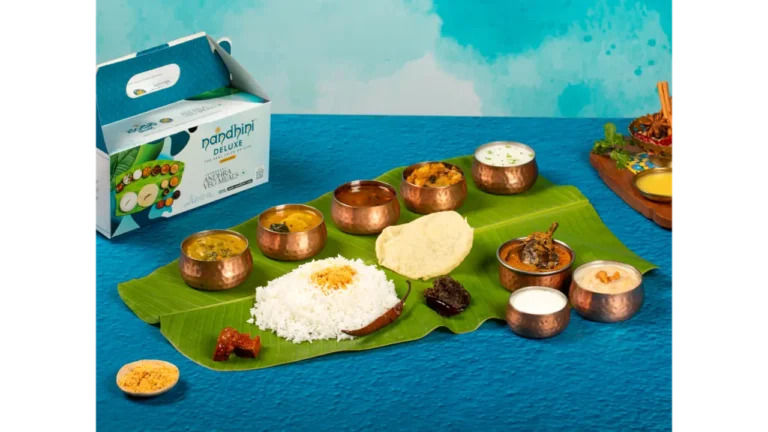
5. Which beer style supports an Andhra thali with multiple flavour intensities?
A balanced beer with moderate body, low bitterness, and medium-high carbonation handles varied tang, spice, and masala textures. Wheat beers and smooth lagers offer steady performance across the thali.
6. How does carbonation influence the heat level in Andhra cuisine?
Carbonation clears masala residue from the palate and reduces the lingering effect of chilli, helping maintain comfort during repeated bites.
Conclusion
Pairing beer with Andhra cuisine becomes far more rewarding when the structural traits of both food and beverage are understood in detail. The interaction between chilli-driven heat, souring agents like tamarind and gongura leaf, and dense masala layering requires beverage characteristics that neither compete with the cuisine’s intensity nor mute its distinctive identity. Beer styles with moderate malt sweetness, low-to-moderate bitterness, and lively carbonation align consistently with these requirements, helping maintain clarity across meals that shift between tangy gravies, dry-fry dishes, and high-chilli preparations.
The regional spread of Andhra cuisine reveals why a single pairing rule cannot apply to all dishes. Coastal dishes benefit from crisp, clean-finishing beers that highlight sour components. Rayalaseema dishes demand malt presence to cushion powerful red-chilli layers. Street-style snacks with sharp green-chilli spikes rely on carbonation to keep the palate steady. These variations demonstrate the importance of thoughtful selection, especially in Bangalore’s dining environment where diverse menu items often appear together.
Nandhini Deluxe Beer fits naturally into this landscape because its profile matches the demands of Andhra cuisine without overwhelming flavour balance. Its stable carbonation, controlled bitterness, and supportive malt character create a reliable match for dishes with fluctuating spice levels. The beer’s structure helps manage heat escalation while keeping the dish’s core flavour intact, making it suitable for diners seeking stable, predictable pairings across a variety of Andhra staples.
In Bangalore’s restaurants and bars, this advantage becomes practical. Shared dining, mixed spice intensities, and multi-dish ordering patterns are common. A beer that maintains harmony across these differences simplifies the dining process. Nandhini Deluxe Beer serves as a dependable anchor, supporting both high-chilli favourites and tang-led dishes without requiring constant recalibration.
This combination of regional cuisine, structured pairing principles, and beverage compatibility creates a compelling dining experience. Guests exploring Andhra flavours in Bangalore can rely on Nandhini Deluxe Beer as a balanced, adaptable companion. Restaurants and bars featuring Andhra dishes gain a straightforward pairing option that complements the cuisine’s heat, tang, and masala depth while preserving the meal’s intended character.