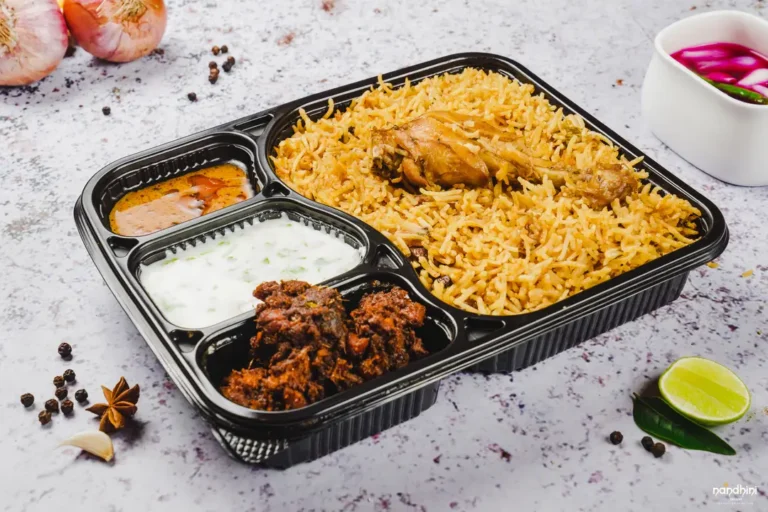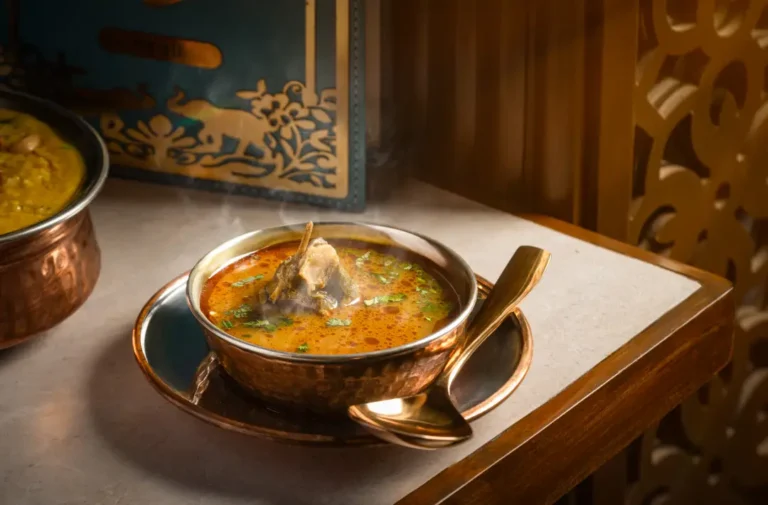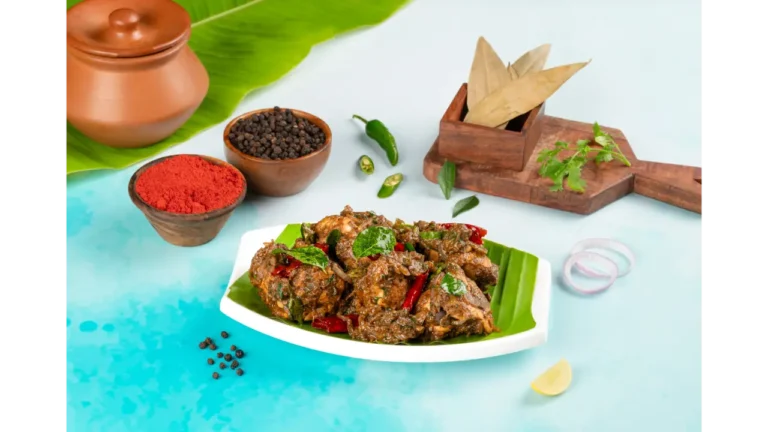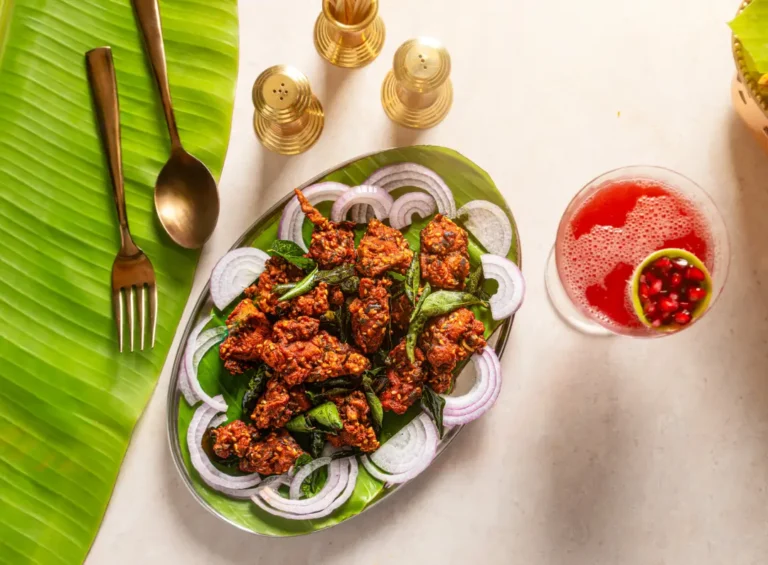
If you’ve ever stared at a menu and hesitated between Boneless Chicken Biryani and Chicken Biryani (with bone), you’re not alone.
Most people pick based on habit, not logic:
- “Bone-in tastes better, no?”
- “Boneless is easier, right?”
- “What should I order for office lunch?”
- “What’s better for guests or kids?”
And then the regret hits when the biryani arrives.
The good news: this is an easy decision when you stop thinking of it as “which is better” and start thinking of it as which one is right for today.
This guide will help you choose fast, based on:
- Flavor (what actually changes)
- Convenience (how easy it is to eat and serve)
- Delivery experience (what holds up best)
- Best occasions (office, family dinner, guests, parties, late-night)
No drama. No guessing. Just a smart, no-regret choice.
Table of Contents
Pick in 60 seconds (save this)
Choose BONELess chicken biryani if:
- You’re eating at the office or at your desk
- You want fast eating with minimal mess
- You’re ordering for kids or elders
- You hate bones, interruptions, or messy hands
- You’re ordering delivery and want “open and eat” convenience
- You’re serving a group and want easy distribution of chicken pieces
Choose BONE-IN chicken biryani if:
- You want the more traditional “proper biryani” experience
- You enjoy slower eating and picking the best bites
- You believe the chicken character matters more than convenience
- It’s a relaxed meal (weekend lunch, family dine-in, guests who enjoy eating slowly)
- You like a mix of textures from different cuts
If you’re still unsure, use this tie-breaker:
Efficiency today? Choose boneless.
Experience today? Choose bone-in.
The real difference in one line
- Boneless biryani is convenience-first: clean bites, consistent eating, easy serving.
- Bone-in biryani is experience-first: more traditional feel, slower enjoyment, “chicken character” stands out more for many people.
Neither is automatically better.
They’re built for different situations.
Flavor comparison: what actually changes (and what doesn’t)
Let’s address the biggest belief upfront:
“Bone-in always tastes better.”
Sometimes. Not always.
Here’s the truth:
In biryani, the biggest drivers of “wow” are usually:
- rice texture
- masala balance
- aroma
- tenderness of chicken
- how evenly flavor is distributed
Bone presence is a factor, but it’s not the whole story.
Bone-in flavor advantages (why people love it)
Bone-in biryani often feels more “chicken-forward” because:
- different cuts behave differently (some pieces feel juicier, some more intense)
- the experience is more varied bite-to-bite
- the act of eating bone-in chicken slows you down, and slower eating makes flavor feel stronger
Also, many people emotionally associate bone-in with “authentic.” That perception adds to enjoyment.
Boneless flavor advantages (why it can be underrated)
Boneless biryani can be amazing because:
- chicken pieces are usually easier to season evenly
- you get consistent chicken in every portion
- the bites feel cleaner and more “direct”
If you’ve ever eaten bone-in biryani where half the pieces felt too small or annoying, boneless can actually feel more satisfying.
What really decides “tastier”
If you want to choose based on taste, don’t ask “bone or no bone?”
Ask:
- Is the chicken tender or dry?
- Is the rice fragrant or flat?
- Is the masala balanced or harsh?
- Does the chicken feel integrated with the rice?
A well-made boneless biryani beats a poorly made bone-in biryani every time.
Convenience comparison: where boneless wins hard
This is where boneless has a clear advantage.
1) Ease of eating
Boneless biryani is:
- fork-friendly
- interruption-free
- smooth to eat quickly
- easier to portion
Bone-in biryani requires:
- extra time
- bone management
- slightly messier hands/plates
- more attention while eating
If you’re hungry and impatient, boneless can feel like a gift.
2) Cleanliness and speed
Boneless is a strong choice when you need:
- a neat meal
- quick eating
- low cleanup
- less chance of dropping bones or creating a messy plate
This is why boneless is often preferred for:
- office lunches
- travel eating
- desk meals
- quick dinners when you’re tired
3) Serving a group
Boneless biryani is easier to serve because:
- you can scoop consistent portions
- everyone gets chicken without “who got the big piece” drama
- it feels more fair in group settings
Bone-in biryani can create:
- uneven distribution
- “all bones in my portion” complaints
- slower serving and eating
Bone-in is still great for groups, but it requires more patience and table time.
Delivery performance (short, practical notes)
This is not a full delivery guide, but here’s what matters:
Boneless for delivery
Boneless biryani tends to feel more convenient when delivered because:
- you can start eating immediately
- you don’t need a “bone management” plate setup
- even if the biryani cools slightly, the bite experience stays consistent
For busy people, boneless delivery is a safe no-regret option.
Bone-in for delivery
Bone-in biryani can still be delicious on delivery, but:
- it feels slower and messier when you’re eating at home quickly
- bones can feel annoying when you just want comfort
- if pieces are small or uneven, it can feel less satisfying
Bone-in delivery works best when:
- you’re eating at home calmly
- you have time
- you want the proper experience even in delivery mode
Best occasions: what to choose and when
This is the part most people actually need.
Best for office lunch
Boneless wins.
Because office lunch needs:
- speed
- neat eating
- predictable bites
- minimal mess
If you have meetings after lunch, boneless is the safer choice.
Best for desk eating (work-from-home or at your desk)
Boneless wins again.
It’s easier to eat while doing something else, and you avoid bone interruptions.
Best for family dinner
It depends on who’s eating.
Choose boneless when:
- kids are eating
- elders are eating
- you want a clean, low-effort dinner
- you want to finish fast and relax
Choose bone-in when:
- it’s a sit-down family meal
- everyone enjoys traditional eating
- you want “proper biryani night” vibes
- you like the variety of different cuts
Best for guests at home
This depends on the vibe you want as a host.
Choose bone-in if:
- your guests enjoy slow, traditional biryani eating
- you’re hosting a relaxed meal
- you want the “proper feast” feel
Choose boneless if:
- you want zero mess hosting
- you want smooth serving
- you want guests to eat comfortably without dealing with bones
- you’re serving a mixed crowd (kids, elders, office friends)
Host rule:
If you want elegance and ease, boneless often makes hosting simpler.
Best for parties and group orders
Choose boneless when:
- you need easy serving
- you want fair chicken distribution
- people are eating standing or casually
- you want fewer complaints and faster eating
Choose bone-in when:
- it’s a sit-down group meal
- people enjoy slow eating
- the group cares about traditional experience more than convenience
Party rule:
Casual party → boneless.
Sit-down feast → bone-in.
Late-night hunger is about comfort and minimal effort.
Choose boneless when:
- you’re tired
- you want quick satisfaction
- you don’t want to manage bones at midnight
Choose bone-in when:
- you’re in “feast mode”
- you want that traditional biryani experience
- you’re actually sitting and enjoying, not just eating to sleep
Best for kids
Boneless is usually best.
Kids:
- dislike bones
- eat slower
- get annoyed easily
- need clean bites
Boneless reduces friction.
Best for elders
Often boneless works better because:
- easier chewing
- less effort
- more comfortable eating
Bone-in can still work if the elder person prefers traditional eating, but boneless is the safer default.
Common myths (quick and honest)
Myth 1: “Boneless biryani is always dry.”
Not true.
Dryness comes from:
- overcooked chicken
- holding time
- not enough moisture balance in the dish
Boneless can be juicy if cooked well. Bone-in can be dry if cooked poorly.
Myth 2: “Bone-in biryani is always more flavorful.”
Not always.
If the rice and masala are the hero, boneless can taste just as rich, sometimes even more evenly flavored bite-to-bite.
Myth 3: “Boneless means smaller portion.”
Portion depends on the restaurant’s serving size, not on bones. Some boneless portions can feel more filling because you’re not dealing with inedible bone weight.
Myth 4: “Boneless is less authentic.”
Authenticity is about technique and flavor, not only about whether bones are present. Many people choose boneless for comfort and still get a real biryani experience.
The decision checklist (answer these 6 questions)
If you want a bulletproof decision, answer these:
- How much time do you have to eat?
Short time → boneless
Relaxed time → bone-in
- Where are you eating?
Office/desk/travel → boneless
Dining table/slow meal → bone-in
- Do you hate mess or interruptions?
Yes → boneless
No → bone-in
- Delivery or dine-in?
Delivery convenience priority → boneless
Dine-in experience priority → bone-in
- Who is eating with you?
Kids/elders/mixed crowd → boneless
Traditional biryani lovers → bone-in
- What do you want today: efficiency or experience?
Efficiency → boneless
Experience → bone-in
If most answers point one way, that’s your choice.
How to make either choice feel better (small avoid-regret tips)
If you choose boneless
- Don’t order extremely spicy if you’re eating fast
- Eat in portions, not by mixing everything aggressively
- If you’re sharing, serve evenly so every plate gets chicken
If you choose bone-in
- Use a separate plate for bones (keeps it clean)
- Eat slower and enjoy the variety of cuts
- If you’re sharing, distribute pieces before everyone starts eating to avoid “all bones in my plate” situations
These small steps reduce the most common complaints.
FAQs: Boneless vs Bone-In Chicken Biryani
1) Which tastes better: boneless or bone-in chicken biryani?
It depends on what you value. Bone-in often feels more traditional and varied. Boneless can taste more evenly seasoned and is easier to enjoy quickly. Cooking quality matters more than bone presence.
2) Which is better for delivery?
Boneless is usually more convenient for delivery because it’s easier to eat immediately with less mess.
3) Which is better for office lunch?
Boneless. It’s faster, cleaner, and more predictable.
4) Is boneless biryani less authentic?
Not necessarily. Authenticity depends on technique and flavor. Boneless is simply a convenience-first format.
5) Does bone-in biryani have more chicken flavor?
It can feel that way for many people, but it’s not guaranteed. Rice texture and masala balance often matter more.
6) Which is better for kids?
Boneless is usually best because it’s easier to eat and less frustrating.
7) Which is better for elders?
Boneless is often better for ease and comfort, unless someone specifically prefers traditional bone-in eating.
8) Which should I order for a group?
Boneless is easier to serve and distribute fairly. Bone-in works if it’s a relaxed sit-down meal where everyone enjoys the traditional experience.
9) How do I avoid boneless biryani feeling dry?
Order from a place known for tender chicken, eat it fresh, and avoid reheating multiple times. If you’re storing leftovers, reheat gently.
10) How do I serve bone-in biryani neatly at home?
Keep a small side plate for bones, serve portions before everyone starts, and eat slowly. It turns messy eating into a clean experience.
Conclusion: Choose based on today’s need, not habit
Boneless vs bone-in chicken biryani isn’t a “better vs worse” debate.
It’s a “what do you need today?” decision. To experience visit Nandhini deluxe at bangalore.
- Choose boneless when you want convenience, speed, clean eating, and group-friendly serving.
- Choose bone-in when you want the traditional experience, varied bites, and a slower, more satisfying feast.