Introduction
Catering and banquet halls in Bangalore function as the primary infrastructure that shapes how social gatherings, corporate events, and milestone celebrations materialize. The city’s event ecosystem relies on venues capable of synchronizing food preparation, guest movement, seating, parking, acoustics, and staff coordination. Each attribute contributes to how smoothly an event unfolds, especially in areas with dense traffic and diverse food preferences.
A banquet hall acts as the physical framework that determines capacity limits, table layout efficiency, lighting possibilities, stage placement, and the quality of interactions among guests. The presence of an in-house kitchen or a dedicated catering partner influences the freshness of food, temperature consistency, and the speed at which dishes reach the buffet counters. In cities like Bangalore, where cuisines vary widely across neighborhoods, a hall with integrated catering becomes a decisive factor for families comparing venues.
Catering functions as the operational backbone that defines taste recall, sensory comfort, and event pacing. Menu design, spice balancing, buffet management, live counters, and staff responsiveness influence how guests perceive the event host. The relationship between the catering provider and the banquet hall environment affects factors such as food temperature retention, placement of service stations, and the timing of dish replenishment.
Questions frequently arise around capacity, cuisine type, event suitability, hall workflow, accessibility, and budget. These questions reflect the interconnected nature of event planning in Bangalore, where venue infrastructure and culinary execution must work as a unified system. A well-selected catering and banquet hall combination can reduce planning stress, eliminate logistic bottlenecks, and create a setting where guests feel comfortable, attended to, and well-fed.
KEY TAKEAWAYS
- Banquet halls in Bangalore function as event infrastructure that guides crowd flow, food service quality, and experience design.
- Catering providers influence sensory satisfaction through taste consistency, live stations, buffet coordination, and service speed.
- Venue layout, kitchen placement, staff capacity, and cuisine type determine how smoothly an event progresses.
- Event planners often compare venues based on accessibility, food quality, capacity, and integrated service workflows.
Table of Contents
Nandhini’s Catering as a Trusted Andhra Cuisine Specialist in Bangalore
Nandhini’s Catering carries a distinct position in Bangalore due to its Andhra cuisine identity, a regional style known for vibrant flavours, spice-forward profiles, and ingredient combinations that create strong sensory recall. The brand’s in-house culinary teams focus on traditional preparation techniques from districts such as Guntur, Godavari, and Rayalaseema, allowing the menu to maintain regional authenticity even when scaled for large gatherings.
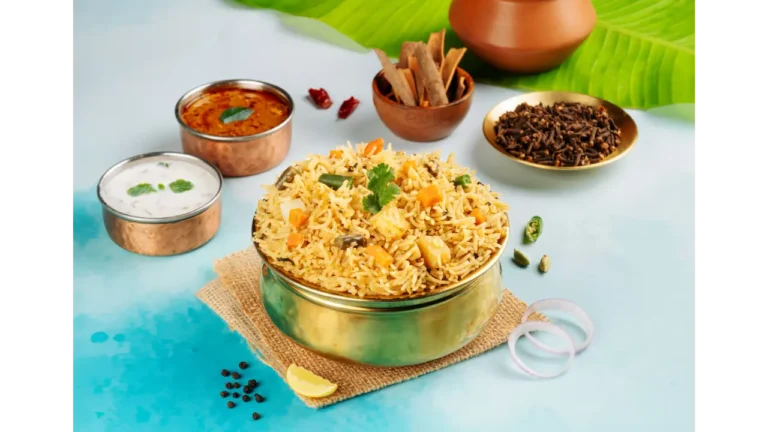
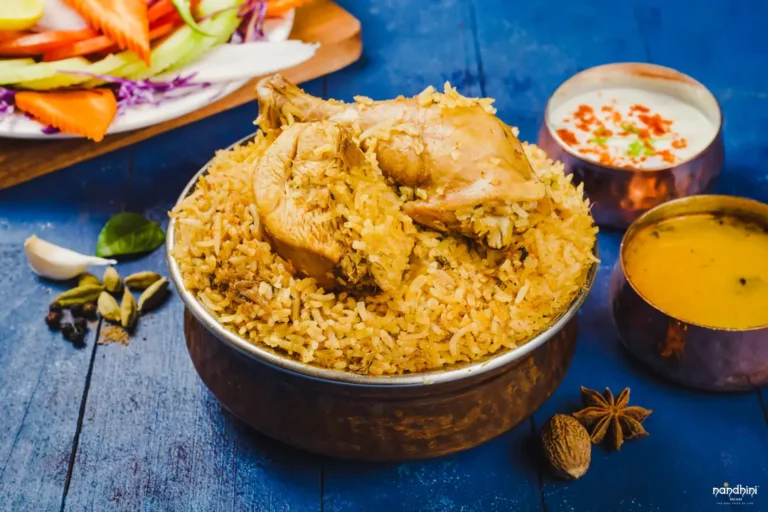
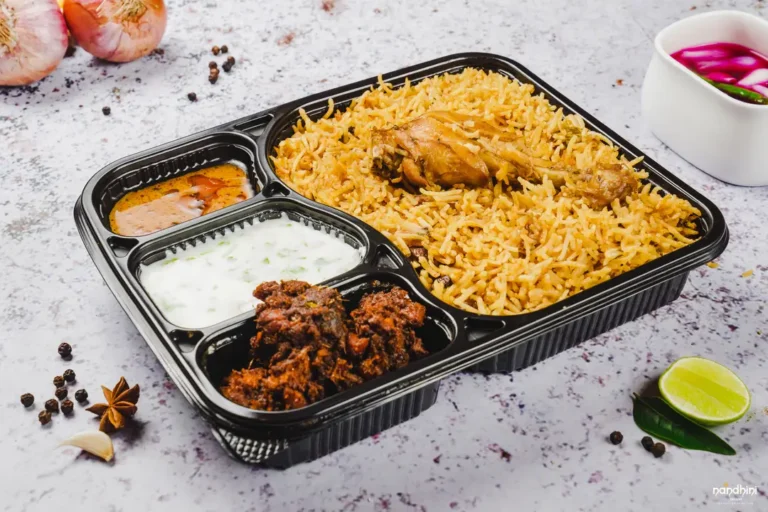
Key entities within Andhra catering include the heat of Guntur chilli, the tang of tamarind bases, the richness of gongura, and the aroma layers built through slow-cooked gravies. Dishes such as natukodi pulusu, Andhra biryani, pesarattu, pappu, podis, and a diverse range of pickles carry recognizable signatures that guests instantly associate with celebratory feasts. These entities are prepared using calibrated spice levels, ensuring that events with mixed-age audiences or corporate groups can still enjoy full flavour without discomfort.
Nandhini’s catering structure emphasizes harmony between dish selection and event objectives. Corporate brunches often require balanced menus with lighter gravies, controlled spice levels, and easy-to-serve starters. Wedding receptions typically include rich biryanis, layered curries, elaborate dessert spreads, and live counters that energize guest participation. Family functions lean toward authentic home-style meals with deeper regional cues.
Taste predictability, hygiene consistency, serving temperature, and buffet timing play central roles in maintaining the brand’s reputation. The team’s familiarity with high-traffic event conditions in Bangalore helps streamline plate replenishment, live counter operation, and queue management. These operational attributes become especially valuable during peak wedding seasons, when event hosts prioritize reliability as much as taste.
The Importance of Authentic Andhra Cuisine in Large Gatherings
Authentic Andhra cuisine is often chosen for large gatherings because it naturally fits celebratory atmospheres. The cuisine’s spice expression, aroma intensity, and layered textures produce a strong sense of indulgence, which guests associate with weddings and milestone events. Each dish carries a regional character shaped by chillies, lentils, herbs, and slow-cooking techniques that give the meal a full-bodied identity.
Sensory impact plays a significant role in guest satisfaction. The aroma from biryani pots, the warmth of freshly prepared gravies, and the presence of pickles with distinct tang profiles create a dining experience that stands out in a buffet environment. These factors help guests form positive memories tied to the host and the event itself.
Ingredient provenance and preparation rituals carry cultural value. Guntur chillies, gongura leaves, country chicken, and indigenous lentils are integral ingredients with long culinary histories. Their origins influence taste, colour, and aroma, creating authenticity that cannot be replicated by generic multi-cuisine menus. Traditional techniques such as slow simmering, iron-pot cooking, and freshly ground spice pastes further elevate the dishes.
Andhra cuisine also suits events with varied audience groups due to its adaptability. Spice calibration allows chefs to offer multiple versions of key dishes so that both heat-loving guests and milder-preference groups can enjoy the meal. Live counters, such as dosa or pesarattu stations, accommodate real-time customization, making the experience more interactive.
Cultural symbolism adds another dimension. Certain dishes are linked to prosperity, auspicious rituals, and celebratory traditions, making them particularly relevant for engagements, housewarmings, and community gatherings. The cuisine’s connection to hospitality makes it a natural choice for events where warmth, generosity, and abundance are essential themes.
Nandhini Banquet Hall, Singasandra — Functional Venue Design for Modern Events
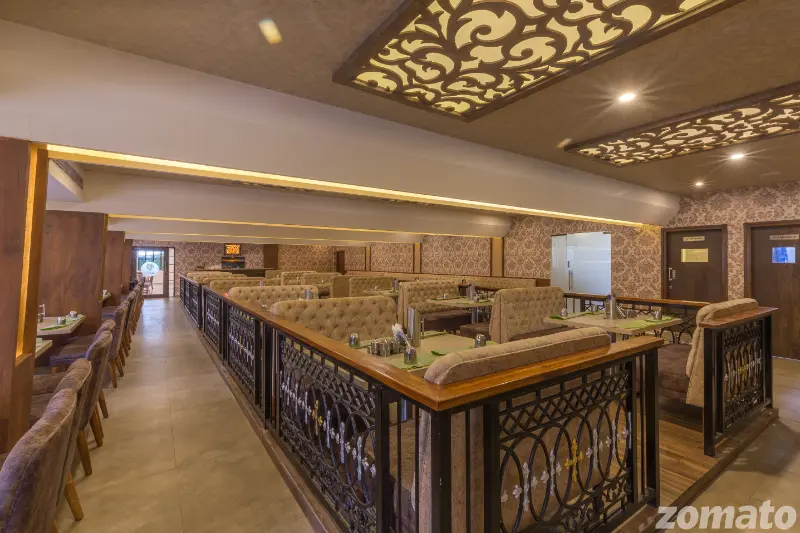
Nandhini Banquet Hall in Singasandra operates as a venue engineered for high-mobility events, especially in a locality connected to Hosur Road, Electronic City, and several residential clusters. Its layout focuses on reducing friction points that typically slow down gatherings in large halls. Wide entryways, structured seating rows, and strategically positioned buffet counters help maintain a steady guest flow during peak service hours.
The hall’s spatial attributes enable event planners to organize functions with varied requirements. Corporate events often demand a clean stage setup, clear acoustics, reliable lighting, and uninterrupted seating lines. Social events rely on distinct zones for dining, photography, rituals, and live interactions. The hall’s geometry supports both through adaptable floor plans that allow planners to adjust the seating density and movement corridors based on crowd size.
Integrated catering with Nandhini’s Andhra cuisine team strengthens the hall’s operational rhythm. Quick access between the kitchen area and the service counters reduces delays during dish replenishment. Steam management systems and insulated vessels support temperature consistency, which is critical for gravies, biryani trays, and live counter ingredients. This integration prevents common issues such as queue buildup or uneven food distribution.
Accessibility is another central entity in Singasandra’s venue selection pattern. The hall’s proximity to IT parks, residential neighbourhoods, and arterial roads makes it suitable for weekday corporate functions and weekend family events. Parking capacity, drop-off points, and well-marked entry paths help guests navigate the venue with minimal confusion.
Event hosts often evaluate additional attributes such as restroom placement, ventilation, stage elevation, and lighting coverage. These elements influence video recording quality, group photography, and ritual comfort. The hall’s functional focus appeals to those who value efficiency, reliability, and a clean visual design that pairs well with both simple and elaborate décor plans.
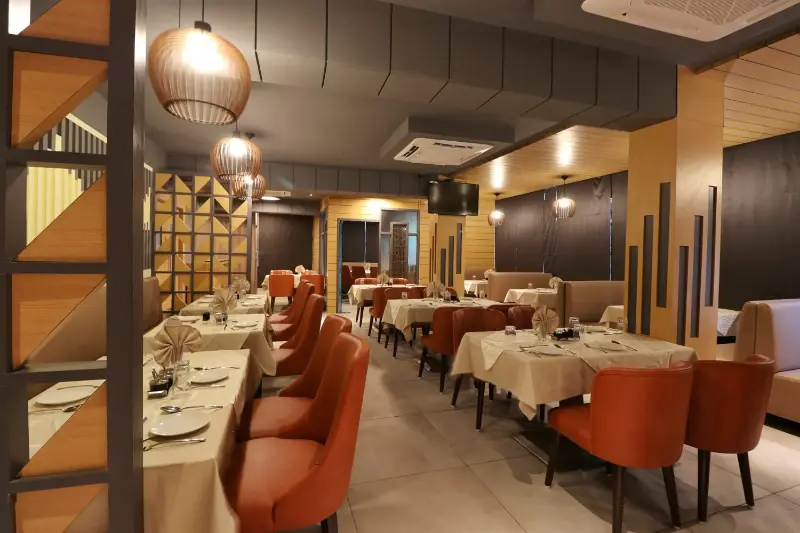
Nandhini Banquet Hall, JP Nagar — Premium Venue for Celebratory Occasions
Nandhini Banquet Hall in JP Nagar provides a premium atmosphere suited for engagements, receptions, milestone birthdays, and cultural ceremonies. Its interior design focuses on creating a warm ambience through balanced lighting, refined colour palettes, and acoustics that support speeches, music, and traditional performances. The hall’s aesthetic framework appeals to families seeking a refined backdrop that elevates the significance of their celebration.
Acoustic clarity plays an important role in ceremonies where performances, announcements, and rituals must be clearly heard. The hall’s sound-friendly structure minimizes echo and helps maintain vocal clarity even in high-attendance gatherings. Lighting arrangements further shape the guest experience. Soft illumination across the hall allows photographers to capture natural-looking images without depending solely on external light sources.
The JP Nagar venue benefits from its placement within a bustling residential and commercial zone. Guests from nearby neighbourhoods often appreciate shorter travel times and easier scheduling. The hall’s accessibility makes it an attractive choice for morning rituals, evening receptions, and family-centric events that require punctual attendance.
Event planners find the hall convenient due to its capacity, stage dimensions, and décor compatibility. Floral arrangements, thematic décor, mandap setups, and modern stage backdrops integrate smoothly with the hall’s layout. Many families prioritize halls with flexible décor potential, allowing them to match cultural preferences, colour themes, or ceremonial symbolism without facing spatial limitations.
When paired with Nandhini’s catering, the JP Nagar hall provides a cohesive event experience. The combination of refined ambience and Andhra cuisine’s sensory richness creates a memorable environment where guests enjoy both the visual and culinary aspects of the gathering. Service flow, staff coordination, and dish replenishment operate in sync with the hall’s structural features, supporting a smooth event timeline.
How Catering Quality Influences Event Outcomes
Catering quality influences every stage of an event, from guest arrival to post-meal satisfaction. The flavour consistency, temperature retention, and service rhythm determine whether guests feel relaxed and well cared for. Freshly prepared dishes that maintain their texture and aroma throughout the event contribute to positive impressions, particularly in large gatherings where delays can dilute the dining experience.
Temperature retention stands out as a key entity. Hot gravies, biryanis, and starters require insulated vessels, steam systems, and coordinated kitchen-to-buffet timing. Cold desserts and beverages rely on separate storage, controlled handling, and timely replenishment. These operational layers directly impact guest perception, especially when multiple batches of food are prepared across long event durations.
Staff behaviour shapes service quality. Polite communication, quick plate clearing, and attentive monitoring of buffet lines help maintain order during peak hours. Well-trained teams manage queue formation, assist elderly guests, and ensure that high-demand dishes are restocked before emptying. These interactions increase guest comfort and reduce interruptions during ceremonies or speeches.
Buffet management requires synchronized actions across several entities: plating, ladling, dish rotation, counter arrangement, and temperature control. The placement of counters influences movement, and the sequence of dishes affects how quickly guests complete their serving cycle. Catering operations must account for these factors to avoid congestion.
Guests often ask questions about hygiene, kitchen practices, and ingredient handling. Transparent procedures, clean workstations, periodic sanitization, and visible staff discipline build trust. Families and corporate teams prioritize providers who demonstrate consistent safety standards, especially during high-season events.
Reliability becomes a deciding factor when venues and caterers collaborate seamlessly. Predictable service speed, accurate dish quantities, balanced spice levels, and well-timed live stations influence how smoothly the event proceeds. Good catering supports the ceremonial mood, keeps guests engaged, and strengthens the host’s reputation long after the gathering concludes.
Event Planning With Nandhini: From Menu Design to Execution
Event planning with Nandhini follows a sequence that balances culinary preparation, hall logistics, and guest flow management. Menu decisions often begin with an assessment of the event’s purpose, timing, and audience profile. Morning ceremonies require lighter dishes and hot breakfast counters, while evening gatherings lean toward richer gravies, biryanis, and desserts. Each menu path relies on Andhra cuisine fundamentals, but adaptations ensure suitability for the hosting family or corporate group.
Portion ratios play an essential role in planning. Larger gatherings demand precise estimates for rice quantities, protein portions, dessert counts, and starter trays. Nandhini’s teams calculate these ratios based on crowd size, event duration, and dish popularity patterns observed across similar functions. Balanced ratios prevent shortages while limiting excess preparation, creating a smooth serving cycle that keeps guests moving steadily through buffet lines.
Special dietary preferences also influence the menu structure. Jain-friendly dishes, milder gravies for children, low-oil options for health-conscious guests, and region-specific requests are incorporated into the workflow. Andhra cuisine offers natural flexibility in this area due to its wide range of lentil-based dishes, vegetable curries, and customizable spice calibrations. Live counters, such as dosa or pesarattu stations, provide real-time adjustments that suit diverse preferences without disrupting the main kitchen schedule.
Seasonality affects ingredient availability and preparation styles. Certain leafy greens, chillies, and flavouring agents vary in intensity across seasons, influencing how chefs adjust their cooking methods. Ingredients such as gongura or seasonal pickles must be sourced thoughtfully to maintain authenticity and consistency. These decisions directly affect the sensory outcome of the event.
Execution begins with synchronized batches of cooking, careful scheduling of dish transport, and strategic buffet placement. Teams coordinate the timing of each batch to match peak footfall, ensuring guests encounter fresh, aromatic dishes rather than waiting for refills. Visual presentation, plating order, and counter arrangement complete the planning cycle, shaping the dining experience from the first serving to the final dessert.
Comparative Analysis of Catering Styles in Bangalore
Bangalore’s catering landscape features a wide spectrum of culinary styles, each aligning with different event expectations. Andhra catering remains recognizable for its spice-led compositions, tangy gravies, and bold flavour structures. In contrast, North Indian catering often emphasizes creamy textures, paneer variations, rotis, and tandoor preparations. Event hosts compare these styles based on crowd habits, nostalgia, ceremonial requirements, and food pairings.
Multi-cuisine catering serves as a middle path, offering diverse dishes without committing to a single regional identity. While versatile, this approach sometimes lacks depth in flavour authenticity. Andhra cuisine, due to its strong regional roots and distinct culinary signatures, tends to stand out when guests seek memorable, high-impact meals. Corporate groups appreciate multi-cuisine spreads for formal events, but weddings and milestone celebrations often favour regional richness that evokes cultural familiarity.
Pure-vegetarian catering also plays a prominent role in Bangalore. These menus highlight vegetable-based gravies, lentil dishes, and sweets created without eggs. They appeal to families observing traditional customs or religious practices during ceremonies. Andhra vegetarian meals provide an advantage here, thanks to their robust flavours, wide lentil-based diversity, and array of pickles and podis.
Banquet halls across Bangalore vary in design, capacity, lighting, and acoustics. Halls in North Bangalore often focus on luxury ambience, while South Bangalore venues emphasise accessibility and community-centric layouts. Event planners usually assess parking availability, stage dimensions, ventilation quality, and buffet positioning while comparing halls. Venues connected with an in-house catering team tend to reduce coordination gaps.
The interaction between catering style and banquet hall structure shapes event rhythm. Heavy gravies or elaborate biryanis require efficient kitchen access and sturdy service stations, while lighter dishes call for faster rotation cycles. Matching cuisine type with hall design ensures that service remains uninterrupted, preventing bottlenecks or uneven guest movement.
Frequently Asked Questions (FAQs)
1. What types of events can Nandhini’s banquet halls accommodate?
The halls support weddings, engagements, corporate gatherings, birthday celebrations, housewarmings, cultural ceremonies, and community events. Their flexible layouts suit both small and large guest counts.
2. Why is Andhra cuisine popular for large gatherings?
Andhra cuisine offers bold flavours, strong aroma profiles, and a wide selection of gravies, biryanis, lentil dishes, and pickles that appeal to diverse audiences. Its adaptability to spice levels makes it suitable for mixed-age groups.
3. Does Nandhini provide menu customization for dietary preferences?
Menus can include Jain dishes, low-spice gravies, children-friendly options, vegetarian spreads, and variations tailored to health-conscious guests. Andhra cuisine’s diversity supports broad customization.
4. How do Nandhini’s halls manage buffet crowd flow?
Both halls use structured layouts, strategic buffet placement, and wide pathways to maintain smooth movement. Coordinated batches, fast replenishment, and organized service staff help reduce wait times.
5. Are live counters available at Nandhini’s catering events?
Live counters such as dosa or pesarattu stations are often included. These counters allow guests to request custom seasoning and fresh-made dishes, adding interactive value to the dining experience.
Conclusion
Catering and banquet halls form the structural and sensory backbone of celebrations in Bangalore, shaping how guests move, dine, and connect during important moments. Nandhini’s Catering and its banquet halls in Singasandra and JP Nagar bring together regional culinary identity, dependable service rhythms, and functional venue design to support events ranging from intimate family ceremonies to large corporate gatherings. The combination of authentic Andhra flavours, efficient buffet coordination, thoughtful hall layouts, and consistent guest-focused service helps create events that feel memorable and well-orchestrated. These integrated strengths make Nandhini a dependable choice for hosts seeking a balance of cultural richness, flavour depth, and practical event convenience.