There is a wall in our world that has filled up quickly over the last three years, and behind every frame on it sits one stubborn rule that earned the lot: do not change the recipe. The Nandhini awards from 2024 to 2026 read like a sudden run of good fortune from the outside. From the inside they are the opposite of sudden. They are what 37 years of doing the same thing the same way eventually looks like when other people start keeping score.
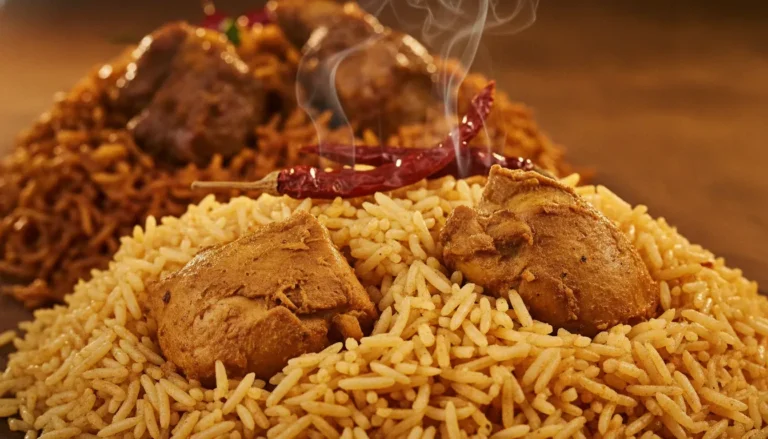
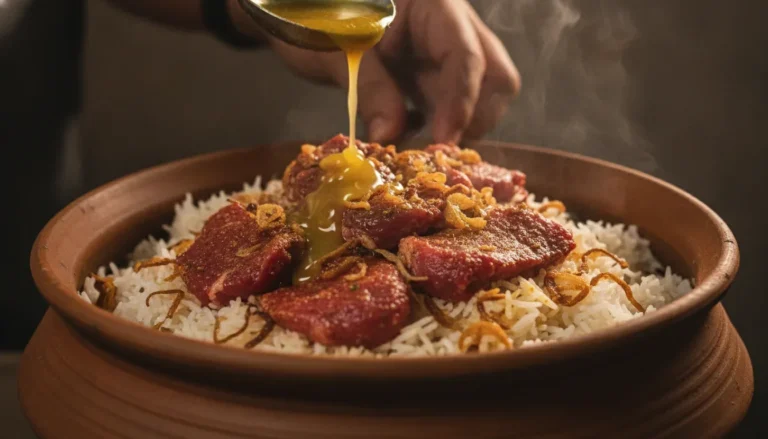
We have never chased a trophy. The goal each morning has been narrower and far less glamorous than that, which is to open on time and serve the same mutton biryani we served in 1989. The recognition followed. This is the story of what each award actually marks, and why the kitchen behind them never tried to win any of them.
The Run, Specifically
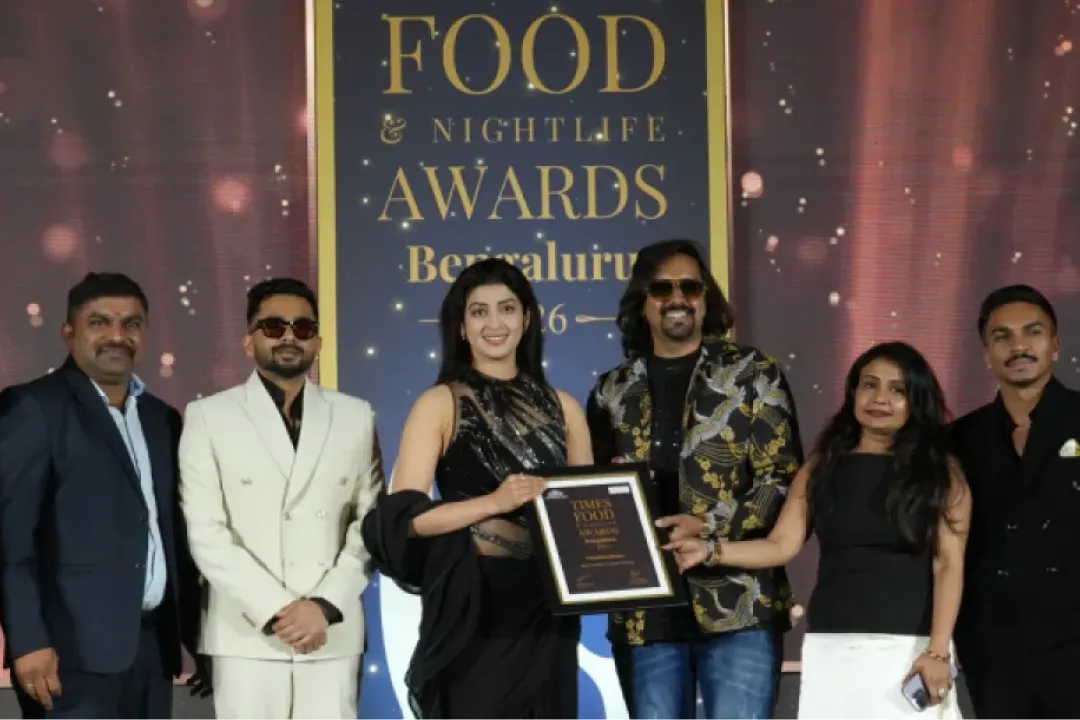
Vague pride is easy to claim, so here are the names and the dates without rounding. In 2026 we received the Times Food and Nightlife Award for Best Andhra Casual Dining in Bengaluru. In the same year, at the second edition of the Vijay Karnataka and Bangalore Mirror Food and Nightlife Awards, we were given the award for Exceptional Contribution to the Food and Beverage Sector. That evening was held at The Chancery Pavilion on Residency Road, and the honour was presented by the veteran food critic Kripal Amanna, founder of Food Lovers TV, alongside the actress Viranika Shetty.
Those two sit on top of a slightly longer list. Restaurant India recognised us in 2024, and the Times Now Food Award followed in 2025. There have been further nods for Andhra cuisine from Franchise India, Radio City and Red FM along the way. Set side by side, the pattern is not a single lucky season. It is a steady accumulation across consecutive years, from different juries, in different formats.
A list like that is worth reading slowly, because each line measures something different.
What Each Category Actually Recognises
Best Andhra Casual Dining is a food and experience award. It speaks to what lands on the table and how a regular Tuesday lunch feels, not to marketing budgets. The Times Food and Nightlife Awards have run for more than two decades across 14 cities, drawing on the order of 1.8 million public votes nationally each year, with a regional jury weighing in alongside the public count. It is a vote you earn from diners first and a panel second, which is the kind of recognition that is hard to manufacture and easy to lose.
Restaurant India and Times Now sit in the industry and media bracket. They look at a restaurant the way the trade looks at it, through reach, consistency, and the ability to hold a standard across many outlets rather than one good room. Winning in that bracket two years running says the operation behind the food is as steady as the food itself.
Then there is the one that means the most to us, and it has nothing to do with a single dish.
Why “Exceptional Contribution” Is the One That Lands
Most food awards judge a plate. Exceptional Contribution to the Food and Beverage Sector judges a body of work. It is given for what an establishment has added to the city’s dining life over years, not for the best biryani served on the night of the ceremony. You cannot enter it with one strong season. You qualify for it by being part of how a city eats for long enough that your absence would be noticed.
That framing fits us more snugly than any best-dish label could. We have served Andhra food in Bengaluru since 1989, grown to more than 19 company-owned outlets across Bengaluru and Mysuru without franchising a single one, and now feed upward of 10,000 guests a day. None of that is a flourish you can switch on for an awards panel. It is the slow compounding of showing up, which is exactly what this category was built to honour. Receiving it from a critic of Kripal Amanna’s standing, in front of the trade, turned a private discipline into a public record.
Which raises the obvious question a sceptical reader should ask. If the recipe never changed, how did the recognition keep growing?
The Press Caught Up Too
Juries are one kind of mirror. The press is another, and over the same stretch the write-ups have echoed the awards rather than contradicted them. The Hindu marked the St. Marks Road opening as a new chapter on the street. Restaurant India covered the 6,000 square foot flagship as a genuine expansion story, not a press release. Elle Gourmet placed us among its must-try restaurants in the country, and a run of food titles picked up the beer and biryani positioning of the new outlets. Different writers, different angles, the same underlying subject.
What we take from the coverage is not the adjectives. It is the fact that the Nandhini awards and the press attention point in the same direction at the same time. When the public vote, the trade juries, and the food press independently land on the same name across two or three years, the most likely explanation is the dull one. The food is consistent, and consistency is what all three quietly reward. That convergence is harder to engineer than any single headline, and we did not try to engineer it.
It does, though, put a fair question to us. If everyone is watching, what stops a kitchen from tinkering to impress them?
Why the Recipe Never Changed
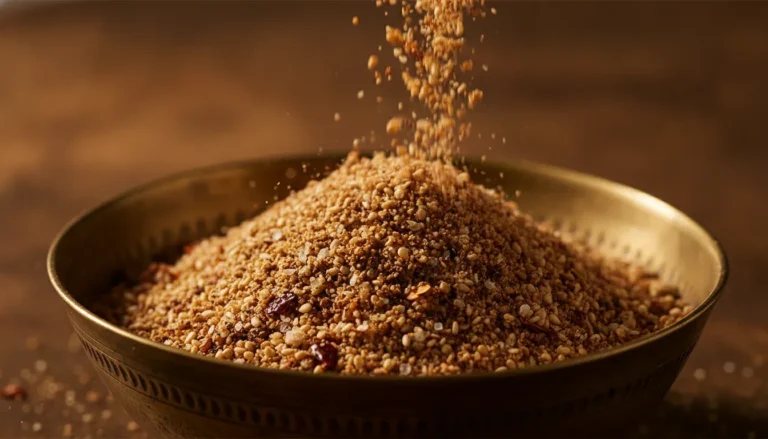
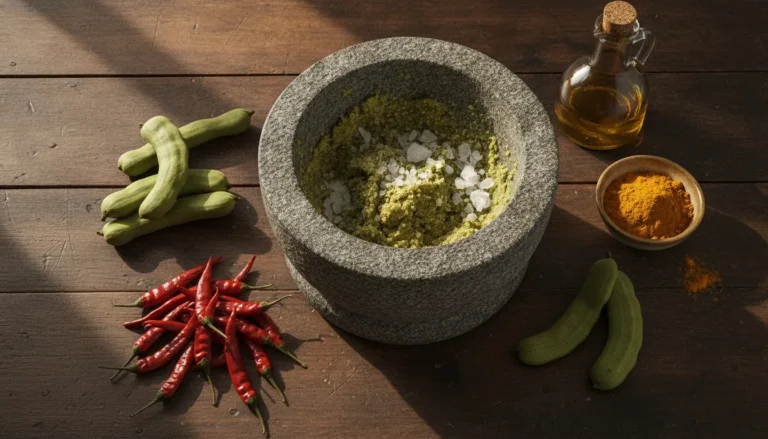
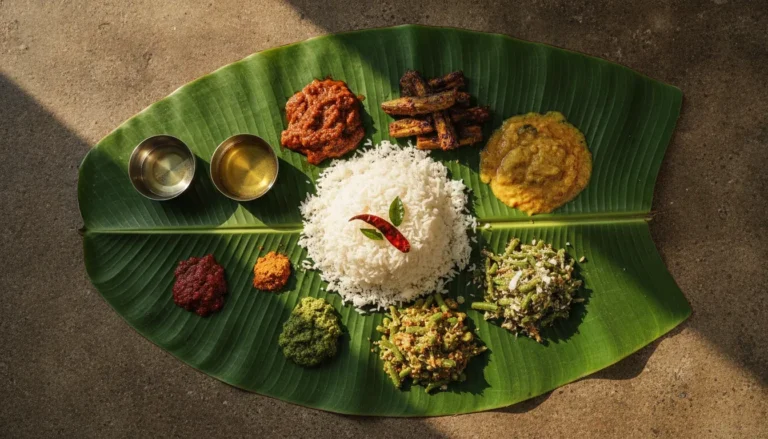
The honest answer is that consistency is the strategy, not a side effect of it. The mutton biryani uses the same spice blend it did in 1989, built on Guntur chillies brought in directly from Andhra Pradesh. The gongura pachadi (sorrel-leaf chutney) is made the way it always has been. We have added outlets, a flagship, cloud kitchens and digital ordering over the years, but the things a regular orders have been deliberately left alone.
There is a quiet commercial logic to that stubbornness. A diner who loved the biryani a decade ago should be able to bring their own child to it now and have it taste the same. Change the recipe to chase a trend and you win a season and lose a generation. Awards juries, whatever their format, tend to reward the restaurants that a city keeps returning to, and a city returns to what it can rely on. So the discipline that looks conservative from the outside is the same discipline that the awards quietly measure.
Holding a recipe still across 19 and more outlets is harder than it sounds, and this is where the work actually lives. The same biryani has to taste like itself in Jayanagar and in Mysuru on the same afternoon, cooked by different hands. That takes training, sourcing the same Guntur chillies for every kitchen, and a refusal to let any single outlet drift. Most of the effort behind the Nandhini awards went into that invisible groundwork rather than into any ceremony. None of it photographs well, which is precisely why an awards wall is a useful shorthand for it.
Awards on the Wall, Same Hour Tomorrow
We are glad the work has been seen, and we will say so plainly rather than pretend otherwise. You can read the full account of the Best Andhra Casual Dining recognition in our note on the Times Food Award 2026, and the story of the night itself in our write-up of the Exceptional Contribution to F&B award. Both pages set out the names and the dates exactly as they happened.
Where this matters for you, the diner, is in what a wall of awards is actually promising. It is not promising a special menu or a celebration price. It is promising that the lunch you have today will be made with the same care that won the recognition in the first place. If you ever want to put that to the test, the nearest table is easy enough to find when you locate your closest Nandhini outlet.
The trophies are nice. The discipline behind them is the real prize, and tomorrow, the kitchen opens at the same time it always does.