Introduction
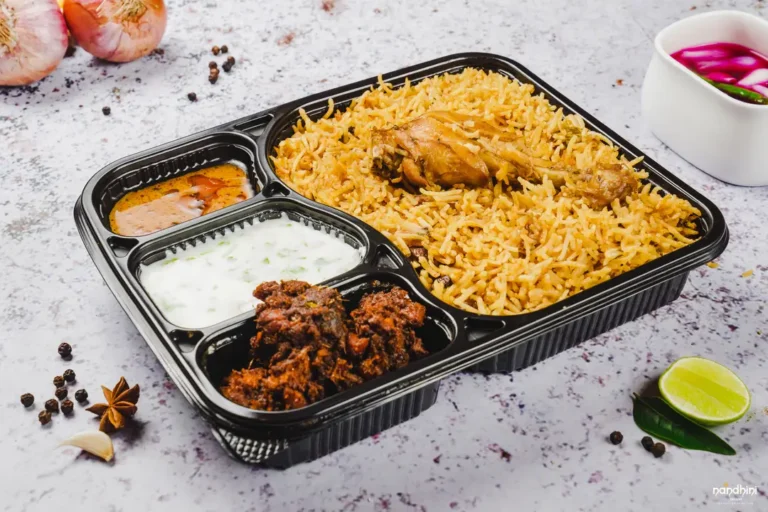
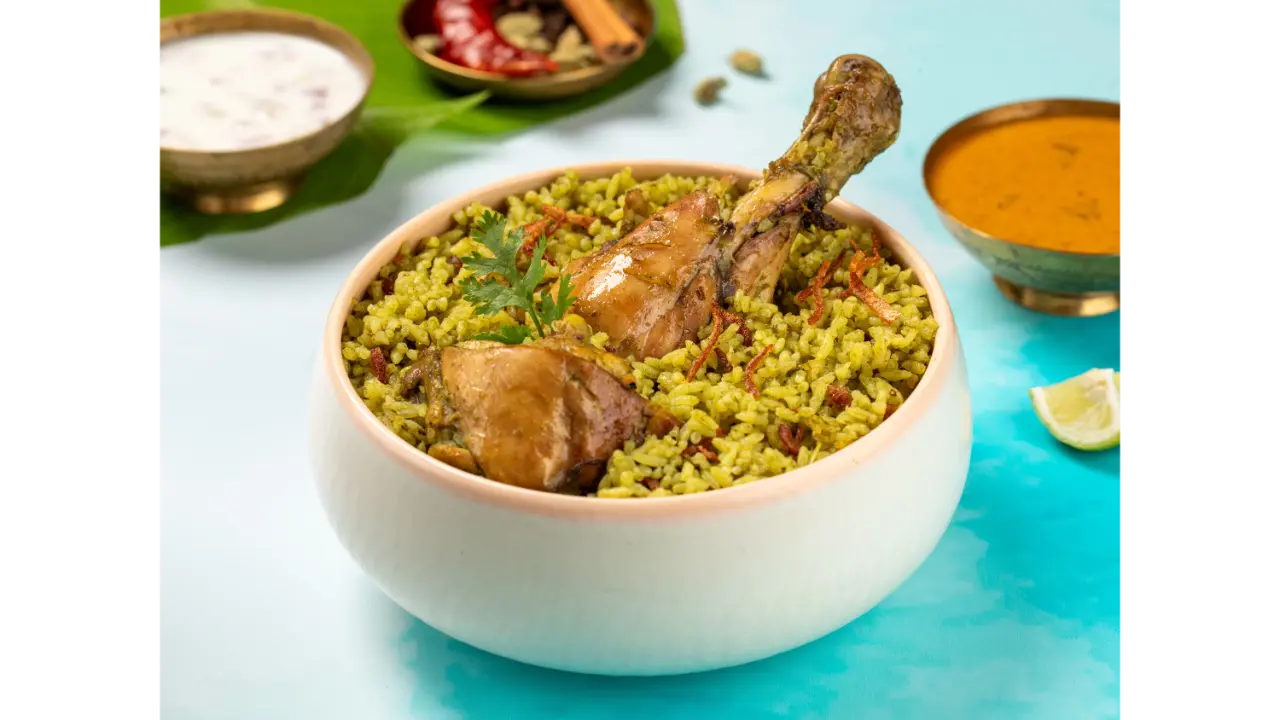
Bangalore’s biryani culture reflects a city where tradition, migration, and fast-changing dining habits intersect. The divide between non-veg biryani and veg biryani has created one of the city’s most persistent food debates, visible in restaurant queues, workplace lunch conversations, and social media arguments where claims about authenticity, flavour strength, value for money, and dietary inclusivity frequently collide. The debate thrives because both versions carry distinct identities shaped by ingredients, cooking techniques, and deeper cultural associations that influence how diners judge what sits inside their bowl.
Non-veg biryani in Bangalore retains a reputation built on long-established cooking patterns that rely on marinated chicken or mutton releasing fat, juices, and aroma into layered rice during the dum process. Veg biryani, in contrast, holds its ground by catering to a significant vegetarian population and expanding through innovations like mushroom biryani and paneer biryani, especially in Andhra-style restaurants where chefs balance spice-forward profiles with vegetable textures. This contrast forms a natural battleground, not because one side lacks merit, but because both interpret the biryani template differently.
The city’s restaurant landscape intensifies the comparison. Military hotels reinforce the heritage of meat-centric biryani, while modern chains such as Nandhini Deluxe build inclusive menus where veg and non-veg offerings are presented with equal intent, allowing diverse groups to dine together without compromise. The scale of this contrast gives Bangalore a unique context rarely seen in cities with predominately meat-based biryani traditions.
The following sections open the discussion through definitions, ingredient structures, flavour logic, and associated cultural signals, enabling diners to understand why this rivalry persists and why both sides remain firmly rooted in Bangalore’s evolving biryani identity.
Key Takeaways / TLDR
• Non-veg biryani in Bangalore draws strength from marination, meat juices, and spice layering that creates a richer profile.
• Veg biryani gains relevance from inclusivity, variation, and its role in a largely vegetarian-friendly dining culture.
• Bangalore’s market intensifies the comparison due to military hotels, Andhra cuisine influence, and modern multi-category restaurants.
• The debate persists because both versions fulfill different culinary expectations, not because either lacks legitimacy.
Table of Contents
What Is Biryani? Understanding the Core Dish
Biryani functions as a structured rice dish defined by layering, controlled heat, and the interplay between spices, fats, and primary ingredients. Its roots trace to Persian layered rice traditions that evolved within South Asian courts, eventually merging with regional ingredients such as basmati rice, ghee, whole spices, and either meat or vegetables. This foundation sets the rules of comparison between non-veg and veg biryani, anchoring both in a shared culinary framework.
Key structural components include:
• Long-grain rice partly cooked before layering
• A primary ingredient that influences aroma and moisture
• A dum process trapping steam within a sealed pot
• Whole spices providing aromatic lift
• A calibrated fat source, typically ghee or oil
These features distinguish biryani from pulao, where ingredients cook together without defined layers. The distinction becomes critical in debates around veg biryani, because some diners argue that vegetable-based versions slip closer to pulao if layering, spice density, or dum control is insufficient. Yet restaurants that follow authentic dum practices with vegetables or paneer firmly retain biryani identity.
Ingredient pairing plays a central role. In non-veg versions, marinated meat interacts with heat to create concentrated juices that flow downward into the rice. In veg biryani, moisture control becomes more delicate because vegetables release water differently, requiring precise spice blends and fat management. Paneer and mushroom variants often serve as structural solutions, adding firmness and richer absorption.

Non-Veg Biryani: Heritage, Taste, and Value in Bangalore
Non-veg biryani in Bangalore holds a legacy built on long-running culinary habits shaped by Andhra influences, military hotel traditions, and the city’s preference for bold, spice-forward meals. Chicken and mutton versions dominate menus, with each protein offering distinct sensory markers. Chicken biryani tends to produce lighter, faster-absorbing juices, while mutton biryani introduces heavier aromas and deeper richness due to slower cooking and higher fat content. These variations affect how rice grains hold flavour, how spice notes develop, and how diners interpret value.
Core components commonly seen in Bangalore include:
• Marination using curd, ginger-garlic paste, chilli, turmeric, and garam masala
• Layering rice beneath and above the marinated meat
• Ghee or meat fat used as the dominant lipid
• Dum sealing with dough or tight lids to trap steam
In many kitchens, the dum stage becomes the defining factor. Heat gradually breaks down connective tissue in meat, releasing juices that seep through the rice. This natural broth establishes the dish’s signature aroma and texture, creating a perception of fullness not replicated easily in vegetable-based versions.
Price and value play a crucial role in the city’s comparison culture. Non-veg biryani tends to sit at higher price points due to meat cost, longer cooking times, and higher demand. Yet many diners consider it better value because stronger flavour concentration and higher protein content create a sense of meal completeness. Restaurants known for consistent non-veg biryani, including longstanding chains such as Nandhini Deluxe, often attract patrons seeking dependable spice levels and familiar Andhra-style depth.
Texture expectations also shape loyalty. Meat weight reinforces layering, preventing rice from collapsing during steam cooking. This stability produces a textural contrast between firm rice on top and richly seasoned grains closer to the meat, which many diners view as the hallmark of authentic biryani. These qualities collectively reinforce non-veg biryani’s long-standing appeal within Bangalore’s competitive dining landscape.

Veg Biryani: Rising Star, Inclusion, and Innovation
Veg biryani in Bangalore has gained significant ground due to the city’s sizeable vegetarian population and the steady evolution of restaurant menus that combine Andhra-style spice intensity with vegetables, paneer, and mushrooms. The dish frequently appears in discussions where diners evaluate whether it reaches the depth of non-veg versions or creates its own identity through flavour balance and inclusive dining. Its rise signals a shift in how biryani is interpreted across demographic groups, especially in urban spaces where mixed-diet households seek shared meal options.
The structure of veg biryani relies on controlled moisture management. Vegetables such as beans, carrots, cauliflower, and potatoes release water at different rates. Chefs compensate by adjusting fat ratios, spice density, and pre-sautéing steps to keep the final texture firm rather than mushy. Paneer biryani and mushroom biryani emerged as functional variants because both ingredients offer stronger absorption capacity and greater structural stability during dum cooking. These variants often act as bridges for diners accustomed to richer biryani profiles.
Common elements influencing veg biryani quality include:
• Selection of vegetables based on firmness and moisture output
• Spice-forward layering that compensates for the absence of meat juices
• Ghee or oil used to reinforce aroma and grain separation
• Optional paneer or mushroom for deeper flavour retention
Restaurants in Bangalore increasingly offer veg biryani in bucket and family-pack formats, reflecting growing group demand. These packs allow vegetarian diners equal representation when ordering with non-vegetarian companions, strengthening the dish’s cultural presence. Pricing typically positions veg biryani below meat-based versions, though certain mushroom and paneer variants sit closer to mid-range categories due to ingredient cost.
Taste perception differs from non-veg versions in predictable ways: veg biryani leans on spice-led aroma rather than meat richness, creating a cleaner finish that appeals to diners seeking lighter yet flavour-dense meals. The combination of texture variation, aromatic top notes, and inclusive appeal has elevated veg biryani from a side option to a central component of Bangalore’s biryani landscape.
Brand Spotlight: Nandhini Deluxe’s Dual Offerings in Bangalore
Nandhini Deluxe occupies a distinct position in Bangalore’s biryani ecosystem by maintaining strong Andhra culinary roots while catering equally to vegetarian and non-vegetarian diners. The brand’s approach to biryani reflects a commitment to spice-driven cooking, consistent dum technique, and menu breadth that makes it a preferred stop for groups with mixed dietary choices. Its offerings demonstrate how a restaurant chain can preserve heritage without limiting its audience.
The brand’s history within the city created expectations around robust flavours and reliable portioning. This foundation allows its biryani menu to incorporate both chicken and mutton options alongside vegetable, paneer, and mushroom biryanis. Andhra-style seasoning, characterised by higher chilli intensity and aromatic ghee, ties these variations together, giving both categories a shared identity even when ingredients differ.
A structural comparison of Nandhini’s offerings illustrates the balance:
| Feature | Veg Biryani Range | Non-Veg Biryani Range |
| Core identity | Vegetable, paneer, mushroom-based | Chicken, mutton-based |
| Spice profile | Andhra spice mix with vegetable adaptation | Andhra spice mix with meat marination |
| Preferred formats | Buckets, family packs, single serves | Buckets, bowls, family packs |
| Moisture source | Controlled vegetable and spice release | Meat juices and ghee |
Bucket biryani formats represent a notable strength for the brand. These larger portions allow groups to share dishes conveniently, reducing the tension common in mixed groups where the choice between veg and non-veg often becomes a point of debate. Nandhini’s consistent preparation style ensures both versions maintain clarity of flavour, preventing veg biryani from being overshadowed by meat-based variants.
The chain’s citywide presence strengthens its influence in the veg vs non-veg discussion. Reliable spice calibration, predictable texture, and menu diversity position it as a reference point when diners compare biryani types across Bangalore. This dual-offering model contributes to inclusive dining patterns and plays a significant role in shaping how the city evaluates both versions.
The Consumer Debate: Social Sentiment and Dietary Lifestyles
The comparison between non-veg and veg biryani often intensifies within social environments where taste preferences, cultural associations, and dietary norms collide. Online discussions typically highlight the perception that non-veg biryani represents the “original” form due to its reliance on meat-based layering and fat-driven depth. These conversations frequently draw from long-standing biryani traditions across South India, where meat has historically anchored celebratory meals. Such associations give non-veg biryani symbolic weight beyond flavour alone.
Vegetarian diners offer contrasting viewpoints. Many emphasise that veg biryani follows authentic dum principles when prepared with proper layering, spice infusion, and controlled moisture. Others bring up the recurring disagreement surrounding whether some restaurant versions lean closer to pulao if insufficient layering or spice density is used. This distinction becomes a central theme in public forums where diners evaluate legitimacy through structural precision rather than ingredient lists alone.
Patterns commonly observed in social sentiment include:
• Non-veg supporters highlighting meat aroma, richness, and value perception
• Veg supporters prioritising inclusivity, lighter texture, and spice-led complexity
• Mixed groups seeking restaurants where both options maintain distinct identity
• Repeated comparisons of pulao-like versions versus fully layered dum variants
Dietary lifestyle shifts further shape this debate. Urban Bangalore sees steady growth in vegetarian and flexitarian choices influenced by workplace habits, health-conscious patterns, and cultural practices. These trends elevate veg biryani from a secondary option to a mainstream choice in many households. At the same time, nostalgia-driven loyalty to non-veg biryani persists among long-time residents who associate its aroma and texture with earlier dining experiences in military hotels and Andhra restaurants.
The contrast between these groups keeps the topic visible in public conversations. Both sides attach meaning to ingredients and preparation, turning biryani selection into an expression of personal identity, cultural memory, and dining values.
Health, Nutrition, and Dietary Considerations
Health-focused diners in Bangalore frequently compare veg and non-veg biryani through nutritional density, calorie range, and digestive comfort. These comparisons emerge in workplaces, gyms, and social groups where individuals evaluate how biryani fits into daily or weekly eating patterns. The contrast becomes more visible when considering protein levels, fat sources, spice intensity, and how each version influences satiety.
Estimated nutritional tendencies often follow these patterns:
• Non-veg biryani usually carries higher protein due to chicken or mutton.
• Fat content rises with meat marination, ghee, and the natural juices released during cooking.
• Veg biryani produces a lighter digestion profile, especially when vegetables dominate the ingredient mix.
• Paneer and mushroom variants increase protein but retain lower fat levels compared to meat-heavy versions.
Urban dietary trends influence these choices. Bangalore’s rising interest in balanced eating patterns, intermittent fasting, and plant-forward diets contributes to the appeal of veg biryani as an option that fits a wider range of lifestyles. Many diners choose it when seeking aromatic meals that do not interfere with regular routines. Certain groups prefer paneer or mushroom biryani to achieve a middle ground between indulgence and moderation.
Non-veg biryani remains attractive for diners seeking substantial meals, especially during weekend outings or family gatherings. The perceived completeness of meat-based protein and richness aligns with celebratory dining behaviours. Meanwhile, veg biryani supports daily or multi-meal flexibility, functioning well for individuals who avoid heavy post-meal sluggishness.
Both versions maintain relevance because their nutritional structures connect to different expectations. Taste intensity, protein demand, and digestive comfort all influence how diners position each type within their personal dietary rhythms.
Preparation Mechanics: What Gives Non-Veg the “Premium Edge” and How Veg Measures Up
The preparation of biryani determines much of its final character, and Bangalore’s kitchens rely on established steps that highlight key differences between non-veg and veg versions. These distinctions reveal why diners often describe non-veg biryani as richer, while veg biryani thrives through spice engineering and ingredient adaptation.
In non-veg biryani, the marination stage sets the foundation. Meat mixes with curd, spices, and aromatics, creating chemical changes that tenderise fibres and build flavour reservoirs. As heat reaches the pot during dum cooking, these mixtures break down into concentrated juices that permeate the rice. This process creates deep savoury notes and a layered aroma pattern strongly associated with authenticity in many South Indian households.
Typical steps seen in non-veg biryani preparation:
- Marination of chicken or mutton for extended periods.
- Partial cooking of rice with whole spices or aromatic herbs.
- Layering meat at the base and rice above it.
- Sealing the pot for steady steam circulation.
- Slow heat application to extract broth-like juices.
Veg biryani requires an alternate strategy. Since vegetables release water unpredictably and lack natural fat reservoirs, chefs must maintain strict control over sautéing time, spice ratios, and the point at which vegetables enter the layering stage. Pre-cooked vegetables risk becoming soft, while undercooked ones disrupt texture. Paneer and mushrooms became popular additions because they retain shape while absorbing spices and ghee, creating a richer mouthfeel that narrows the gap with meat-based variants.
Key adaptive techniques in veg biryani:
• Pre-sautéing vegetables to stabilise moisture.
• Using aromatic fats to compensate for missing meat juices.
• Increasing spice density for stronger top-layer aroma.
• Introducing paneer or mushroom to strengthen structural integrity.
The contrast between the two versions emerges from these mechanical principles. Non-veg biryani gains depth through natural broth extraction, while veg biryani achieves complexity through deliberate engineering. Both approaches require precision, but each produces a different sensory identity that informs the wider comparison across Bangalore.
Market Landscape in Bangalore: Biryani Culture, Restaurant Ecosystem, and Trends
Bangalore’s biryani market reflects layered culinary influences shaped by migration, workplace-driven dining habits, and neighbourhood preferences. The city hosts military hotels known for robust non-veg biryani, Andhra-style chains with spice-heavy profiles, and modern restaurants where veg and non-veg categories receive equal attention. This diversity fuels the veg vs non-veg comparison because diners encounter multiple interpretations within a single geographic region.
Non-veg biryani has historically dominated local dining due to the legacy of military hotels and established eateries that specialise in chicken and mutton dum preparations. These venues helped define the city’s expectations for aroma, richness, and spice boldness. Mutton biryani in particular carries nostalgic value, linked to slow cooking techniques and strong association with celebratory meals.
Veg biryani gained space through urban lifestyle shifts and the growth of multi-category restaurants. Chains adapted their menus to accommodate office-goers, students, and families seeking inclusive options. Paneer and mushroom biryani variants contributed to this shift by offering vegetarian diners richer flavours that align with the city’s affinity for spice-forward cooking.
Trends shaping the current market include:
• Bucket and family-pack biryani formats supporting group dining.
• Delivery-focused menus where veg and non-veg biryani appear in parallel categories.
• Increased acceptance of veg biryani as a standalone choice rather than a secondary option.
• Expansion of Andhra and Hyderabadi styles into neighbourhoods traditionally dominated by local Karnataka cuisine.
Nandhini Deluxe plays a significant role within this ecosystem by offering both veg and non-veg variants across multiple outlets. Its emphasis on Andhra preparation techniques reinforces a familiar flavour profile that appeals to a broad audience. The presence of both categories in equal measure supports mixed groups, which has become a defining trait of Bangalore dining.
These market dynamics shape how diners compare the two versions. Non-veg biryani remains a traditional anchor, while veg biryani continues expanding through practicality, inclusivity, and adaptation to modern eating habits.
The Verdict: Which Biryani Wins in Bangalore and When?
The comparison between non-veg and veg biryani gains clarity when examined through situational dining priorities rather than a single universal standard. Bangalore’s food culture supports varied expectations, and each version aligns with different motivations, occasions, and sensory preferences. Evaluating the two through a structured lens reveals how each gains advantage depending on the context.
Several predictable factors influence decision patterns:
• Taste intensity and aroma concentration
• Dietary adherence and comfort levels
• Budget range for solo or group dining
• Occasion type, such as routine meals versus celebratory outings
• Preference for lighter or heavier textures
Scenario-based distinctions help explain dining behaviour:
- Solo diners seeking strong flavour concentration frequently choose non-veg biryani due to its broth-driven richness and deeper spice absorption. Chicken biryani appeals to those wanting a lighter variant, while mutton biryani remains the preferred choice for extended indulgence.
- Mixed groups containing vegetarians and non-vegetarians often gravitate toward restaurants with reliable offerings in both categories. Veg biryani becomes a practical anchor because it accommodates dietary boundaries without reducing flavour presence. Bucket formats serve as a balancing mechanism, allowing groups to order parallel versions without compromising unity.
- Budget-conscious or weekday diners may choose veg biryani because of its mid-range pricing and smoother digestion cycle. Variants with paneer or mushroom provide more heft without reaching the cost or heaviness of meat-based versions.
- Families with children or varied spice tolerances often split choices, selecting veg biryani for milder comfort and non-veg biryani for those seeking stronger aromas. This pattern appears frequently in delivery platforms and dine-in settings.
Within this framework, restaurants like Nandhini Deluxe occupy a central role by offering consistent Andhra-style seasoning across both categories. This consistency allows diners to rely on predictable profiles regardless of ingredient choice. The “winner” shifts based on taste intent, group composition, and desired richness, making both versions strong contenders in Bangalore’s dynamic dining environment.
FAQs
1. What makes non-veg biryani taste richer than veg biryani in Bangalore restaurants?
Non-veg biryani gains depth from marinated chicken or mutton releasing natural juices during dum cooking. These juices mix with rice and spices to create a layered savoury profile. Bangalore’s military hotels and Andhra-style kitchens amplify this richness through ghee, whole spices, and slow steam processes that intensify aroma and mouthfeel.
2. Is veg biryani considered authentic biryani or closer to pulao?
Veg biryani is considered authentic when it follows structured layering, partially cooked rice stages, and sealed dum preparation. Pulao differs because ingredients typically cook together without layered assembly. Many Bangalore restaurants, including Andhra-style chains, prepare veg biryani using proper dum methods, preserving authenticity.
3. Which biryani is healthier for regular consumption: veg or non-veg?
Veg biryani generally fits daily eating patterns more comfortably due to lighter fat content and smoother digestion. Paneer and mushroom variants offer additional protein without the heaviness of meat broth. Non-veg biryani suits occasional or high-satiety meals because of its higher calorie density and richer fat profile.
4. Why do mixed groups in Bangalore prefer ordering from places that offer both veg and non-veg biryani?
Mixed dining groups rely on restaurants that maintain quality across both versions to avoid compromising individual dietary choices. Outlets offering parallel veg and non-veg biryani, such as Nandhini Deluxe, support inclusive ordering, consistent spice profiles, and convenient bucket formats that simplify group sharing.
5. How does paneer or mushroom biryani help bridge the gap between veg and non-veg biryani?
Paneer and mushroom provide structure and absorption capacity that mimic the density and flavour retention seen in meat-based variants. Their ability to hold spice and ghee creates a fuller texture compared to vegetable-only biryanis, helping vegetarian diners experience richer profiles without relying on meat.
Conclusion
The comparison between non-veg and veg biryani in Bangalore highlights a city shaped by diverse cultural influences, evolving dietary choices, and strong expectations for flavour integrity. Each version retains a distinct appeal based on ingredient behaviour, aroma development, preparation mechanics, and the emotional associations diners build over repeated experiences.
Non-veg biryani holds strength through natural broth extraction, marinated depth, and the sensory impact of chicken or mutton interacting with layered rice. It satisfies diners seeking richer meals, celebratory dining, and stronger aromatic signatures. Its presence in military hotels and Andhra-style establishments reinforces its role as a historical anchor in the city’s culinary identity.
Veg biryani succeeds through inclusivity, adaptability, and a growing recognition of plant-forward dining patterns. Vegetable, paneer, and mushroom adaptations allow it to deliver structured aroma and spice-led flavour without the density of meat-based versions. This flexibility makes veg biryani suitable for a wider range of occasions, from everyday meals to mixed-group dining where diverse preferences converge.