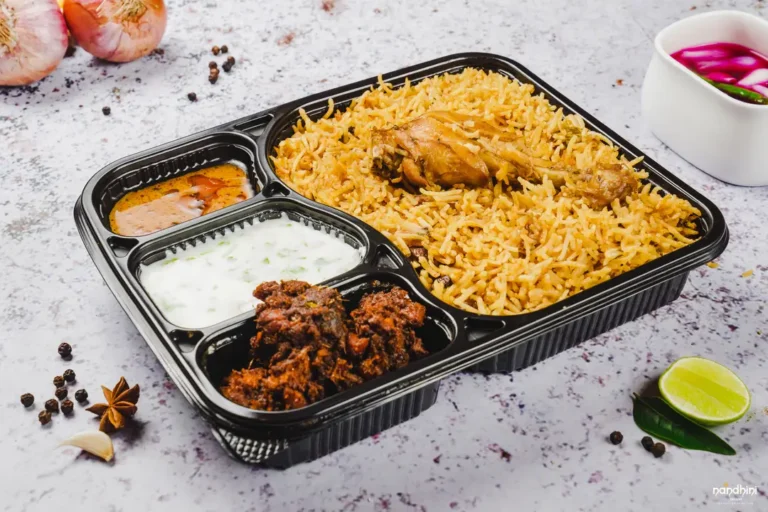
“Unlimited” sounds like the obvious winner, right?
If someone tells you, “You can eat as much as you want,” your brain instantly goes: That’s value.
But here’s the real Bangalore dining truth:
Unlimited Andhra meals are amazing value for some situations, and a complete waste of money for others.
And à la carte (ordering rice + a few specific items) can either be a smart, controlled meal… or a sneaky bill explosion if you order like you’re rebuilding a thali one item at a time.
So instead of giving you a generic opinion, this guide will help you decide in 60 seconds at Nandhini Deluxe:
- When unlimited Andhra meals/thali gives the best value
- When à la carte is smarter
- How dine-in vs delivery changes the math
- Which option suits office lunch, families, first-timers, and spice-sensitive eaters
- Simple ordering scripts so you don’t overthink at the counter or on the app
No drama. No fake promises. Just a practical value framework.
Table of Contents
The 60-second chooser (save this)
Use this quick decision rule first.
Choose UNLIMITED Andhra meals when:
- You’re dining in and have time
- You want to taste variety (not just one curry)
- You’re very hungry and will eat multiple rice rounds
- You enjoy the thali rhythm (pappu → curry → fry → rasam → curd)
- You’re with a mixed group and want everyone to build their own bites
- You want a full “experience” meal, not just food
Choose À LA CARTE when:
- You’re in a hurry (office lunch, quick dinner)
- You want strict spice control and fewer surprises
- You only want one hero item (one curry or fry)
- You’re ordering delivery (refills don’t exist at home)
- You’re a light eater and rarely take seconds
- You’re ordering for picky eaters or kids who won’t touch half the sides
If you’re still unsure, here’s the simplest tie-breaker:
If you’ll eat only one plate, go à la carte.
If you’ll happily take seconds (or thirds), go unlimited.
Now let’s break down the “why” so you stop guessing and start ordering smart.
What “unlimited Andhra meals” really means (and what you’re paying for)
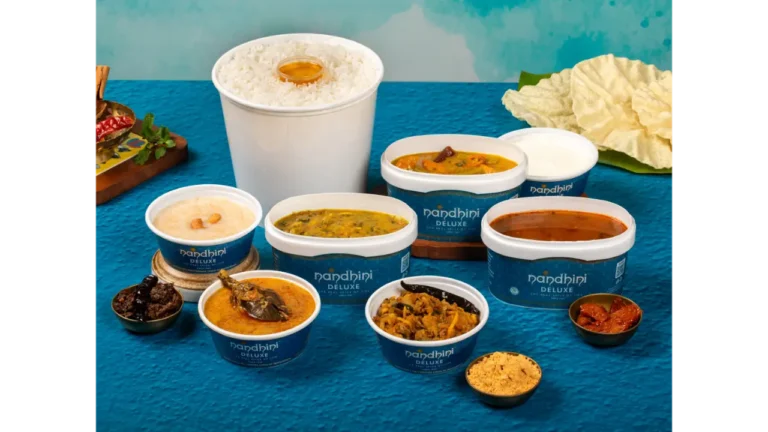
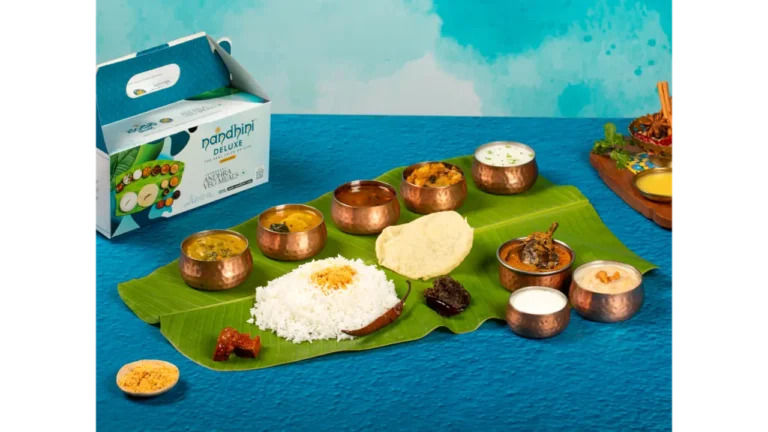
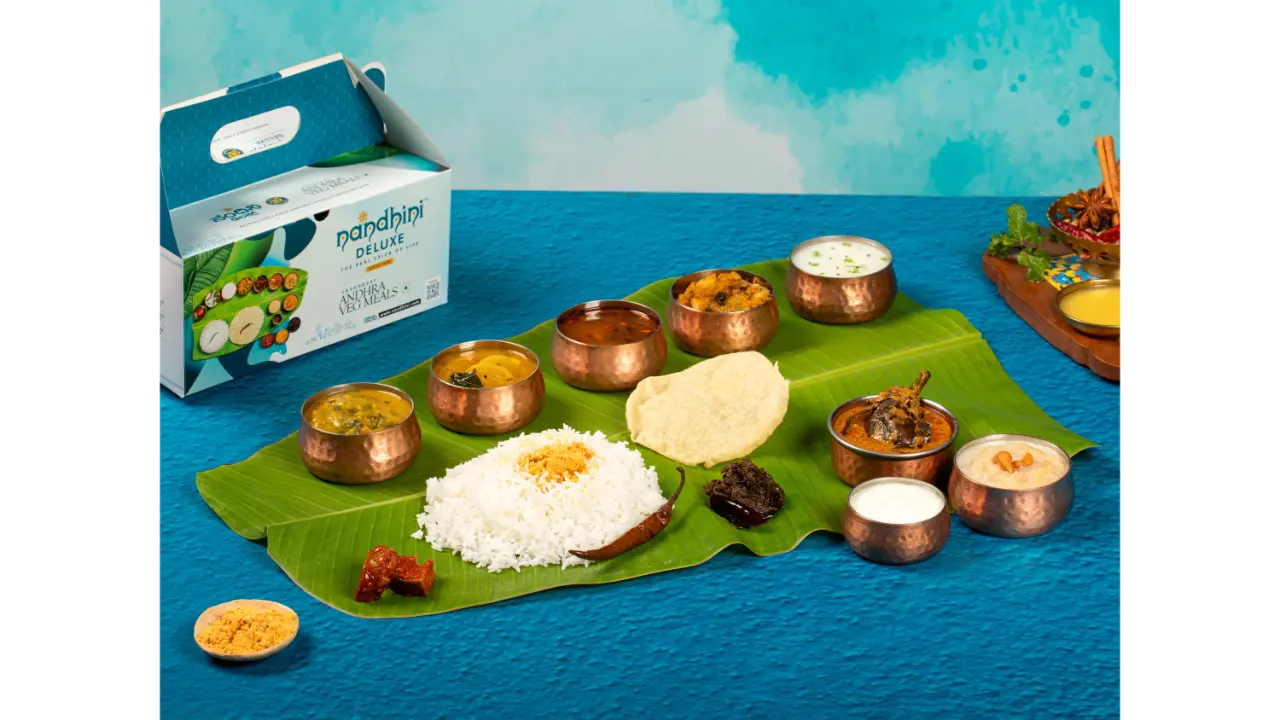
Unlimited isn’t just about eating more rice. You’re paying for a complete thali ecosystem.
A typical Andhra meals/thali experience is designed around:
- rice as the base
- multiple side elements (comfort + tang + spice)
- a meal “sequence” that changes how you experience spice and flavor
- refills that let you build your own rhythm
In a good unlimited meal, value comes from two things:
- Variety (you taste more flavors without ordering each separately)
- Refill flexibility (you can top up what you liked most)
It’s not just “more food.” It’s “more options.”
But that only becomes value if you actually use it.
What “à la carte” means in an Andhra meal context
À la carte is the opposite mindset:
- You’re not buying the whole ecosystem
- You’re buying precision
Instead of taking whatever comes in the thali spread, you choose:
- rice (or a rice-based base)
- 1–3 specific items (curry, fry, curd, rasam-style comfort, etc.)
You’re paying for:
- control
- speed
- portion predictability
- spice predictability (to some extent)
À la carte can be great value when you know what you like and don’t want to pay for variety you won’t eat.
But it can also become expensive when you start adding items to “make it feel like a thali.”
That’s the trap. We’ll fix it later.
The Value Framework: a simple way to choose every time
Instead of asking “Which is cheaper?”, ask:
Which option matches my appetite, time, and purpose today?
Here’s the framework.
Step 1: Choose your appetite category
Be honest. Most value mistakes come from pretending you’ll eat more than you will.
Light eater
- You often stop after one plate
- You don’t take refills unless you’re very hungry
- Too much variety becomes waste
Normal eater
- You’ll eat one full plate and maybe take seconds if it’s good
- You enjoy a complete meal experience
Hungry eater
- You skipped a meal, or it’s weekend hunger
- You’re likely to take seconds, sometimes thirds
- Unlimited can become excellent value here
Step 2: Choose your dining mode
This changes the math immediately.
Dine-in
- Unlimited has real meaning because refills exist
- Variety is easier to explore
- The meal sequence is natural
Delivery
- Unlimited doesn’t function the same way
- Refills don’t exist
- You’re basically paying for a “set meal” experience
Step 3: Choose your priority
Pick one top priority:
- Variety and experience
- Speed and convenience
- Spice control
- Budget control
- Group harmony (mixed preferences)
Now apply the decision rule:
The simple decision rule
- If you want variety + multiple rounds, unlimited wins.
- If you want one clear meal with control, à la carte wins.
Keep reading for the “when” scenarios that make this painfully obvious.
When Unlimited Andhra Meals gives better value (and why)
Unlimited is best value when you actually use what you paid for:
- variety
- refills
- the thali rhythm
Here are the situations where unlimited wins.
1) When you want the full Andhra experience
If you’re not just eating because you’re hungry, but because you want the Andhra meals experience, unlimited is the obvious choice.
It’s designed as a journey:
- comfort → spice → reset → tang → finish
À la carte can taste great, but it rarely recreates the complete thali feel unless you over-order.
2) When you’re very hungry and will eat multiple rounds
Unlimited becomes high value when:
- you know you’ll take seconds
- you enjoy rice-based meals
- you’ll actually refill what you like
Hungry day? Unlimited can feel like a smart spend because you’re not paying “per item.”
3) When you enjoy tasting variety
Some people don’t want one curry. They want the full spread:
- a comfort element
- a tang element
- a spicy element
- something crispy
- a cooling reset
Unlimited gives you that without choosing 8 separate items.
4) When you’re dining with a mixed group
Unlimited thali-style meals are great for groups because:
- everyone can build their own bites
- spice lovers can lean into spice items
- spice-sensitive people can lean into comfort and curd
When you order à la carte for a group, you often end up doing complicated negotiations:
“Which curry will everyone eat?”
Unlimited reduces that friction.
5) When you’re having a relaxed lunch or dinner
Unlimited is best when you can sit, talk, and eat slowly. Thali meals are meant to be paced. If you’re rushing, the value drops because you won’t explore the spread.
6) When you love sides more than mains
Some people love the sides:
- the podi moments
- the pickle moments
- the curd reset
- the rasam finish
- the variety of flavors
Unlimited is value for this personality type because it’s not one-dimensional.
7) When first-timers want to learn what they like
Unlimited can be a smart “discovery meal” for first-timers because you get to sample multiple tastes. But only if the first-timer is not spice-sensitive and has time to pace the plate.
If the first-timer is spice-sensitive, à la carte may be the safer start.
8) When you’re intentionally planning a “proper meal”
Unlimited is best when it’s not just “food,” but “a meal moment.”
Weekend lunch. Family gathering. Guests. You get the idea.
The hidden costs people miss (this is where money gets wasted)
Most people think value is only about price. It’s not.
Value is about:
- what you actually eat
- what you enjoy
- what you waste
- how satisfied you feel
Here are the hidden costs.
Hidden cost 1: Unlimited becomes waste if you eat only one round
If you only eat:
- one plate
- a few bites of sides
then the “unlimited” part didn’t matter.
You paid for refills and variety you didn’t use.
Hidden cost 2: À la carte becomes expensive when you try to rebuild a thali
This is the classic trap:
You order rice + one curry.
Then you think, “I need one fry.”
Then, “I also need rasam.”
Then, “Let’s add curd.”
Then, “Maybe one more side.”
Suddenly your à la carte order is basically a thali but priced as multiple items.
Fix: Keep à la carte intentionally simple:
- rice + one hero
- one comfort support
Stop there.
Hidden cost 3: Delivery changes appetite and perception
At home, you might:
- eat slower
- get distracted
- feel fuller sooner
- find spice harder to handle (because you don’t have the dine-in rhythm)
So delivery often favors controlled, fewer-item orders.
Hidden cost 4: Time is also cost
Unlimited is better when you have time. If you don’t, you won’t enjoy it fully and the value drops even if the food is good.
The “middle path” you should know: not everything is unlimited or à la carte
Some places offer options like:
- mini meals
- set meals
- smaller thalis
- combos
These are useful when:
- you want some thali feeling
- but you don’t want the full unlimited experience
- and you don’t want the complexity of à la carte either
If you often feel stuck between the two extremes, look for “smaller set” options. They can be great value for weekday lunches.
What’s better value for office lunch?
Office lunch has different rules:
- limited time
- you need energy, not heaviness
- you don’t want spice fatigue
- you want predictable portions
Best value office lunch choice (most of the time)
- À la carte or a smaller set/mini meal
Because it’s:
- faster
- more controlled
- easier to eat without food coma
When unlimited can work for office lunch
- You have a long lunch break
- You are very hungry
- You love thali variety and eat in rounds
- You won’t overdo spice
If office lunch is about productivity, controlled meals often win value.
What’s better value for families?
Families are mixed:
- different appetites
- different spice tolerance
- kids and elders may not enjoy extreme spice
Unlimited value for families
Unlimited can work well when:
- dine-in
- the group enjoys variety
- people can build their own plates
- you can pace slowly
À la carte value for families
À la carte can be better when:
- kids are picky
- you want one reliable curry everyone eats
- you’re ordering delivery
- you want to avoid too many side items that go untouched
Family rule:
If you’re dining in with time, unlimited can feel like a celebration meal.
If you’re ordering at home with kids, controlled à la carte can be calmer and less wasteful.
What’s better value for first-timers?
First-timers usually fall into two groups:
Group A: Curious and comfortable with spice
Unlimited can be value as a discovery experience, because you sample variety and understand what you like.
Group B: Spice-sensitive or anxious about heat
À la carte is better value because:
- fewer surprises
- fewer spicy elements stacking
- easier pacing
- less regret
First-timer rule:
If you’re nervous about spice, start à la carte or a smaller set.
If you’re excited to explore and can pace, go unlimited.
What’s better value for delivery?
Let’s be direct:
Unlimited value drops in delivery
Because the “unlimited” feature (refills) isn’t real at home.
Unless the restaurant offers some form of refill delivery (rare), you’re basically buying a set meal.
À la carte often wins for delivery value
Because:
- you choose fewer items
- you reduce waste
- you control spice and portion
- you can order exactly what you want
Delivery rule:
If you’re ordering home alone or as a couple, à la carte is usually smarter.
If you’re ordering for a large group and everyone wants variety, larger set meals or group combos can still be good.
Ordering scripts (use these to avoid confusion)
Unlimited dine-in script (value-maximizing)
“Unlimited meals/thali, medium spice if possible. Please start with a balanced round. I’ll request refills as needed.”
This script does two things:
- it sets spice expectation
- it signals you want pacing, not chaos
À la carte script (value-protecting)
“I want rice + one curry + one comfort side (curd or rasam-style comfort). Medium spice.”
This protects you from the trap of ordering six items.
Spice-sensitive script
“I’m spice-sensitive. Please suggest a milder option. I want rice + one mild curry and curd support.”
Mixed group script (best for families)
“We need one comfort lane and one spicy lane. Keep one cooling support item.”
This makes group dining smoother.
A simple comparison table (in words)
Unlimited is best when:
- dine-in
- high appetite
- you love variety
- you enjoy the thali rhythm
- you have time
- group dining
À la carte is best when:
- delivery
- light eater
- quick meal
- spice-sensitive
- picky eaters
- budget control
That’s the decision in one glance.
FAQs: Unlimited Andhra Meals vs À La Carte
1) Is unlimited Andhra meals worth it in Bangalore?
It’s worth it when you dine in, enjoy variety, and will take refills. If you eat only one plate, à la carte is often better value.
2) Is unlimited always cheaper than à la carte?
Not always. If you only eat one round, unlimited can be poor value. If you order too many à la carte items to rebuild a thali, à la carte can become more expensive.
3) Which is better for office lunch?
À la carte or smaller set meals are usually better because they’re faster, controlled, and less likely to cause a food coma.
4) Which is better for spice-sensitive diners?
À la carte is usually better because it reduces spice stacking and gives you control over what you’re eating.
5) Which is better for delivery?
À la carte often wins because refills don’t exist at home, and fewer items reduce waste.
6) What’s the best value choice for first-timers?
If you’re spice-comfortable and curious, unlimited can be a great discovery meal. If you’re spice-sensitive, start à la carte or a smaller set.
Conclusion: “Unlimited” is value only when you use it
Unlimited Andhra meals are a brilliant concept when you treat them like they’re meant to be treated: a paced, variety-rich meal where you refill what you love.
But unlimited isn’t automatically better value.
If you’re rushing, spice-sensitive, a light eater, or ordering delivery, à la carte often gives you better value because it’s controlled and predictable.
So the next time you’re deciding, don’t ask:
“Which is better?”
Ask:
“What kind of meal am I having today?”
Then choose:
- Unlimited for experience, variety, and appetite
- À la carte for control, speed, and delivery-friendly value
That’s how you stop guessing and start ordering like someone who actually knows what they’re doing.