Mutton biryani is not something you order on autopilot. It costs more than chicken. It takes longer to cook. The flavour is heavier, richer, more demanding of your attention. But if you’ve ever cracked open a bone and watched the marrow dissolve into the rice underneath, you know the wait is part of the deal.
This guide covers what makes Andhra-style mutton biryani different from every other version you’ll find in Bangalore the Guntur chilli-forward spice, the bone-in goat meat, the dum that turns it from a rice dish into something with actual weight. And where to order it when the craving hits.
We’ve been making this biryani at Nandhini since 1989. The method hasn’t changed. Here’s why it hasn’t needed to.
What Makes Andhra Mutton Biryani Different
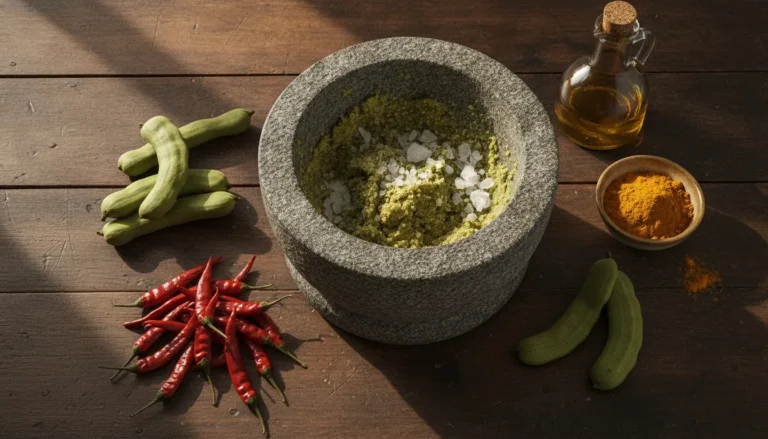
Most people assume all biryani south of Hyderabad tastes the same. It doesn’t. Andhra-style mutton biryani uses fewer whole spices than Hyderabadi biryani but hits harder. The heat comes from green chilli paste and Guntur Sannam chillies — not from a complex layering of cardamom, clove, and mace.
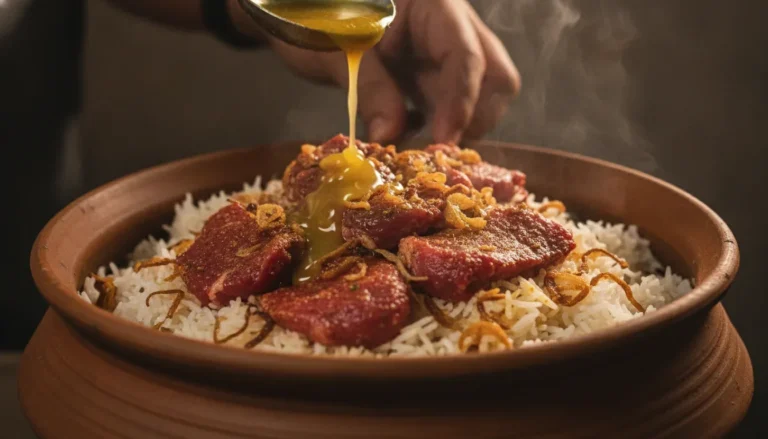
The cooking method matters too. Hyderabadi biryani relies on the kacchi technique: raw marinated meat layered under rice, slow-cooked together. Andhra biryani uses the pakki method mutton is pre-cooked in its own masala, then mixed into the rice before the final dum. The result is meat that’s already saturated with spice by the time it meets the grain.
There’s also the question of fat. Hyderabadi biryani traditionally uses ghee for richness and aroma. Andhra biryani often leans on a combination of oil and minimal ghee, letting the mutton’s own fat do the work. The spice doesn’t hide behind butter. You taste the chilli, the garlic, the meat. Everything is more direct.
Fewer spices, more punch. That’s the Andhra approach. If you want the full picture of how regional styles compare, our Nellore vs Hyderabadi biryani styles breakdown covers the detail.
For a broader look at Andhra biryani as a category, the Andhra biryani guide is a good starting point.

Why Bone-In Mutton Biryani Is Worth the Wait
Chicken biryani takes roughly 30–40 minutes to cook. Mutton biryani needs 60–90 minutes, sometimes longer. That gap exists because goat meat on the bone requires time for the connective tissue to break down, for the marrow to render, and for the fat to distribute through the rice.
The marrow is the difference. As it softens, it releases a gelatinous richness that coats the surrounding rice that’s why the grains at the bottom of a mutton biryani pot taste different from those at the top. The broth pools, the fat carries the masala, and you get depth that boneless meat simply cannot deliver.
There’s also the texture. Bone-in pieces give you something to work with the pull of meat away from the bone, the resistance, the variation between the tender inner meat and the slightly firmer edges where the masala has formed a crust. A biryani made with boneless cubes is uniform. That’s not necessarily a compliment.
Boneless mutton biryani exists, and it’s faster. But it’s a trade-off. You lose the marrow, the textural contrast, and the slow-release flavour that makes the dish worth its price. For a closer look at that comparison, see our piece on boneless vs bone-in biryani.
The Spice Profile: How Mutton Fat Handles Chilli Differently
There’s a reason mutton biryani feels warmer than chicken biryani even when both use the same chilli base. Mutton fat is a superior spice carrier. It distributes capsaicin more evenly across the dish, so the heat builds slowly and sits longer on the palate instead of arriving all at once and disappearing.
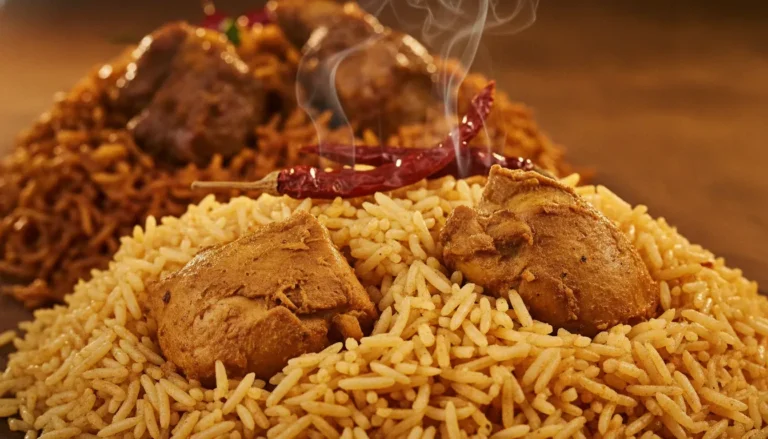
Guntur Sannam chillies rated 30,000–50,000 on the Scoville scale are the engine behind Andhra biryani’s heat. Paired with mutton fat, the effect is a deep, slow-building warmth rather than the sharp, immediate bite you get from chicken biryani. It’s not that one is spicier than the other. It’s that the heat arrives differently.
This is the part that catches first-timers off guard. The first few bites seem manageable. By the fourth or fifth spoonful, the warmth has compounded. The capsaicin, held in the fat, releases gradually as you eat. Chicken biryani peaks early and fades. Mutton biryani builds a heat that stays with you through the last grain of rice — and for a while after.
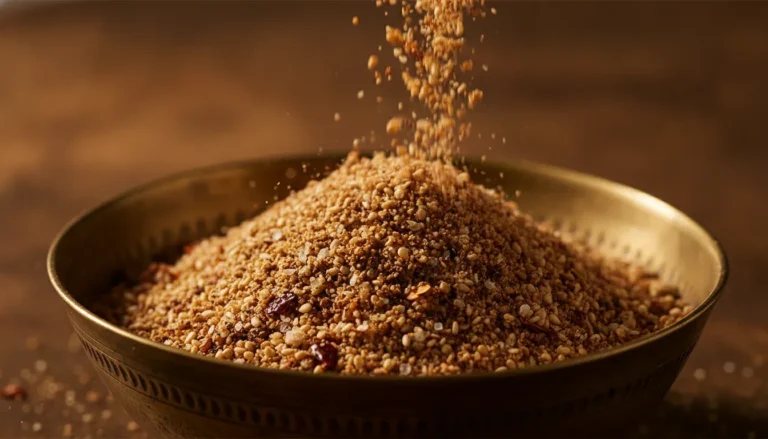
If you want to understand what goes into the spice mix, the spices that make mutton biryani special guide covers each ingredient and its role.
Where to Order Mutton Biryani in Bangalore
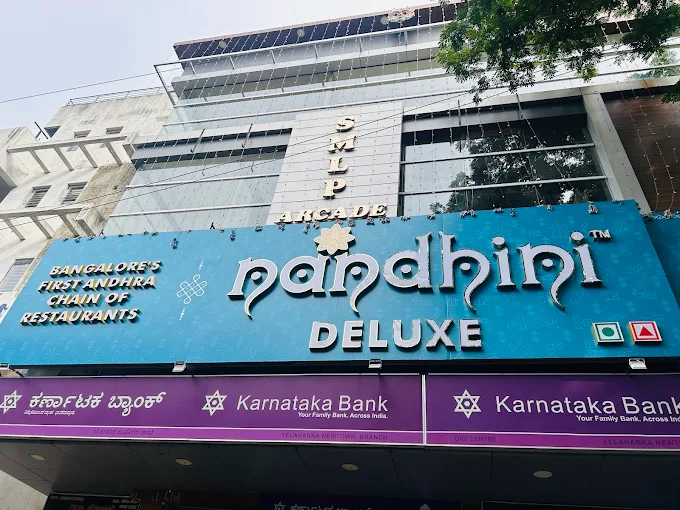
Nandhini operates 15 outlets across Bangalore. If you’re in Koramangala, Indiranagar, JP Nagar, RT Nagar, or near St Marks Road, there’s one within delivery range. Mutton biryani is available at all locations, but if you’re dining in, lunch service is when it’s freshest the early batches come straight from the dum.
A practical note on timing: mutton biryani sells out faster than chicken at most outlets, especially on weekends. If you’re planning a Saturday lunch, arriving by 12:30 pm is a safe bet. For dinner, the second dum batch usually hits around 7 pm.
Delivery is available through Swiggy and Zomato, and you can also order directly. Family packs are available for groups check the Nandhini menu for current options and pricing. For large orders, the family pack biryani page has the details.
For the broader biryani scene in the city, the best biryani in Bangalore guide covers all styles and areas.
Not in Bangalore? Nandhini also has outlets in Mysuru. If you’re searching for mutton biryani there, the same Andhra-style preparation is available across our Mysuru locations.
Mutton Biryani vs Chicken Biryani: A Quick Comparison
This is the question that comes up most. Here’s the honest breakdown:
| Factor | Mutton Biryani | Chicken Biryani |
| Cost | Higher — goat meat costs more | Lower — more affordable for solo meals |
| Cooking time | 60–90 minutes (bone-in) | 30–40 minutes |
| Flavour depth | Rich, marrow-infused, complex | Lighter, more accessible |
| Spice experience | Slow-building warmth from fat | Sharper, more immediate heat |
| Protein | Higher collagen, more iron | Leaner, easier to digest |
| Best for | Dine-in, weekend meals, sharing | Quick delivery, solo meals |
| Delivery consistency | Best eaten fresh — quality drops over time | Holds up better during delivery |
If you’re ordering for delivery on a weeknight, chicken biryani is the pragmatic choice. If you’re sitting down for a meal you’ll remember, mutton is the one. We’d always recommend mutton for dine-in at Nandhini the bone-in experience doesn’t survive a 40-minute delivery window as well.
What to Order Alongside Mutton Biryani
Mutton biryani is rich. The right sides balance it.
Boondi raita is non-negotiable. It needs to be cold — not room temperature. The temperature contrast against the hot rice is half the experience. Brinjal curry (gutti vankaya) or dalcha are the traditional Andhra pairings, adding a tangy counterweight to the richness of the meat. The brinjal curry works because of its slight bitterness it resets your palate between bites of the heavier biryani.
Start with a Sholay Kebab if you’re dining in. To drink, buttermilk or Guntoor Cola cuts through the spice. For a fuller guide to pairings, see the best sides that work with mutton biryani too. And if you’re curious about what pairs well with a drink, the beer and biryani pairing guide is worth a read.
Family ordering tip: get one mutton biryani and one chicken biryani for the table. Everyone gets to compare, and the sides work for both.
Leftovers? Our guide on how to reheat mutton biryani leftovers covers how to bring it back without losing the texture.
Regional Mutton Biryani Styles in Bangalore
Bangalore serves mutton biryani across several regional traditions. Knowing the differences helps you order with confidence.
Dindigul-style biryani uses seeraga samba rice — a short-grain variety that absorbs more masala than basmati. It’s drier, tangier, and distinctly Tamil in character. The mutton pieces tend to be smaller, and the overall effect is punchier per mouthful because the rice-to-masala ratio is higher.
Nalli gosht biryani features shank pieces with large bones, where the marrow yield is even higher than standard cuts. This is the version for people who consider the marrow the main event and the rice the accompaniment. Ambur biryani, by contrast, is milder — a yoghurt-based gravy on the side does most of the flavouring, and the rice is more fragrant than fiery.
Then there’s gongura mutton biryani our variant that uses sorrel leaves (gongura) in the masala. The tartness of the gongura cuts the richness of the mutton fat, and it’s a combination you won’t find outside an Andhra kitchen.
Among these, Andhra-style is the boldest. Fewer spices, more heat, bigger flavour. For the right rice to pair with each style, see our guide to the best rice for mutton biryani.
Frequently Asked Questions
Which mutton biryani is best in Bangalore?
Nandhini Deluxe is widely regarded for Andhra-style mutton biryani in Bangalore. We use bone-in goat meat slow-cooked with Guntur chilli and basmati rice, available across 15 outlets.
What is Andhra style mutton biryani?
Andhra style mutton biryani uses fewer whole spices than Hyderabadi biryani but relies heavily on green chilli paste, Guntur chilli, and garlic for intense heat. The mutton is pre-cooked in masala and mixed into the rice before the final dum.
Is mutton biryani better than chicken biryani?
Mutton biryani is richer and more flavourful due to the bone marrow and fat that infuse into the rice during slow cooking. It takes longer to prepare and costs more, but the depth of flavour is noticeably greater.
Can I order mutton biryani delivery in Bangalore?
Yes. Nandhini Deluxe offers mutton biryani delivery across Bangalore via Swiggy, Zomato, and direct ordering from all 15 outlets.
Why is Andhra mutton biryani spicier than Hyderabadi?
Andhra biryani uses green chilli paste and Guntur chilli powder as core ingredients rather than balanced aromatic spices. The result is direct, intense heat rather than the layered fragrance of Hyderabadi biryani.
The Bold Choice
Mutton biryani is not the convenient option. It’s not the fastest, not the cheapest, and not the easiest to get right. But when it’s done properly bone-in goat meat, Guntur chillies, slow dum, rice that carries the marrow’s weight nothing else comes close.
Andhra-style is the version that doesn’t hold back. Fewer spices, more directness, a warmth that builds and stays. We’ve been cooking it this way at Nandhini for 37 years. The method hasn’t changed because the result hasn’t needed to.
Fifteen outlets across Bangalore. Mysuru too. Order for dine-in if you can — that’s where bone-in mutton biryani is at its best. But however you get it, the biryani’s ready when you are.