Introduction
Bangalore’s dining culture has long balanced regional identity with a curiosity for new experiences, and the meeting point of TOIT’s craft-beer culture with Nandhini’s Andhra cuisine illustrates how this balance now extends into food pairing. The city’s appetite for spice, variety and social dining sets the stage for a fusion that feels rooted in tradition while remaining aligned with urban preferences. The result is a setting where the intensity of Andhra flavours can find an unexpected companion in craft beer poured straight from the tap.
This connection stems from the growing interest in combining regional cuisine with modern beverage programs. Andhra meals carry heat, tang and layered textures shaped by long-standing culinary methods, and these elements intersect naturally with the bitterness, malt depth or gentle sweetness found in different beer styles. Craft beer, particularly in Bangalore, has matured into a cultural anchor for young professionals, travellers and residents who seek taste-driven experiences. When these elements coexist in a contemporary Andhra dining space such as Nandhini’s new outlets, including the expansive St. Marks Road location, a new category of fusion emerges: one driven by complementary sensations rather than hybrid recipes.
The experience brings together the warmth of Andhra hospitality, the communal rhythm of shared meals and the familiarity of a city known for its breweries. Visitors encounter a format that encourages exploration through dishes, sampling through pints and social interactions shaped by ambience and crowd energy. The combination reflects an evolving food identity that acknowledges heritage while participating in Bangalore’s modern dining movement. As a result, this fusion appeals to a broad demographic who appreciate the comfort of spice paired with the refreshment of a well-crafted beer.
The following key takeaways outline the primary insights shaping this fusion and guide the reader into the next sections.
Key Takeaways / TLDR
• Andhra cuisine’s spice intensity interacts directly with beer carbonation, bitterness and temperature.
• Bangalore’s brewpub culture creates a natural environment for regional food pairings.
• Nandhini’s modern dining spaces support a versatile experience that suits locals and tourists.
• Craft beer offers characteristics that match the structure of Andhra meals, biryanis and spicy starters.
Table of Contents
Understanding the Ingredients
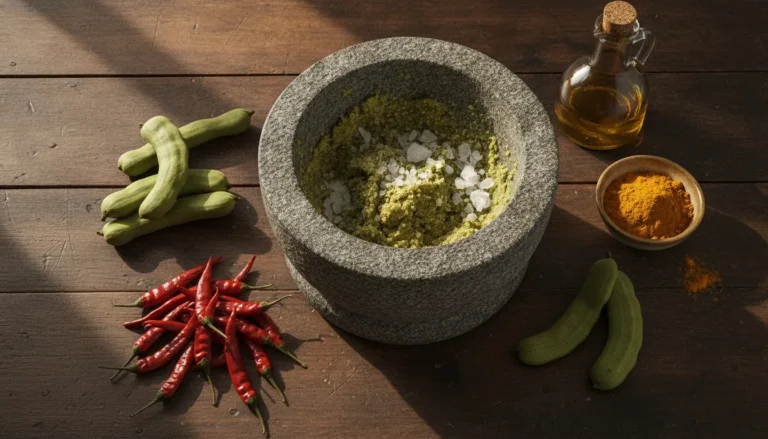
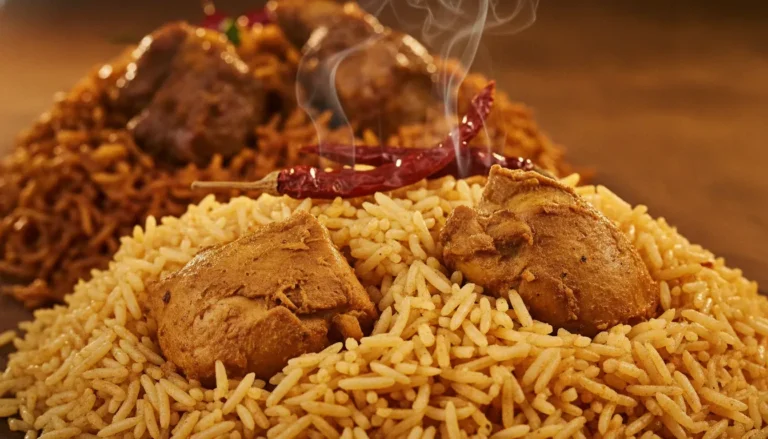
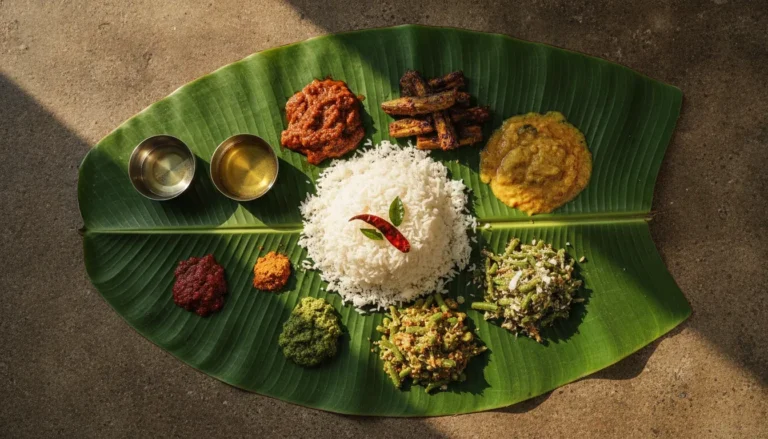
Andhra cuisine carries a distinct identity shaped by heat-forward cooking, regional masalas and a preference for layered, aromatic dishes. This culinary tradition draws from coastal, Rayalaseema and central Andhra influences, which create variations in spice levels and ingredient choices. Core components such as sun-dried red chillies, tamarind, ghee, curry leaves and pickles contribute to recognisable sensory experiences. Signature items range from Andhra meals accompanied by multiple vegetable and lentil preparations to biryani styles built around strong aromas and sharp flavours. Items like crispy Chilli Chicken, tamarind-leaning gravies and prawn dishes from coastal regions illustrate the cuisine’s breadth and intensity.
Key attributes of Andhra cuisine
• Heat derived from specific chilli varieties
• Sourness from tamarind or buttermilk
• Richness supplied by ghee or slow-cooked gravies
• Herbaceous notes from curry leaves and green chillies
• Accompaniments such as avakaya, gongura pickle and spiced powders
Craft beer culture in Bangalore developed through early microbreweries that introduced wheat beers, ales and stouts to a city eager for new social experiences. Establishments such as TOIT helped define this scene through consistent styles, approachable flavours and a welcoming pub environment. Wheat beers bring citrus and clove notes with a refreshing profile. Blond ales maintain a balanced malt and hop presence. Stouts contribute roasted flavours, while IPAs highlight pronounced bitterness. Each style interacts differently with spice, fat content and aromatic ingredients in food.
Attributes of Bangalore craft beer culture
• Emphasis on flavour diversity through seasonal and core beers
• Preference for casual yet energetic environments
• Strong adoption among urban professionals and tourists
• Tap-based service that maintains freshness and consistency
The intersection of these two worlds creates a sensory framework grounded in contrast and complementarity. High spice levels respond to carbonation and cool serving temperatures, making beer a functional palate refresher. Meanwhile, malt sweetness or citrus notes from wheat beers align with the aromatic depth of biryanis and starters. This combination forms the foundational logic behind the fusion explored in later sections.
Why Andhra Spice + Beer Makes Sense
The chemistry of spice and beer explains much of the appeal behind this fusion. Capsaicin, the compound responsible for heat, triggers receptors that intensify with repeated exposure. Cold liquids help reduce perceived heat, and beer’s carbonation provides an additional cleansing effect that resets the palate. Light wheat beers soften spice through gentle sweetness and a refreshing body. Balanced ales pair well with the richer layers in biryanis, allowing the spices to remain prominent without overwhelming diners. IPAs can introduce a contrasting bitterness that appeals to those seeking sharper sensations, though they may increase heat perception for certain dishes. These interactions form a predictable set of pairings that align with the structural elements of Andhra food.
The cultural alignment is equally significant. Bangalore’s dining landscape embraces experimentation, and craft beer holds a central role in the city’s social routines. Andhra cuisine, particularly in spaces like Nandhini’s St. Marks Road outlet, often enters the dining occasion through group meals, family gatherings and long conversations over food. Beer naturally complements this environment by supporting extended social engagement. The pairing expresses a fusion of regional heritage with an urban dining habit that many residents and visitors recognise as part of Bangalore’s character.
A demographic fit also strengthens this connection. Andhra-origin residents find comfort in familiar dishes served in a contemporary setting. Young professionals and travellers gravitate toward craft beer as an accessible beverage choice. Tourists experience a simplified introduction to regional Indian cuisine through a format that feels familiar. These overlapping audience groups create sustained demand for a fusion experience that retains authenticity while offering modern accessibility.
Key factors that support this pairing
- Predictable interactions between spice heat and beer characteristics.
- Widespread acceptance of craft beer as a social anchor in Bangalore.
- Broad appeal among diverse diners who value regional flavour with contemporary service.
- A dining rhythm that suits shared meals and extended conversations.
Where to Experience It
The fusion of Andhra flavours with craft beer finds a strong platform in Nandhini’s St. Marks Road outlet, a space designed to accommodate large gatherings while maintaining the warmth associated with regional dining. The restaurant spans roughly 6000 square feet with about 250 seats divided between indoor and outdoor areas. Rooms such as Sambhavam and Sannidhi provide privacy for groups seeking a quieter setting. The interior design blends contemporary textures with subtle regional cues, creating a comfortable atmosphere for both formal and casual occasions. Consistency across the menu ensures that staples like Andhra meals, Nellore-styled biryanis and the well-known Chilli Chicken retain their expected intensity, while newly introduced dishes such as Gunpowder Popcorn or Paneer Ghee Roast Biryani broaden the appeal to diners who enjoy experimentation.
The beverage program includes beer on tap, featuring varieties commonly associated with Bangalore’s craft-beer identity. These options function as an accessible gateway into pairing concepts by delivering styles familiar to those who frequent microbreweries. Wheat beers, blond ales and seasonal offerings provide reliable matches for dishes with varying spice levels. This combination allows diners to transition seamlessly between strongly flavoured meals and refreshing sips that support longer dining sessions.
TOIT, known for its contribution to Bangalore’s craft-beer reputation, continues to influence pairing habits across the city. Its beers set expectations for style and quality, making them effective matches for regional cuisines such as Andhra food. Varieties like Tint In Wit or Basmati Blonde carry flavour profiles that interact well with biryanis, curries and spicy starters. While TOIT’s menu focuses primarily on pub fare, reports of diners ordering Andhra dishes such as Chilli Chicken with beer indicate emerging interest in cross-category consumption patterns.
The combined strengths of Nandhini’s regional expertise and TOIT’s brewing legacy create a setting where fusion does not rely on novel dishes but on intentional pairing. Authenticity remains intact while modern preferences shape the dining flow. This framework offers the city a dependable venue for exploring both comfort-driven and curiosity-driven food experiences.

Suggested Pairings: What Beer with What Andhra Dish
Pairing craft beer with Andhra dishes requires an understanding of the attributes that shape each style. Wheat beers typically carry citrus, spice and gentle sweetness, which align well with medium-spice dishes or tangy preparations. Blond ales offer balanced malt and hop notes suited for biryanis, where layered aromatics and subtle heat benefit from a neutral yet flavour-supportive beverage. Amber ales match the depth of richer gravies or roasted meat dishes. Lagers work best with fried or crisp starters since their clean finish resets the palate between intense bites. Stouts and darker ales introduce roasted flavours that complement heavily spiced or smoky components, though their heavier body may not suit extremely hot dishes.
Pairing considerations
- Serving temperature influences both perception of spice and the clarity of beer aromatics.
- Low to moderate bitterness supports heat better than hop-heavy beers.
- Carbonation acts as a palate cleanser during extended meals.
- Meals with multiple accompaniments respond well to versatile wheat or blond styles.
- Shared dining benefits from a sampler approach that allows variety without commitment to a single style.
These combinations work because they reflect core interactions between capsaicin-driven heat and the structural elements of beer. The result is pairing logic that feels intuitive once the flavour relationships become familiar. This is especially significant in settings where diners choose multiple dishes across spice levels, making flexible beer styles valuable throughout the meal.
Dining Tips & Etiquette
First-time visitors encountering Andhra cuisine and beer pairings benefit from practical guidance that helps structure the meal. Starting with lighter dishes creates an opportunity to understand spice tolerance before moving into biryanis or robust gravies. Choosing wheat beers or light ales at the beginning allows the palate to remain stable as flavours intensify. Portion sizes for biryanis at establishments such as Nandhini often suit sharing, especially for groups, making coordinated ordering more effective than individual selections. Starters like Gunpowder Popcorn or seasoned fried items prepare the palate for heavier courses without committing to intense spice from the start.
For groups, the seating variety at Nandhini’s St. Marks Road outlet supports long meals and conversations. Private rooms allow families or work gatherings to maintain privacy while still experiencing the restaurant’s bustle. Late-night diners tend to prefer lighter beers paired with moderately spiced items to maintain comfort at night. Tourists unfamiliar with regional spice levels may focus on balanced dishes such as lemon-infused curries or mildly spiced biryanis before exploring hotter preparations.
Spice management is central to maintaining comfort during meals. High spice combined with alcohol can strain digestion, making hydration important. Items like yogurt, buttermilk or rice-based sides help moderate heat levels and reduce fatigue from capsaicin exposure. Selecting beer styles with moderate ABV reduces the likelihood of heat amplification, especially for dishes heavy in red chilli seasoning.
Key behavioural considerations
• Progress flavour intensity from mild to strong for a structured meal.
• Order shared plates to diversify exposure to multiple dishes.
• Prioritize hydration between courses for better spice tolerance.
• Use condiments to regulate heat during high-spice dishes.
• Select beer styles based on meal progression rather than preference alone.
These guidelines support a comfortable dining environment that aligns with the social rhythm commonly associated with Andhra cuisine. The combination of communal eating, spice variability and beverage pairing creates a setting where informed choices significantly elevate the experience.
Beyond the Meal: Experience, Atmosphere and Cultural Fusion
Fusion dining becomes more meaningful when the surroundings support the flavours on the plate. At Nandhini’s St. Marks Road location, the atmosphere plays a central role in shaping how diners interpret the meeting point of Andhra cuisine and craft beer. The interior uses warm lighting, polished surfaces and subtle regional motifs that echo the culinary heritage without overwhelming the contemporary setting. Large seating zones enable movement and conversation, and the mix of individual tables and communal arrangements encourages gatherings of varying sizes. The presence of private rooms such as Sambhavam and Sannidhi adds flexibility for business meetings, celebrations and extended meals.
Ambient energy remains noticeable throughout the service cycle. Midday visits carry a calm rhythm suited to meals with colleagues or family, while evenings create an atmosphere where groups linger, share biryani pots and explore beer options suited for long conversations. Ritual elements such as the biryani bell introduce a moment of anticipation, signalling the arrival of a dish that often anchors the table. Occasional Polaroid-style photo interactions add a lighthearted touch that contributes to the memory-driven aspect of dining.
Cultural fusion becomes visible in the behaviour of diners who bring different expectations to the table. Some seek the comfort of high-spice dishes associated with Andhra households. Others arrive looking for a structured pairing experience shaped by Bangalore’s craft-beer familiarity. The merging of these motivations generates a dynamic environment where traditional food interacts with modern preferences. Regional dishes maintain authenticity, while the presence of beer on tap reframes the context in which they are enjoyed.
This combination reflects a larger trend within Bangalore’s culinary movement. Regional cuisines no longer rely solely on traditional dining rooms; they appear in environments that invite experimentation. Craft beer functions as a bridge that introduces Andhra cuisine to audiences who may be unfamiliar with its heat profile. Through these interactions, the dining space transforms into an expression of both culinary identity and contemporary urban culture.
Advanced and Niche Insights: Flavor Chemistry, Home-Style Pairings and Considerations
Spice-driven cuisines interact with beverages through identifiable chemical relationships. Capsaicin attaches to receptors that respond to both heat and pressure, creating a lingering sensation that intensifies with repeated exposure. Beer’s carbonation disrupts this sequence by introducing bubbles that mechanically cleanse the tongue. The cool temperature of beer further reduces heat perception, allowing diners to experience layers of flavour instead of only the spice. Malt sweetness adds a cushioning effect, especially in wheat beers or blond ales, counteracting acidity from tamarind or the sharpness of red chilli powders. Conversely, high-hop bitterness can amplify heat, which is why IPAs suit select dishes but not extremely spicy gravies.
The structure of Andhra dishes also shapes pairing outcomes. Gravies thickened with slow-cooked onions, ground spices or coconut adopt a texture that benefits from medium-bodied beers. Dishes dominated by tamarind or gongura respond well to citrus or fruit-forward beer profiles. Fried starters create a need for crisp finishes that cut through oiliness. Understanding these mechanisms provides a basis for pairing even outside restaurant settings.
Home-style enthusiasts can recreate pairing experiences by following a simple framework:
- Identify the dominant flavour: heat, tanginess, fat or aromatic spice.
- Choose a beer profile that either balances or contrasts the dominant note.
- Maintain serving temperature between 4 and 7 degrees for clarity of flavour.
- Keep alcohol levels moderate for high-spice dishes to avoid harsh interactions.
- Incorporate sides such as yogurt or sliced onions to manage palate fatigue.
Additional considerations
• Stouts pair best with roasted or smoked notes found in select mutton items.
• Wheat beers complement dishes that mix sourness and spice.
• Crisp lagers are reliable across varied spice levels due to neutral malt profiles.
• Aromatic biryanis benefit from beers with minimal bitterness.
These observations cater to diners who appreciate technical insight into flavour behaviour. They also support decision-making for those who seek predictable results when pairing Andhra cuisine with different beer styles.
Suggested Itinerary for a Fusion Dinner in Bangalore
A structured evening helps diners experience both Andhra cuisine and craft beer without rushing through courses. The sequence often begins with an early arrival at Nandhini’s St. Marks Road outlet, where the crowd remains manageable and service moves at a comfortable pace. Light starters such as Gunpowder Popcorn or mildly spiced chicken pieces prepare the palate without overwhelming it. A wheat beer or blond ale introduced at this stage offers an accessible starting point as flavour intensity gradually increases.
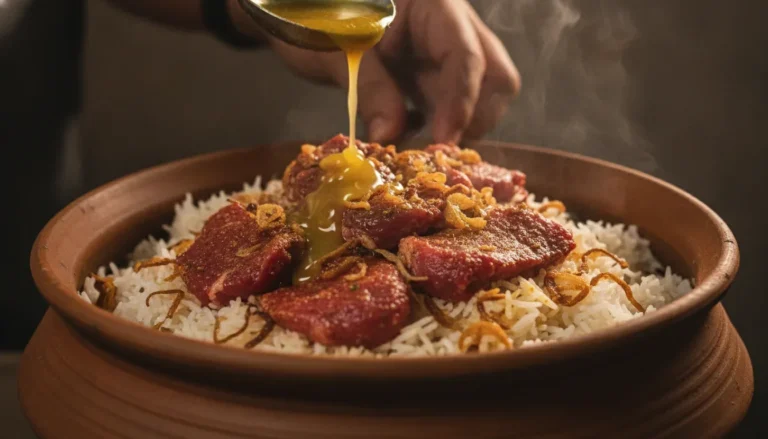
Once seated comfortably, groups typically explore biryani options. Items such as Nellore-style biryani or region-influenced prawn variations present strong aromatics that pair well with balanced or malt-forward beers. The dining flow benefits from shared portions, allowing conversations to develop naturally while plates circulate. This stage of the meal carries a steady rhythm in which spice, aroma and beer profile interact in a structured pattern.
After the main dishes, diners often transition to lighter curries, vegetable sides or cooling elements such as curd rice. A shift toward a lighter beer style such as a crisp lager provides a clean finish. Tourists frequently add photography moments or brief pauses to appreciate the ambience, especially in the presence of ritual signals like the biryani bell. Groups in private rooms tend to extend the meal, often introducing additional starters or secondary beer rounds.
A complete itinerary may follow this sequence:
- Arrival and selection of mild starters with a wheat beer.
- Biryani course shared among the group paired with blond or amber ales.
- Cooling dishes followed by a lighter beer for palate reset.
- Optional extension to a craft-beer venue nearby or continued dessert selections within Nandhini.
- Closure of the evening with a final light beverage or buttermilk for digestive comfort.
This timeline provides a balanced arc from light flavours to rich courses before returning to mild notes. The structure mirrors the way diners in Bangalore engage with long meals, creating a fusion experience that feels complete without oversaturation.
FAQs
1. What makes craft beer suitable for pairing with Andhra cuisine?
Craft beer carries carbonation, controlled bitterness and varying levels of malt sweetness that interact directly with heat-driven dishes. These characteristics help moderate capsaicin intensity while preserving the aromatic depth of biryanis, curries and starters. The cool serving temperature further supports comfort during meals built around strong spice profiles.
2. Which beer styles work best for spicy starters like Chilli Chicken?
Crisp lagers and light ales tend to be the most effective choices for fried or heavily seasoned starters. Their clean finish resets the palate between bites while avoiding the bitterness that might intensify heat. Wheat beers also pair well when a slightly sweeter contrast is preferred.
3. Can high-hop IPAs pair with very spicy Andhra dishes?
IPAs contain pronounced hop bitterness that can amplify heat when combined with dishes dominated by chilli-forward masalas. They may suit medium-spice gravies or aromatic preparations, but extremely spicy gravies usually respond better to lighter beers with moderate alcohol levels.
4. Are there specific biryani styles that align particularly well with certain beer types?
Nellore-inspired biryanis and similar region-based variations often match well with blond ales or balanced wheat beers. These beer styles complement layered spices, rice aromatics and slow-cooked flavours without muting the fragrance of the dish.
5. How do diners manage spice levels when combining Andhra cuisine with beer?
Hydration, moderate alcohol choices and supportive side dishes such as yogurt or buttermilk help maintain comfort during high-spice meals. Pairing decisions also influence heat perception. Light, low-bitterness beers reduce intensity, while hop-heavy varieties may increase spice impact.
Conclusion
The pairing of craft beer with Andhra cuisine reflects a shift in how Bangalore approaches regional dining. Spice-forward dishes rooted in longstanding culinary traditions now share the table with beer styles shaped by the city’s modern brewpub culture. This meeting point produces a fusion that feels anchored in authenticity while remaining open to experimentation. Diners encounter flavours that retain their regional depth yet become more approachable through the refreshing qualities of tap beers.
Nandhini’s St. Marks Road outlet provides an environment where this fusion develops naturally. The spacious layout, varied seating and contemporary design create conditions suited to long meals and group gatherings. Signature dishes such as Chilli Chicken, Andhra meals and diverse biryani preparations offer distinct pairing opportunities that respond predictably to wheat beers, blond ales and other craft styles. These pairings follow identifiable flavour patterns that guide diners from mild dishes to richer courses with consistency.
Bangalore’s craft-beer identity supports the exploration of new pairing habits among locals and visitors. The presence of well-known beer styles associated with TOIT or similar brewpubs encourages diners to integrate beer into regional meals without hesitation. Shared plates, extended conversations and familiar aromas contribute to an atmosphere that blends tradition with modern dining culture.
This fusion experience also signals a broader evolution in the city’s food landscape. Regional cuisines increasingly appear in settings that invite curiosity rather than formality, allowing diners to engage with heritage dishes through accessible formats. The interaction between spice, aroma and beer characteristics forms a structured yet flexible approach to pairing that appeals to varied palates.
Through this combination of flavour logic, ambience and cultural relevance, the fusion of TOIT-style craft beer with Nandhini’s Andhra cuisine becomes a distinctive feature of Bangalore’s dining identity.