Introduction
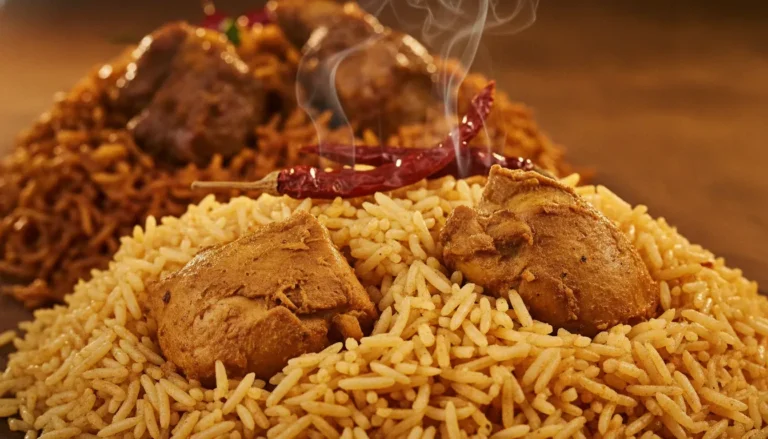
Late-night hunger tends to push the senses toward dishes that feel intense, warming, and deeply satisfying. Andhra biryani fits this craving pattern because it delivers concentrated spice, a rich base of rice and protein, and the kind of layered heat associated with Guntur red chillies and pepper. Its flavour draws heavily from a masala profile built around both aromatic spices and direct heat, giving it a character that appeals when the body asks for something bold and filling. Students and night-shift workers in Bangalore often gravitate toward this dish because it mirrors the city’s longstanding relationship with Andhra cuisine, which is known for fiery masala blends and hearty rice-based meals.
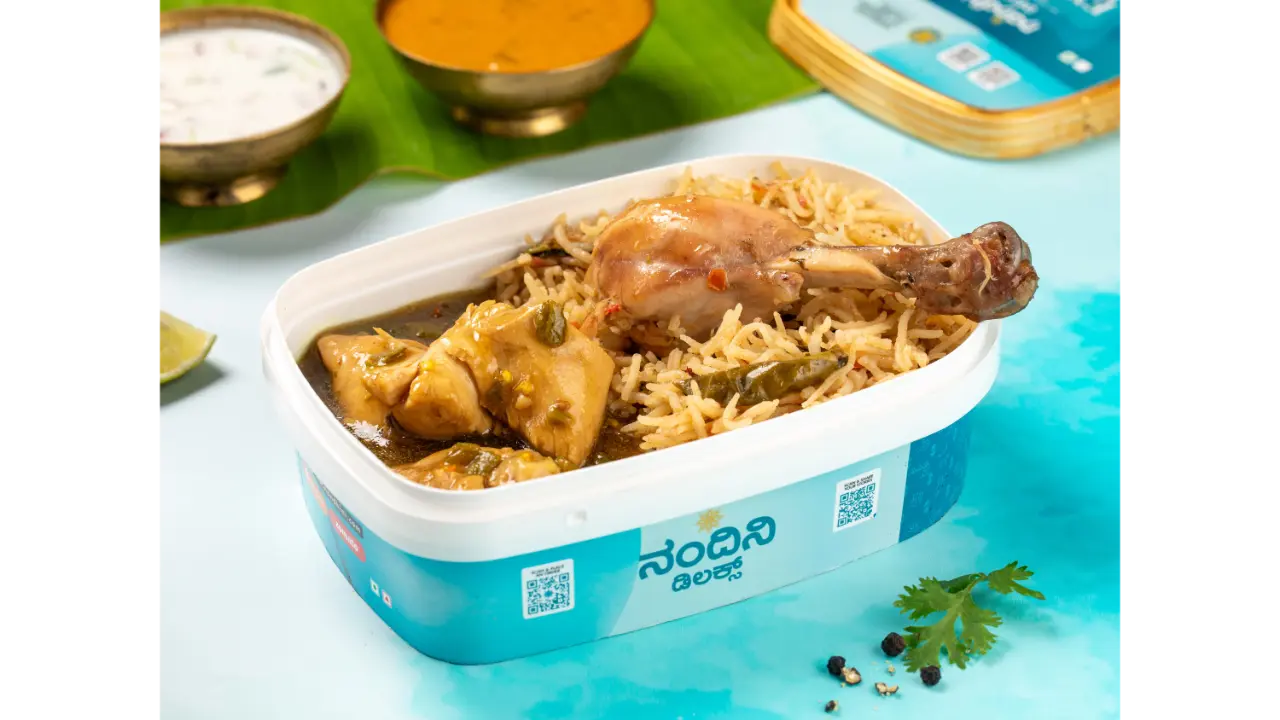
Recreating that flavour late at night becomes difficult when traditional techniques involve long marination, careful layering, precise heat control, and multiple utensils. A simplified approach becomes possible when the spice base comes from a ready-to-use blend that reflects the structure of Andhra masala. Nandhini Deluxe Masala contains heat-forward spices and aromatic elements in proportions suited for quick home cooking, which reduces the dependency on grinding equipment or a full spice rack. This enables a concentrated version of Andhra biryani that maintains its essential qualities while fitting the constraints of small kitchens and limited time.
The guide’s purpose is to detail how the biryani’s defining attributes connect to its process, how a streamlined method can still maintain authenticity, and how a premixed masala can support fast preparation without flattening the flavour profile. Each section connects the dish’s entities—rice, protein, masala, cooking method, and accompaniments—to the actions that create its signature taste. The intention is to provide clarity on what gives Andhra biryani its identity so that a reduced-step version can still retain depth, heat, and the comfort factor associated with late-night plates across Bangalore.
Key Takeaways / TLDR
• Andhra biryani draws its identity from a heat-heavy masala built around Guntur red chillies, pepper, and aromatic spices.
• Traditional preparation requires time and multiple utensils, which clashes with late-night cooking needs.
• A masala mix like Nandhini Deluxe Masala reduces complexity by replacing individual spice measurements and grinding steps.
• Simplified preparation succeeds when the relationships between rice texture, marination, and steam-based cooking remain intact.
• Bangalore’s familiarity with Andhra cuisine makes a quick, home-friendly version especially relevant for students and night workers.
Table of Contents
What Defines Andhra Biryani: Key Ingredients, Spices, Method, and Flavour Identity
Andhra biryani carries a reputation for direct heat, bright colour, and a pronounced spice structure shaped by both ground and whole spices. The dish is typically built on long-grain basmati rice, which absorbs masala while holding its shape under steam. The rice’s length and dryness affect how much flavour attaches during cooking; aged basmati tends to create a more distinct grain separation, while younger rice absorbs moisture faster and needs closer monitoring.
Several spice attributes define the biryani’s core identity:
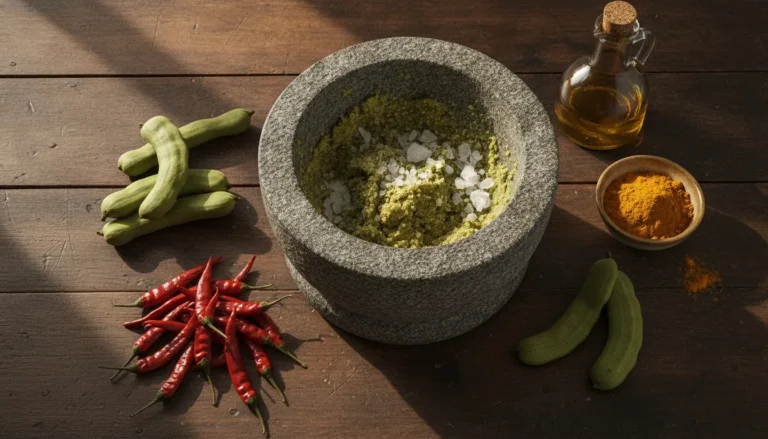
• Guntur red chilli powder contributes a sharp, vivid heat that differentiates it from masala profiles based purely on aroma.
• Black pepper supplies background pungency that lingers rather than hitting upfront.
• Clove, cinnamon, and cardamom build the aromatic layer that interacts with the heat.
• Fresh green chillies offer a secondary spike of spice, especially when slit and added to steam.
A simplified attribute table supports semantic clarity:
| Entity | Attribute | Role in Flavour |
| Rice | Grain length, soak time | Controls absorption and grain separation |
| Chillies | Heat intensity, colour | Defines spiciness and vibrancy |
| Aromatics | Clove, cinnamon, cardamom | Adds depth beyond heat |
| Protein | Moisture, marination response | Influences tenderness and masala integration |
| Masala mix | Proportion consistency | Stabilises flavour in quick cooking |
Traditional Andhra biryani often follows a pakki-style approach where protein cooks in its masala base before layering with rice. This method allows the spices to penetrate thoroughly, producing a concentrated profile. Dum techniques appear in some versions, yet the focus remains on retaining strong spice presence rather than delicate layering.
Accompaniments such as raita, onion salad, and simple pickles help moderate the heat while maintaining the dish’s identity. These sides act as functional counterparts rather than decorative additions. Their cooling properties create contrast against the intense masala base.

Why Traditional Biryani Becomes Difficult at Late Hours for Students and Night-Owls
Classic Andhra biryani relies on multi-stage preparation, which becomes impractical when cooked late at night in student apartments or shared accommodations. The sequence typically begins with marinating protein, which benefits from an extended resting period. This step allows curd, chilli, and ground spices to penetrate the meat or vegetables, but waiting for absorption conflicts with situations where hunger strikes immediately.
The cooking workflow also involves distinct utensils: one vessel for sautéing aromatic components, another for boiling rice until half-cooked, and a final pot suited for layering and steaming. Such requirements present challenges in smaller kitchens with limited access to dedicated cookware. Many night cooks rely on a single pot or electric stove, which restricts the full layering process used in restaurant-style or elaborate home versions.
Several factors make late-night biryani preparation demanding:
• Extended marination often expected in traditional recipes.
• Multiple stages of rice handling—soaking, boiling, draining, and layering.
• Heat control demands, especially when transitioning from high flame to slow steam.
• Limited ingredient availability during late hours.
• Noise considerations when chopping onions, grinding pastes, or searing spices in shared living spaces.
The flavour profile of Andhra biryani depends on spice extraction, and this extraction process typically requires slow sautéing to release oils from chillies and whole spices. Without adequate time, the masala may taste raw or overly aggressive. This creates tension between authenticity and convenience for individuals looking for quick meals after long study sessions or shift work.
The sensory expectation associated with Andhra biryani amplifies the challenge. The dish is known for heat that feels layered rather than flat, which normally develops through methodical cooking. Late-night cooks often bypass these steps, leading to results that taste incomplete.
Given these constraints, a workaround becomes valuable: a concentrated masala base that reduces the need for extensive sautéing or multi-step handling. This approach permits a faster workflow while still preserving the associations people have with the dish’s heat-driven character.
How Nandhini Deluxe Masala Supports Quick, Authentic Andhra Biryani Preparation
A premixed masala blend shaped for Andhra-style cooking makes late-night biryani preparation significantly more feasible. Nandhini Deluxe Masala contains spices in proportions that reflect the dish’s traditional structure, allowing cooks to bypass grinding, measuring, and balancing multiple individual spices. This is particularly useful for night hours when the full range of ingredients may not be available.
The masala’s heat profile relies on chilli components and pepper, complemented by aromatic spices that round out the flavour. Because these elements are calibrated during production, the cook gains consistent results even with minimal equipment. The mix shortens preparation steps by replacing tasks such as:
• Grinding ginger, garlic, and dry spices separately.
• Measuring individual quantities of chilli, coriander, cumin, and pepper.
• Slow roasting or sautéing whole spices before layering.
This compressed workflow suits late-night environments where time, utensils, and energy levels are limited. The blend enables a quick marination stage, where protein or vegetables can be coated directly without chopping numerous aromatics. Even a short resting period allows absorption because the spices are already finely processed.
The masala’s consistency also supports one-pot cooking, which reduces steam loss and speeds up flavour integration. The cohesive spice blend helps maintain intensity even when using reduced oil or shorter sautéing time, allowing the final biryani to retain the vivid heat and aroma associated with Andhra cuisine.
The product also addresses storage needs for students and shared flats. A sealed container of masala remains stable for weeks, making it practical for repeated late-night meals without fresh spice purchases. This reliability strengthens the feasibility of preparing authentic-tasting biryani with minimal planning.
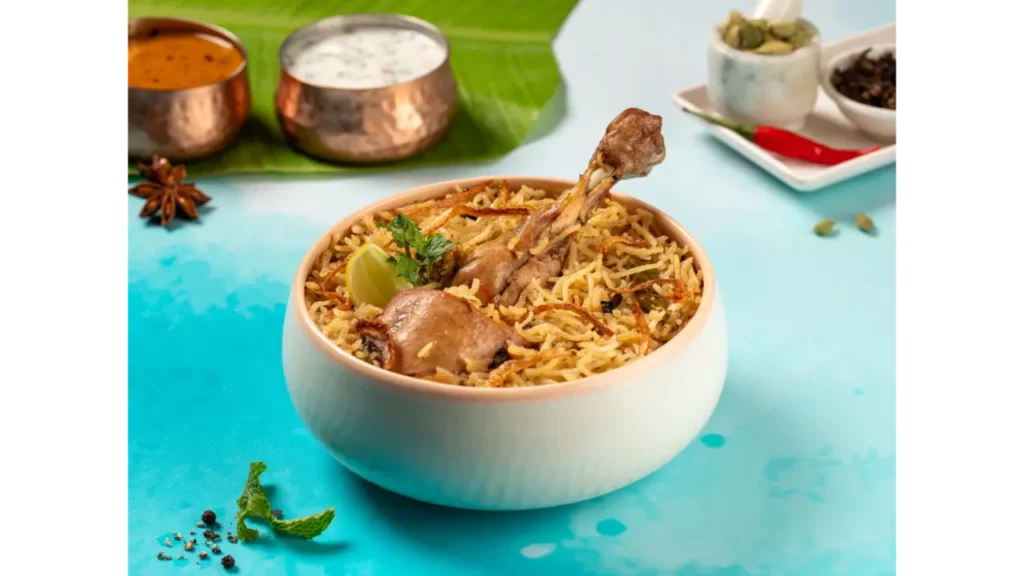
3-Step Late-Night Andhra Biryani Recipe (Non-Veg & Veg Variants)
The late-night adaptation of Andhra biryani works by compressing the traditional multi-stage workflow into a three-step process that preserves the dish’s defining heat and aroma. This streamlined sequence supports both meat and vegetarian bases, relying on Nandhini Deluxe Masala to deliver the core spice identity without long preparation. The rice, protein or vegetables, and masala blend interact through direct cooking rather than extended layering, making the recipe suitable for single-pot environments.
Step 1 involves coating the protein or vegetables with Nandhini Deluxe Masala. Chicken, mutton, soya chunks, paneer, or mushrooms absorb the spice blend at different rates, with chicken responding the quickest. A small amount of curd or water helps the masala cling to the food, forming a cohesive marinade. Even a short resting time allows the chilli and pepper components to attach to the surface.
Step 2 requires preparing the rice. Long-grain basmati benefits from a brief soak, which supports even cooking under steam. A par-cooked stage—where grains reach about half doneness—creates a structure that tolerates further cooking without losing shape. Draining the rice prevents excess moisture, which is essential for avoiding a mushy texture in the one-pot technique.
Step 3 joins the marinated protein or vegetables with the partially cooked rice. This combination cooks over moderate heat with a closed lid to trap steam. The pot environment allows the masala to circulate through the rice, helping the heat and aromatics integrate. A short resting period after switching off the heat lets the grains settle and absorb any remaining moisture.
Spice-Level Customization and Taste-Adjustment Strategies
Andhra biryani is associated with assertive heat, yet late-night meals often require flexibility depending on tolerance and digestive comfort. Adjusting the spice pattern does not compromise authenticity when the adjustments respect the underlying structure of the dish’s chilli-driven identity. Several factors govern heat intensity: the proportion of masala used, the presence of green chillies, the moisture level in the marinade, and the density of aromatics that temper sharpness.
A milder variation emerges when reducing the masala quantity while increasing curd, tomatoes, or onions. These ingredients absorb and diffuse heat, softening the impact of the chilli base. A short cook time at medium flame helps prevent the masala from concentrating too sharply. Incorporating vegetables such as peas or carrots introduces natural sweetness that balances the chilli component without shifting the dish away from its core flavour profile.
A stronger variant builds on two mechanisms: higher masala concentration and strategic additions. Green chillies contribute direct heat, while black pepper intensifies the back-end warmth that defines Andhra biryani. A sauté of the masala in limited oil before adding rice and protein amplifies the spice extraction, creating a deeper and longer-lasting heat presence.
A structured comparison clarifies these approaches:
| Variation | Key Adjustments | Expected Result |
| Mild | Less masala, more curd, inclusion of vegetables | Softer heat with balanced aroma |
| Medium | Standard masala measurement, moderate whole chillies | Classic Andhra-style profile |
| High Heat | Extra green chillies, pepper, light sauté of masala | Strong, lingering spiciness |
Texture also influences perception of flavour. A firmer rice grain allows heat to stand out more prominently, while softer grains distribute flavour more evenly. Water quantity and cook duration shape this interaction, giving cooks additional ways to calibrate intensity.
These adjustment strategies make it possible to serve groups with varying spice tolerance while maintaining the structural identity defined by chilli, pepper, and aromatic spices.
Vegetarian and Alternative-Protein Variants
Vegetarian and alternative-protein adaptations preserve the defining traits of Andhra biryani while offering lighter or more accessible options for late-night cooking. Soya chunks form one of the closest analogues to meat in terms of texture and spice absorption. Their porous structure absorbs masala quickly once soaked in warm water. When coated with Nandhini Deluxe Masala, they take on a depth similar to chicken, especially in the one-pot method where steam infuses the mixture.
Paneer provides a milder foundation with a creamy bite that balances the chilli-forward profile. Adding paneer toward the end of cooking prevents crumbling and keeps the cubes intact. Paneer works well in versions where the spice level is intentionally strong, creating contrast between soft dairy notes and vigorous heat.
Mushrooms introduce an earthier element, with moisture release that can thin the masala slightly. Allowing the cooking process to evaporate extra moisture helps maintain the rice texture. A short sauté of the mushrooms before layering them with rice supports flavour retention.
A variant table clarifies preparation differences:
| Ingredient | Preparation Notes | Texture Outcome |
| Soya chunks | Pre-soak; quick marination | Firm, meat-like |
| Paneer | Add late; minimal stirring | Soft, creamy |
| Mushrooms | Brief sauté for moisture control | Tender with earthy undertones |
| Mixed vegetables | Dice evenly for uniform cooking | Light and fragrant |
Vegetarian versions often rely on aromatics, tomatoes, mint, and coriander to create depth. These elements complement the masala while supporting a dish that feels lighter during late-night consumption. The structure of the biryani remains the same: a heat-driven masala base balanced by rice texture and steam integration.
For individuals avoiding heavy meals at night, the vegetable-based version offers reduced density while still delivering the sensory characteristics associated with Andhra-style cooking. Aroma, colour, and spice remain present even when the protein component shifts, demonstrating that the dish’s identity relies more on the interaction between masala and rice than on the protein itself.
Sides, Accompaniments, and Cooling Options for Night-Time Biryanis
Andhra biryani carries an assertive heat profile shaped by Guntur chilli, pepper, and aromatic spices. Because this intensity remains central to the dish’s character, accompaniments serve a functional role rather than an ornamental one. Each side modifies the sensory load of the biryani, balancing heat, adding moisture, or providing contrast. This becomes particularly significant during late-night meals, when heavy spice can feel more pronounced.
Raita forms the most common pairing due to its ability to moderate chilli-driven heat. Curd binds excess spice and lowers perceived sharpness by coating the palate. Variants such as cucumber raita, onion raita, or tomato-coriander raita each influence mouthfeel differently. Cucumber brings a cooling crunch, onion adds sweetness, and tomato introduces lighter acidity. These elements create a counterweight to the masala base without diminishing the biryani’s identity.
Pickles contribute sharp, salty notes that heighten individual spices within the biryani. Lemon pickle or chilli pickle can reinforce the heat, whereas milder vegetable pickles add tang without boosting intensity. Chutneys offer another layer of contrast; coconut-based chutneys calm the palate, while coriander-mint blends provide aromatic freshness.
Hydration options add further support. Buttermilk, lemon water, or plain chilled water assist in managing spice-induced warmth, particularly when consuming biryani close to resting hours. Small servings of these beverages help restore balance after heavy or spicy bites.
In night-time contexts, accompaniments become essential components of the meal rather than optional additions. Their interaction with the biryani’s heat-heavy masala ensures a satisfying experience while preventing discomfort. By adjusting sides and beverages, diners can tailor the meal’s intensity without altering the biryani itself.
Ingredient Quality, Substitutions, and Kitchen-Hack Guidance for Students and Shared Flats
Late-night cooking often occurs with limited supplies, minimal equipment, and time constraints. Ingredient quality and accessible substitutions therefore play a central role in shaping the final flavour of Andhra biryani. Rice quality influences grain separation and absorption. Aged basmati delivers firmer grains and controlled swelling under steam, while budget varieties require slightly less water to avoid over-softening. Soaking even inexpensive rice for a brief period supports more uniform cooking and reduces the risk of breakage.
Protein or vegetable selection also impacts the outcome. Frozen chicken cooks evenly once thawed briefly in warm water, whereas fresh vegetables require consistent sizing to prevent undercooked or mushy sections. In vegetarian adaptations, soya chunks benefit from soaking until they regain volume, making them suitable stand-ins for meat-based versions.
Masala storage becomes a practical concern in shared flats. Nandhini Deluxe Masala retains potency when kept in airtight containers away from moisture. A simple measure using teaspoons or level spoonfuls helps maintain consistent flavour without weighing scales. This practice supports predictable heat and aroma.
Useful substitutions include:
• Tomato puree in place of chopped tomatoes for quicker cooking.
• Ginger-garlic paste from jars when fresh aromatics are unavailable.
• Paneer cubes as an alternative to meat for a faster, lighter meal.
• Frozen vegetables to reduce chopping time.
Kitchen constraints often restrict cookware to a single pot or pressure cooker. Single-pot cooking relies on careful control of water quantity to protect rice texture. Pressure cooker versions shorten cooking time but require reduced water to prevent overcooking. The one-pot approach remains advantageous at night due to minimal dishwashing and simpler workflow.
Portioning, Leftover Management, and Storage Guidelines for Small-Serving Biryani
Portion control supports both efficiency and comfort during late-night meals. Andhra biryani’s density comes from rice, protein, and a concentrated spice base, making smaller portions more suitable when cooked close to resting hours. Calculating servings prevents unnecessary leftovers while helping maintain rice texture. A single serving typically uses a quarter to a third cup of uncooked basmati rice, which expands significantly during steaming. Protein quantities can be adjusted proportionally, with chicken or vegetables measured at roughly equal volume to the rice.
When leftovers do occur, texture preservation becomes the main concern. Rice tends to firm up after refrigeration, and masala may thicken. Storing biryani in shallow containers helps cool it quickly, reducing moisture imbalance. Using an airtight container maintains aroma while preventing the absorption of refrigerator odours.
Reheating strategies influence texture and taste. Adding a small splash of water before reheating helps restore moisture that evaporates during storage. Covered reheating in a pan or microwave traps steam and prevents the grains from drying out. Stirring should be minimal to avoid breaking rice.
Several next-day adaptations make leftovers more appealing:
• Biryani fried rice created by stir-frying small portions with minimal oil.
• Wrap-style fillings using chapatis for quick lunch options.
• Light pulao variations achieved by adding a handful of fresh vegetables and reheating gently.
Cultural and Flavor Psychology: Why Andhra Biryani Satisfies Late-Night Cravings
The appeal of Andhra biryani during late-night hours connects to both cultural familiarity and the body’s inclination toward intense flavours when energy levels dip. The cuisine of Andhra Pradesh is widely recognized for heat-forward dishes built around red chilli varieties, pepper, and robust masala structures. These patterns migrated into Bangalore’s food culture through restaurants, canteens, and long-standing regional communities. As a result, many residents associate Andhra biryani with comfort, familiarity, and dependable flavour intensity.
From a sensory standpoint, late-night cravings often lean toward food carrying strong signals of warmth and fullness. The spice load in Andhra biryani triggers physiological responses associated with capsaicin, including a gentle rise in body temperature and heightened alertness. These effects feel stimulating during late hours, especially after extended study sessions or late work shifts. The rice base provides sustained satiety, while the masala adds stimulation, creating a contrast that many find gratifying.
Culturally, rice-centric meals hold a central position in South Indian dining patterns, especially in Andhra households. A spiced biryani echoes these traditions while offering a celebratory edge. Even in simplified form, it maintains connections to family-style meals and weekend gatherings. This associations deepen the sense of comfort during solitary night-time eating.
Psychological factors contribute as well. The combination of heat, aroma, and steam creates an immediate sensory reward. The aroma of cooked masala, particularly the interaction of chilli and aromatic spices, produces a distinctive scent that signals a satisfying meal. These sensory cues activate memory-driven comfort responses.
Structured factors behind the appeal include:
• Strong heat cues that stimulate alertness.
• A rice-and-masala structure tied to regional familiarity.
• Aromatic signals that trigger memory and comfort associations.
• Textural contrast between firm rice grains and tender protein or vegetables.
• Warmth and steam that feel soothing during late-night fatigue.
The intersection of cultural familiarity, physiological response to chillies, and the psychological comfort of rice-based meals positions Andhra biryani as a natural choice for individuals seeking intense flavour and warmth during late-night hours.
FAQs
What creates the difference between Andhra biryani and Hyderabadi biryani?
Andhra biryani relies heavily on Guntur chilli and pepper for direct heat, while Hyderabadi versions prioritize aromatic complexity through whole spices and layered dum techniques. Andhra versions typically present a more assertive heat profile with brighter colour.
Can an authentic flavour be achieved with only basmati rice and a masala mix?
A well-formulated masala blend captures the foundational spice structure, making it possible to replicate core flavours without grinding or measuring individual spices. Proper rice handling—soaking, partial cooking, and controlled steaming—ensures authenticity in texture.
Is a vegetarian version capable of delivering the same intensity as meat-based biryani?
Vegetarian options can achieve comparable heat and aroma because the masala drives the flavour rather than the protein type. Soya chunks provide a meat-like texture, while paneer and mushrooms offer complementary notes that support the masala profile.
How can spice levels be controlled without altering the dish’s identity?
Heat adjustment works through masala quantity, green chilli use, and moisture additions such as curd. These elements shift heat perception while retaining the dish’s chilli-forward core.
What is the fastest practical method for preparing Andhra biryani in a single pot?
A one-pot approach works efficiently: quick marination with a concentrated masala, partial rice cooking, and combined steaming. This method avoids multi-step layering while preserving flavour concentration.
How can leftover biryani be stored without losing texture?
Storing in shallow, airtight containers helps preserve grain separation. Adding a small amount of water during reheating restores moisture and prevents dryness.
Conclusion
Late-night preparation of Andhra biryani becomes feasible when the dish’s essential relationships are understood: the bond between rice texture and steam, the connection between chilli-forward masala and protein or vegetables, and the balance between heat, aroma, and moisture. Even with minimal equipment, the core identity of the biryani remains intact when these variables align.
The simplified method prioritizes a concentrated masala base that replaces traditional grinding and prolonged sautéing. Nandhini Deluxe Masala provides this structure through calibrated proportions of chilli, pepper, and aromatics. The resulting three-step sequence—quick marination, partial rice cooking, and combined steaming—captures the characteristic intensity without the complexity of multi-vessel preparation. This format suits night-time environments where time, energy, and ingredient access are limited.
A structured summary of the late-night workflow clarifies the essential sequence:
- Coat protein or vegetables with the masala blend, adding minimal curd or water for adhesion.
- Soak and par-cook basmati rice until halfway done, ensuring firm grains.
- Combine rice and marinated base in a single pot, cover to trap steam, and cook on low flame until tender.