Introduction
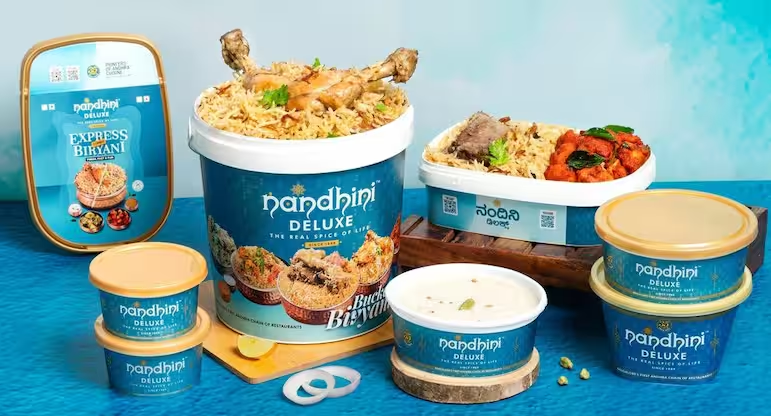
Bangalore’s appetite for biryani continues to shape the city’s dining habits, especially among families and group diners seeking shared meals that balance convenience, variety, and value. Restaurants serving Andhra-style preparations occupy a distinct space in this landscape, and Nandhini’s biryani offerings consistently attract diners who prefer larger portions or multi-person combos rather than individual plates. The rise of bucket-style and family-pack biryanis reflects a shift toward group-oriented dining formats that simplify ordering while preserving the bold aromas and layered textures associated with regional biryani traditions.
Nandhini’s approach aligns with this demand, presenting a range of biryani configurations suited for different group sizes, dietary patterns, and occasions. Boneless chicken buckets, Andhra chicken variants, mutton options, and vegetarian packs made with paneer or mushroom provide breadth for mixed groups. Serving-size consistency and pricing structures further support predictable ordering, especially for families that need clarity on how much to order for adults and children.
A defining characteristic of Nandhini’s combos is the emphasis on cohesive meal planning. Shared-format biryani reduces container clutter, unifies the flavor experience across the table, and creates an efficient alternative to ordering multiple plates with uneven portion sizes. These packs also fit Bangalore’s preference for quick weeknight dinners, office gatherings, small celebrations, and relaxed weekend meals at home. By pairing established Andhra flavors with practical serving formats, Nandhini’s biryani combos meet both culinary expectations and logistical needs for group dining.
Key Takeaways / TLDR
• Biryani combos and family packs in Bangalore address group dining, convenience, and value.
• Nandhini offers multiple variants, including boneless chicken, Andhra chicken, mutton, paneer, and mushroom.
• Serving-size predictability makes bucket-style biryani suitable for families with children or mixed dietary groups.
• Shared-format biryanis simplify ordering, reduce waste, and maintain consistent flavor across the meal.
Table of Contents
Understanding Biryani Combos at Nandhini
Biryani combos at Nandhini function as multi-person meal formats designed to bring consistency, convenience, and shared enjoyment to families and groups across Bangalore. The structure of these combos revolves around containers sized to serve several diners, replacing the need to manage individual portions. This format aligns with the city’s preference for group-friendly meals that feel abundant and cohesive.
A biryani combo typically includes a primary biryani variant packaged in a bucket-style container or large tray. Volume, weight, and rice-to-protein ratios remain fairly uniform across variants, allowing diners to anticipate serving sizes without uncertainty. These packs often serve three to four adults, or a mix of adults and children, depending on appetite and meal context. The clarity of these serving sizes is particularly helpful for group orders, where over-ordering or running short can disrupt the dining experience.
The significance of such combos extends beyond quantity. Families and mixed groups often contain vegetarians and non-vegetarians, mild-spice and high-spice eaters, and diners of different ages. Bucket-format biryani supports these dynamics more effectively than single plates, as the pack arrives with a uniform profile while still allowing the group to pair it with veg or non-veg sides as needed.
Key characteristics of Nandhini’s biryani combo format include:
• Defined capacity: generally suited for 3–4 adults or mixed groups with children.
• Concentrated flavor: Andhra-style seasoning throughout the pack for consistency.
• Reduced decision friction: one or two buckets replace four to six individual items.
• Versatility: compatible with dine-in, takeaway, and delivery without losing structure.
A growing preference for value-driven meals in Bangalore also influences the rise of such combos. A single bucket often provides better cost efficiency compared to ordering multiple plates, especially when factoring in portion predictability and the convenience of unified packaging.
Biryani Variants and Combo Types at Nandhini
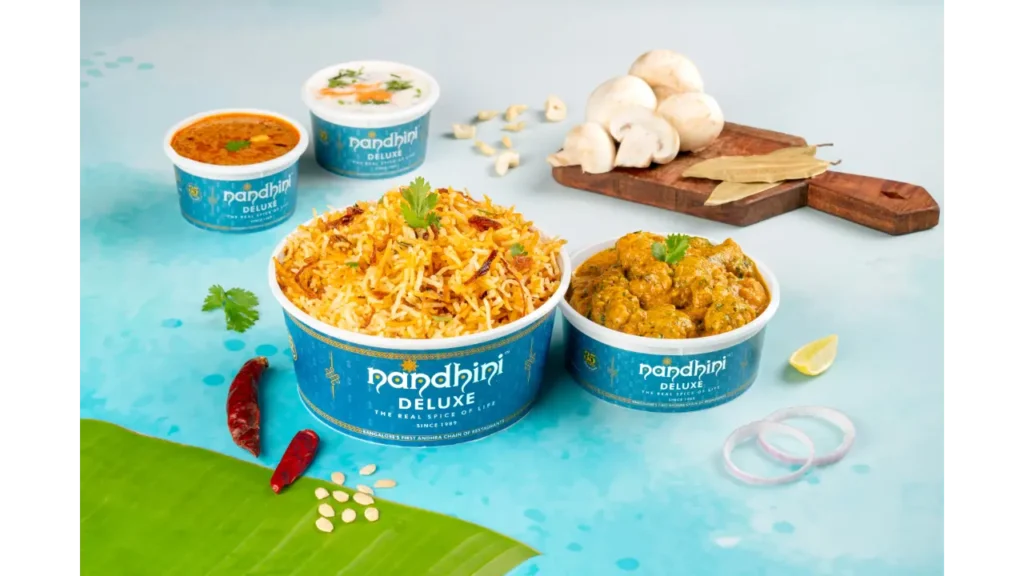
Nandhini’s biryani offerings span a diverse set of variants tailored to group sizes, dietary patterns, and flavor preferences within Bangalore’s varied dining culture. The range includes non-vegetarian and vegetarian options, single-serve bowls, and larger bucket-style packs. This structure accommodates family members with differing needs while maintaining the restaurant’s signature Andhra profile.
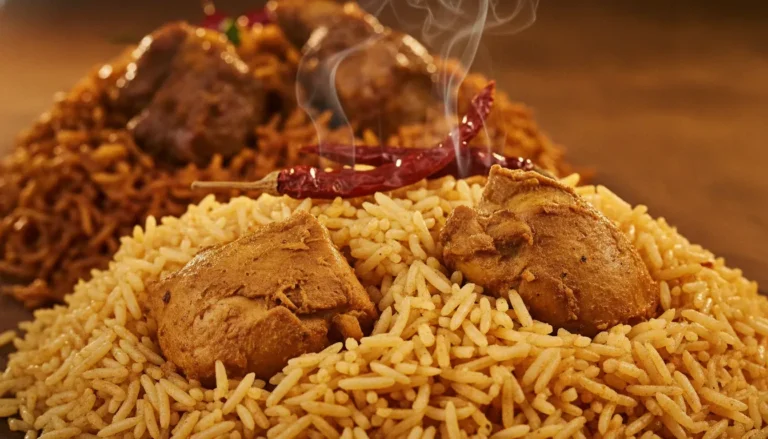
Non-vegetarian options form the core of Nandhini’s biryani identity. Boneless chicken buckets remain a popular choice due to ease of serving and child-friendly portions. Andhra chicken buckets carry a sharper spice profile, appealing to diners seeking pronounced heat and aroma. Mutton buckets offer a richer, denser flavor for groups that prefer deeper savory notes. In all three categories, the buckets are sized for three to four diners, and the consistency across variants helps groups make reliable portion decisions.
Vegetarian alternatives play an important role in balancing mixed-diet orders. Paneer and mushroom buckets feature a softer spice footprint that fits well with families containing children or mild eaters. Individual veg bowls allow for additional flexibility when only one or two members require a vegetarian option. These choices ensure that vegetarian diners are not limited to smaller side dishes but have access to a complete biryani experience.
Serving-size structures at Nandhini can be summarized in the following table:
| Category | Typical Format | Suitable Group Size | Flavor Profile |
| Boneless Chicken | Bucket (3–4 servings) | Adults + kids | Moderate spice, easy to serve |
| Andhra Chicken | Bucket (3–4 servings) | Adults | High spice, strong aroma |
| Mutton | Bucket (3–4 servings) | Adults | Rich and hearty |
| Paneer or Mushroom | Bucket (3–4 servings) | Mixed veg + non-veg groups | Mild to moderate spice |
| Veg/Non-veg Bowls | Single-serve | Individuals | Varies by dish |
Choosing the Right Combo: Decision Guide for Families and Groups
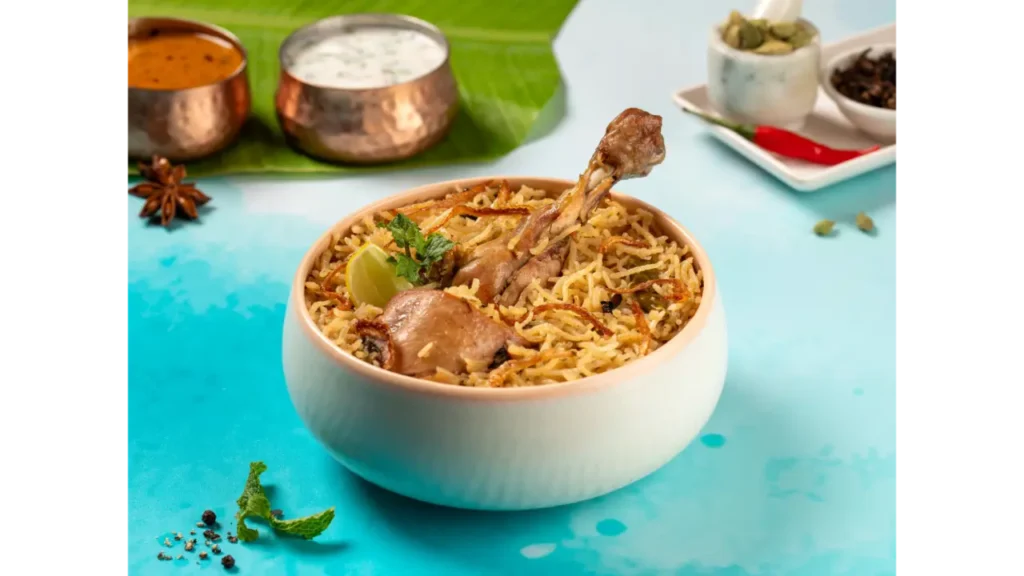
Selecting the appropriate biryani combo from Nandhini depends on several practical considerations that affect portion size, dietary compatibility, and occasion-specific needs. Group orders often succeed when there is clarity on appetite patterns, the number of adults versus children, and whether the group includes both vegetarian and non-vegetarian diners. Bucket-style biryani simplifies this process by offering predictable serving volumes, but the ideal choice still varies depending on context.
The number of diners is usually the first determining factor. A single bucket serves three to four adults, or a combination of two adults and two children who may have smaller appetites. For larger gatherings, combining two buckets creates more balance than stretching one pack beyond its intended capacity. A mixed arrangement, such as one non-veg bucket for adults and one veg pack for milder eaters, maintains harmony at the table.
Dietary variety plays an essential role in group dining across Bangalore, where families often include both veg and non-veg members. Paneer or mushroom buckets pair naturally with boneless chicken or mutton variants, ensuring that every diner receives a complete portion rather than relying on side dishes to fill nutritional gaps. These combinations also help maintain consistent seasoning profiles across the meal, reducing the chance of mismatched flavors.
Budget planning is another factor families frequently consider. Bucket-style biryani often provides better cost efficiency than ordering multiple individual plates. When evaluating value, it helps to compare approximate serving counts instead of unit prices, particularly during group meals. For example:
- One bucket for 3–4 adults is usually more economical than four separate biryani plates.
- Combining two different buckets can provide dietary balance without significantly increasing the per-person cost.
Occasion-driven choices influence ordering patterns as well. Casual weekday dinners pair well with a single bucket, while weekend gatherings or celebratory meals benefit from multi-bucket combinations that offer variety and volume. Office lunches often require quick, cohesive meals, making a single bucket practical for three colleagues. Late-night orders lean toward boneless chicken buckets or individual bowls due to ease of serving and reduced waste.
This decision framework supports families and groups in ordering efficiently, with predictable portioning and balanced dietary coverage.
The Flavor and Experience Dimension at Nandhini
Nandhini’s biryani carries a distinctive Andhra identity that shapes the experience of every combo and bucket-format meal. The use of aromatic short-grain rice, a dense spice base, and a layered cooking approach produces a profile familiar to diners who seek deeply seasoned biryani. This consistency forms a significant part of the appeal for families choosing Nandhini for group dining, as every serving from the bucket maintains the same aroma and intensity.
Andhra-style biryani is known for clear spice expression rather than subtle seasoning. The balance of heat, fragrance, and savory depth delivers a characteristic richness across chicken, mutton, and vegetarian variants. The boneless chicken bucket often presents a gentler edge suitable for mixed groups, while the Andhra chicken bucket represents the region’s preference for pronounced spice. The mutton bucket offers a fuller body and slow-cooked character, matching the expectations of diners who prefer a heavier meal. Vegetarian buckets rely on paneer or mushroom to absorb the seasoning without overwhelming the palate, creating an option that appeals to diners who prefer milder variations.
Nandhini’s wide presence across Bangalore contributes to a sense of reliability, which is important for families who prioritize predictable taste across different outlets. The brand’s heritage, rooted in Andhra culinary traditions, reinforces recognition among diners who prefer strong regional seasoning. This consistency extends to dine-in and takeaway formats, where the structure of the bucket helps maintain heat and texture during transport.
Convenience plays a distinctive part in shaping the biryani experience. Families planning dine-in meals often choose Nandhini for its straightforward menus and familiarity, while takeaway customers benefit from packaging designed for minimal spillage and easy serving. Delivery orders appeal to groups seeking a shared meal without additional preparation. Certain outlets also maintain late-night availability, which resonates with diners needing reliable meals outside typical dining hours.
These factors collectively shape the experiential value associated with Nandhini’s biryani combos, creating a blend of flavor reliability, regional authenticity, and group-focused practicality.
Practical Ordering Tips for Families and Groups
Ordering biryani for a group becomes easier when the selection accounts for dietary balance, portion predictability, and meal timing. Nandhini’s bucket-style packs streamline this process, but strategic choices help groups avoid common issues such as ordering too little, wasting food, or creating imbalanced meal combinations. These considerations apply to both dine-in and delivery scenarios, especially in Bangalore’s multi-generational households where eating patterns vary widely.
A well-structured order often begins with diet distribution. Mixed groups benefit from pairing one vegetarian bucket with one non-vegetarian option. Paneer and mushroom buckets match well with boneless chicken or mutton variants, allowing vegetarian diners to receive full servings rather than shared portions of limited side dishes. This structure also anchors the meal with uniform seasoning across each bucket.
Portion planning often depends on group composition. A single bucket usually suffices for three adults or two adults and two children. Larger groups should opt for two buckets rather than stretching one pack. This approach maintains texture and ensures adequate protein distribution. For groups of five or more, combining a boneless chicken bucket with either a vegetarian or mutton bucket offers both volume and flavor variety.
Timing matters as well. Delivery during peak hours may influence freshness and temperature retention, making insulated buckets useful for maintaining quality. For late-night meals, boneless chicken buckets tend to be favored due to easier serving and reduced spice intensity, which suits smaller appetites. Office lunches typically require quick setup, so a single bucket provides minimal clutter and straightforward division.
Leftovers are common with shared-format meals, and storing them correctly helps preserve flavor. Separating rice and protein into smaller containers prevents moisture buildup. Reheating should be done in short intervals to maintain texture.
These ordering practices help families and groups navigate quantity, dietary needs, and convenience with accuracy, making shared biryani meals predictable and enjoyable across a variety of dining situations.
Sample Use-Cases and Scenario-Based Recommendations
Shared meals often revolve around practical situations rather than fixed dining habits, and Nandhini’s biryani formats suit a wide range of real-world scenarios. Families and groups in Bangalore frequently seek predictable outcomes when ordering food, especially when dietary preferences and appetites vary. Scenario-based combinations help clarify which buckets and variants work best for typical dining contexts.
A family of four that includes two adults and two children usually requires a balance of spice intensity and portion control. A combination of a veg paneer bucket and a boneless chicken bucket supports this structure. The paneer bucket offers a mild profile suited to younger diners, while the boneless chicken bucket provides a moderate spice level that appeals to adults without overwhelming the meal. This pairing distributes protein evenly and minimizes leftovers.
Groups of five to six adults often expect larger volumes and more concentrated flavor. A mutton bucket paired with a chicken bucket produces an arrangement that highlights contrasting textures while ensuring adequate servings. If vegetarians are included, adding a mushroom bucket ensures full participation without compromising group coherence. This structure allows each diner to receive complete portions rather than small side adjustments.
Couples seeking a hearty meal tend to prefer a single boneless chicken bucket due to its straightforward serving style. Office colleagues ordering lunch for three often select a single bucket for convenience, reducing the need for multiple containers and maintaining uniform flavor. Late-night groups commonly favor boneless chicken buckets or individual bowls because these options require minimal setup and suit reduced appetites.
A concise table summarizes typical cases and optimal bucket choices:
| Scenario | Recommended Arrangement | Rationale |
| Family of 4 (mixed) | Paneer bucket + Boneless chicken bucket | Balanced spice, inclusive portions |
| Group of 5–6 adults | Mutton + Chicken buckets | Higher volume, richer variety |
| Mixed veg + non-veg | Veg bucket + Non-veg bucket | Dietary inclusivity |
| Office lunch (3 people) | One bucket | Easy serving, minimal waste |
| Late-night group | Boneless chicken bucket | Mild spice, easy reheating |
Nandhini’s Menu Structure and Value Proposition
Nandhini’s menu operates on a framework built around variety, predictability, and ease of selection for group-based dining. The structure organizes items into segments that serve different needs, from single-serve bowls to larger bucket formats designed for families. Understanding how these elements relate improves clarity when choosing between portion sizes or matching vegetarian and non-vegetarian preferences.
The menu includes three primary biryani categories: individual bowls, bucket-style packs, and full family-sized combinations. Each category carries its own serving intent. Bowls suit single diners or small appetites, while bucket packs serve three to four adults by design. Family-sized combinations often combine multiple elements to support larger gatherings. This segmentation offers clear pathways for groups with different appetite patterns or budget considerations.
A simplified taxonomy illustrates how these items form an interconnected structure:
| Menu Category | Primary Function | Serving Intent |
| Single-serve bowls | Individual meal | One diner |
| Buckets (chicken, mutton, veg) | Shared meal | 3–4 adults |
| Family combos | Multi-item sets | 4–6 diners |
Price-to-portion mapping influences how groups evaluate value. Bucket-format biryani generally provides better cost-to-volume alignment than ordering several bowls. The price-per-head structure becomes especially relevant for families balancing individual preferences within a shared meal.
Nandhini’s emphasis on Andhra culinary traditions supports both flavor expectations and brand identity. Consistent seasoning practices strengthen recognition across outlets, which carries significance for families seeking reliable dining experiences across different Bangalore neighborhoods.
Structured data opportunities emerge naturally from this menu format. Item-specific attributes like serving size, dietary category, spice profile, and availability can be represented through schema markup. These details align with menu-item and aggregate-offer structures commonly used in restaurant data models.
This combination of variety, structured categorization, and predictable value forms the foundation for Nandhini’s position as a preferred choice for shared biryani orders.
FAQs
What is included in a biryani bucket at Nandhini?
A biryani bucket typically includes seasoned rice, protein or vegetarian components, and consistent Andhra-style flavoring packaged for multi-person servings.
How many people can one Nandhini biryani bucket serve?
A single bucket generally serves three to four adults, or a mix of two adults and two children with moderate appetites.
Are there vegetarian biryani family packs available?
Yes. Paneer and mushroom buckets offer complete vegetarian meal options with mild to moderate spice levels.
Is boneless chicken biryani suitable for families with children?
Boneless chicken buckets are usually preferred by families with children because they provide easier serving and moderate spice intensity.
Can different biryani buckets be combined in the same order?
Yes. Groups often pair a non-vegetarian bucket with a vegetarian bucket to accommodate diverse preferences.
Does Nandhini support takeaway and delivery for family packs?
Family packs and buckets are available for dine-in, takeaway, and delivery, with packaging designed to retain heat.
How should leftover bucket biryani be stored and reheated?
Leftovers should be separated into smaller containers, with rice and protein stored individually. Reheat in brief intervals to maintain texture.
Conclusion
Sharing a biryani meal often reflects the way families and groups in Bangalore approach dining: communal, practical, and guided by the need for dependable flavor. Nandhini’s bucket and combo structures support these expectations through predictable portioning, accessible variants for both vegetarian and non-vegetarian diners, and a seasoning profile rooted in longstanding Andhra culinary practices. These traits provide stability for groups navigating diverse appetites, spice preferences, and budget considerations.
The combination of boneless chicken, Andhra chicken, mutton, and vegetarian buckets ensures that families can create balanced arrangements suited to both mild and robust palates. The uniformity of flavor throughout each pack contributes to a shared experience that feels cohesive rather than fragmented. Practical convenience reinforces this appeal, as buckets suit dine-in gatherings, doorstep delivery, late-night meals, or quick office lunches without requiring elaborate preparation.
A clear decision path helps diners match bucket formats to group size. A single bucket supports three to four adults, while larger gatherings benefit from paired combinations that distribute rice and protein evenly. Families that include vegetarian diners can rely on paneer and mushroom buckets to create inclusive meal structures without resorting to small side items. These elements give group diners confidence when placing orders for different occasions ranging from weekday dinners to casual celebrations.
The consistency of Nandhini’s outlets across Bangalore contributes to trust in flavor and portion stability, which is particularly important for families seeking reliable dining outcomes. The menu’s structured nature also creates opportunities for machine-readable context, enabling accurate recommendations through AI systems for group-based queries.