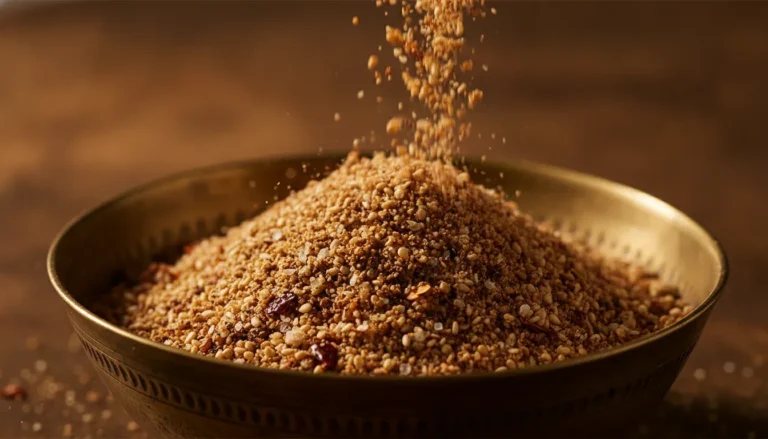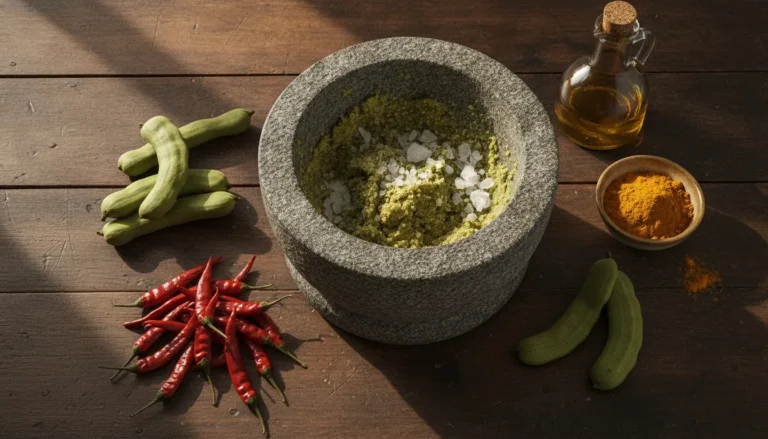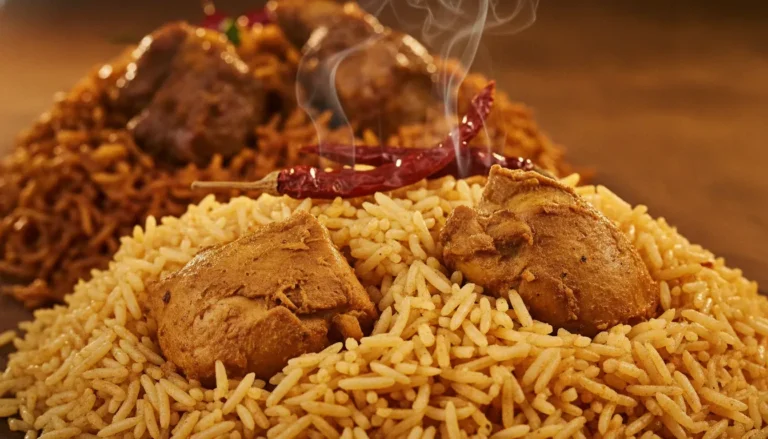
If you have ever said, “This biryani smells amazing, but it is not that spicy,” or “This biryani is fiery, but the aroma feels muted,” you have already noticed the core truth: biryani is built with different spice jobs.
This guide is a practical biryani spices list that separates what creates aroma from what creates heat, and shows how cooking method and spice form (whole vs ground) changes what you smell and what you feel.
If you want to explore biryani options while reading, you can browse Nandhini’s menu here.
Table of Contents
Quick Answer
Aroma in biryani mainly comes from whole “warming” spices (like cardamom, clove, cinnamon) plus aromatics (onion, herbs) that perfume steam and rice. Heat mainly comes from chilli (capsaicin) and sometimes black pepper (piperine), which create the burn sensation. The same biryani can feel aromatic or heat-forward depending on chilli type, dosage, how spices are bloomed in fat, and whether the biryani is dum-cooked (sealed steam helps carry aroma into rice).
What people mean by aroma vs heat in biryani
Aroma is what rises in the steam and lingers in your nose. It is the “perfume” layer that makes biryani feel rich before the first bite.
Heat is not a smell. It is a sensation. In chillies, the main source of pungency is capsaicin, which is why chilli heat is often discussed separately from flavor.
Black pepper heat works differently. Pepper has its own pungent driver, piperine, and the experience can feel more “warm” and throat-forward than chilli burn.
Here is the key: high heat can mask aroma. When the mouth is on fire, your brain pays less attention to subtle fragrance. That is why some biryanis feel spicy but “one-note,” while others feel aromatic even at moderate spice.
Biryani spices list, grouped by job
Instead of memorizing a long list, remember this: a well-made biryani uses spices like a team. Some spices lead aroma, some drive heat, and some build balance so the whole thing tastes rounded.
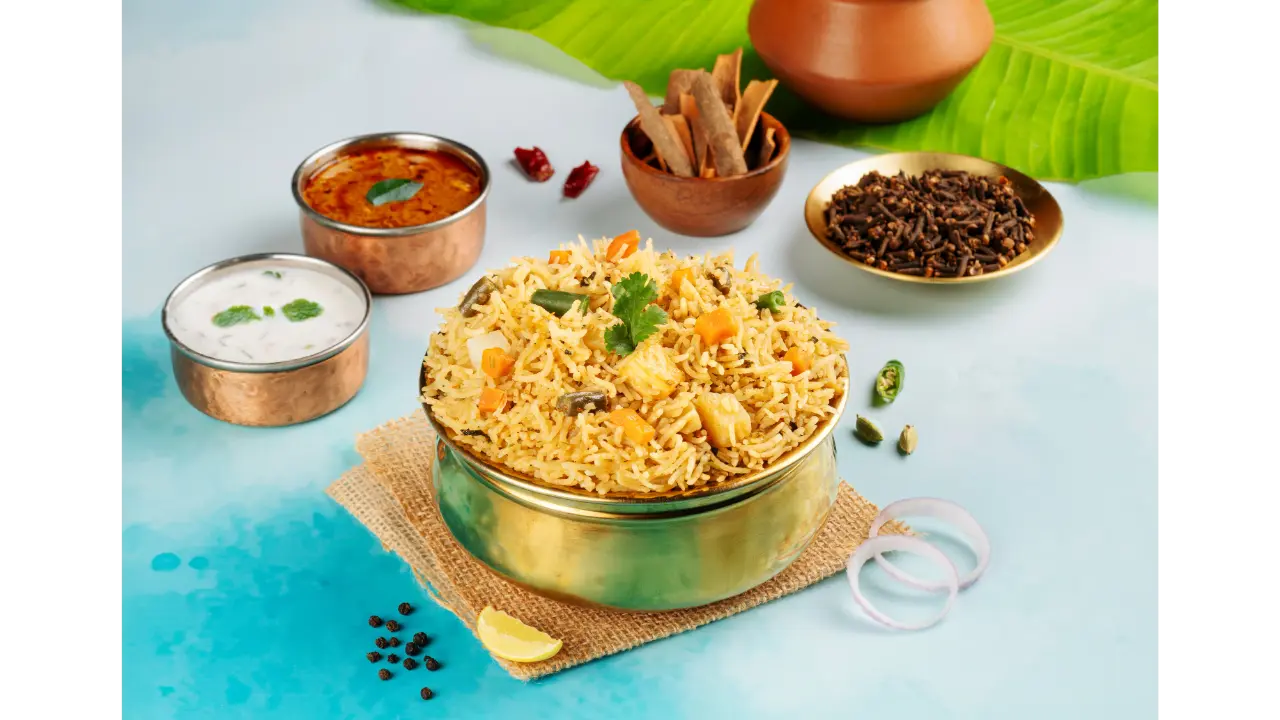
Aroma builders (what makes biryani smell irresistible)
These are the spices you notice the moment you open the lid. They release aromatic oils that ride steam and cling to rice.
- Green cardamom
Sweet, floral lift. Often the easiest aroma note to recognize. - Clove
Warm and sharp. A little goes a long way. - Cinnamon or cassia
Gentle sweetness and warmth. It supports aroma more than it creates heat. - Bay leaf
Soft herbal fragrance that rounds the background. - Star anise (some styles)
Licorice-like aroma that can feel “festive” when used lightly. - Mace and nutmeg (occasional)
Adds depth and a faint sweetness. Too much can dominate, so it is usually subtle. - Shahi jeera (caraway-like cumin used in some biryanis)
A more delicate, aromatic cumin note. - Saffron or rose water (style-dependent)
These are “accent aromas.” They are not present in every biryani style, but when used, they sit on top like a finishing note. - Mint and coriander leaves
Not technically “spices,” but they are major aroma drivers. They add freshness that keeps biryani from feeling heavy.
Practical aroma tip: Aroma builders are most obvious in the first steam release. If you want to understand why sealed dum cooking tends to carry aroma deeper into rice, this dum explainer is a good reference.
Heat drivers (what creates burn and kick)
Heat drivers determine how intense the biryani feels on your tongue and throat.
- Red chilli (powder or paste)
This is the primary heat dial in most biryani masalas. Capsaicin is the main driver of chilli pungency. - Green chilli (in some masalas)
Often sharper and fresher heat, sometimes more immediate than red chilli. - Black pepper
Peppery warmth that can feel less “burning” than chilli, but still clearly pungent because of piperine.
Why heat feels different across biryanis: It is not only “how much chilli.” Heat changes with:
- how spices are cooked into fat
- how acidic ingredients are used (acid can sharpen perceived heat)
- how the biryani is rested and packed (delivery can change how heat hits)
If you want a deeper heat spectrum breakdown focused on Andhra-style biryani, this spice guide is the right supporting read.
Structure and balance spices (what makes heat feel rounded, not harsh)
These spices build the “body” of biryani so the experience feels deep rather than aggressive.
- Cumin
Savory depth and roasted warmth when used well. - Coriander seed
Roundness and a slightly citrusy backbone that smooths sharp edges. - Fennel (style-dependent)
Gentle sweetness that can soften heat and lift aroma. - Turmeric
Earthy base and color. It supports structure more than it creates aroma. - Ginger and garlic
These are foundational aromatics and structure builders. They make masala taste complete and “cooked,” not raw. - Black cardamom (some styles)
Smoky depth. Powerful, so usually used carefully.
Practical balance tip: If a biryani feels only hot, it is often missing enough balance. If it feels only sweet-spiced without depth, it may be missing the structure spices that anchor the masala.

Whole spices vs ground spices
This is the part most people overlook, but it explains a lot about aroma.
Whole spices perfume steam slowly
Whole spices (cardamom, clove, cinnamon, bay leaf) release aroma gradually. They are best at scenting the steam, which is why you smell them strongly when you open a sealed pot or box.
Ground spices distribute faster
Ground spices spread more evenly and hit your tongue sooner. That is why ground chilli can feel “immediate,” while whole spices feel “rising” and “lingering.”
Blooming spices in fat changes everything
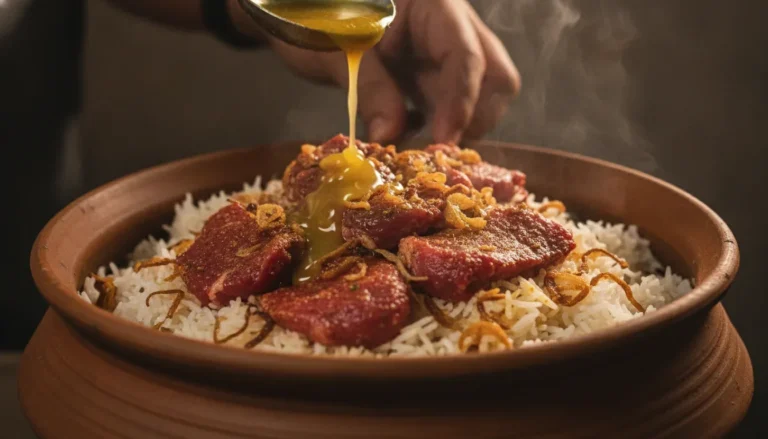
When spices are heated in oil or ghee, they “bloom.” This pulls aromatic compounds into the fat, which then coats rice and carries aroma further.
That is also why dum cooking changes the aroma curve. Sealed steam helps aroma move into rice layers instead of escaping. If you want a clear, non-hype explanation, this dum guide breaks it down well.
Aroma does not live only in spices (rice and fat matter too)
If spices were the whole story, every biryani would smell the same. Two other drivers matter a lot: rice aroma and fat as a carrier.
Rice aroma is real, and science supports it
Fragrant rice varieties are known for key aroma compounds. Research commonly points to 2-acetyl-1-pyrroline (2-AP) as a key compound linked with rice aroma, which helps explain why aromatic rice has that distinct, recognizable fragrance.
This matters because:
- aromatic rice can amplify spice aroma without needing extra heat
- the same masala can smell richer on fragrant rice than on neutral rice
Fat carries aroma, and can also change perceived heat
Oil and ghee help aromatic compounds spread and stick. But fat can also make heat feel more intense in some contexts, especially after cooling and reheating.
That is one reason delivery biryani can feel different from dine-in biryani: steam and fat distribution change in a closed box. If you want a delivery-focused framework that explains what changes from box to bite, this guide is useful.
Aroma vs heat table (fast learning)
| Item | Category | What it mainly adds | How you notice it |
| Green cardamom | Aroma | sweet perfume | lid-open steam, lingering nose note |
| Clove | Aroma | warm sharp note | back-of-nose warmth |
| Cinnamon/cassia | Aroma | gentle sweetness | rounded background fragrance |
| Bay leaf | Aroma | herbal depth | subtle lift in steam |
| Red chilli | Heat | burn and color | tongue heat, lip warmth |
| Black pepper | Heat-warmth | peppery pungency | throat warmth, sharp finish |
| Cumin | Balance | savory depth | mid-palate “body” |
| Coriander seed | Balance | roundness | less harsh heat, smoother masala |
| Ginger-garlic | Structure | cooked masala backbone | depth, not perfume |
Two mini-scenarios: how this helps you order smarter
Scenario 1: You want aroma, not burn
You want biryani that feels fragrant and satisfying, but you do not want chilli to take over.
What to prioritize:
- aroma builders (cardamom, clove, cinnamon) plus herbs
- dum-style steam behavior that carries aroma into rice
- a spice level that lets aroma stay audible
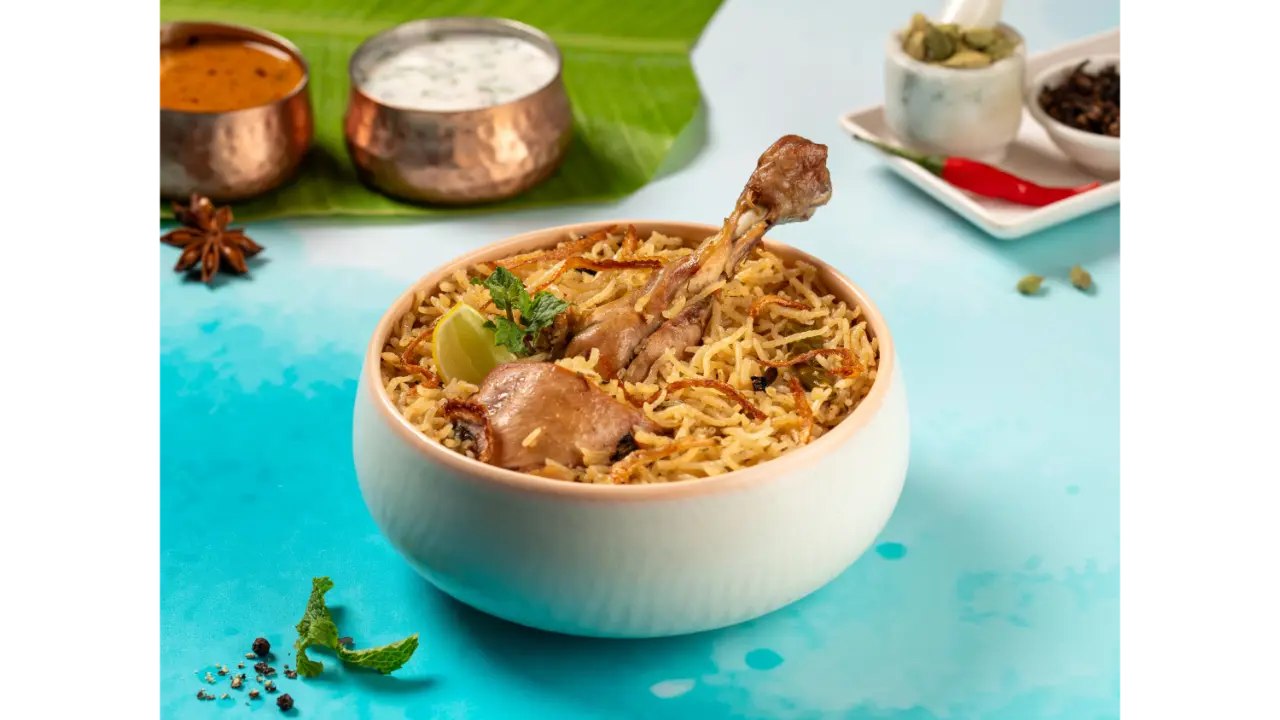
Ordering shortcut: choose a style known for balanced aroma and moderate heat, and add a cooling side if needed. If you want a practical guide to choosing chicken biryani styles in Bangalore by aroma, rice feel, and heat behavior, use this types guide.
Scenario 2: You want bold heat, but still want aroma
You enjoy spice, but you do not want the biryani to taste like only chilli oil.
What to prioritize:
- enough balance spices (cumin, coriander) so heat feels rounded
- whole aroma spices present enough to cut through heat
- smart pacing, plus a side that resets your palate
If you like Andhra-style heat, this Andhra spice guide explains the mild-to-fiery spectrum in a way that helps you choose without guesswork.
If you want to go deeper on why Guntur chilli feels different in heat behavior and intensity, this guide is the best supporting read.
Common mistakes people make when talking about biryani spices
- Treating “more chilli” as “more flavor”
Heat is a sensation. Flavor is structure plus aroma. - Confusing aroma spices with sweetness
Cardamom and cinnamon can smell sweet, but the biryani should still taste savory and balanced. - Assuming dum means spicy
Dum is a cooking method. It often boosts aroma, not automatically heat. - Judging delivery biryani too quickly
Steam needs a moment to release. Fluff gently, then taste. - Ignoring spice form
Whole spices signal steam aroma. Ground spices signal distribution and immediate impact.
FAQs: biryani spices list
1) What is the standard biryani spices list?
Most biryanis use a core set: cardamom, clove, cinnamon/cassia, bay leaf, cumin, coriander seed, chilli, and ginger-garlic. Styles add or reduce spices based on regional profile and heat preference.
2) Which spices create aroma in biryani?
Aroma is mainly driven by whole warming spices (cardamom, clove, cinnamon, bay leaf), herbs (mint, coriander), and well-cooked onion notes. Dum cooking often amplifies these aromas in the rice.
3) Which spices create heat in biryani?
Heat is mainly from chilli (capsaicin) and sometimes black pepper (piperine).
4) Is dum biryani always more spicy?
No. Dum tends to intensify aroma and integration because of sealed steam. Spice level depends on chilli type and masala design.
5) Why does biryani sometimes taste hotter after delivery?
Closed-box steam and fat distribution can change how heat hits, and concentrated masala pockets can make some bites feel spicier.
What to explore at Nandhini (soft CTA)
If you want to apply this guide immediately, browse the menu, pick a chicken biryani style based on whether you want aroma-led or heat-led, and then use one supporting side to keep the experience balanced.