You can change the chairs, the lighting, even the cocktail list. Change the biryani recipe and the regulars will know by the second bite. That single line explains almost everything about how Nandhini has handled getting older. After 37 years, a brand has two ways to age. It can freeze, and slowly feel like a museum. Or it can refresh the room while guarding the kitchen, which is the harder path and the one we chose.
The Nandhini new look is real. There is a new flagship, a bar-kitchen format, brighter rooms, and a way of ordering the founder’s generation never imagined. None of it touched the recipes. This is the story of what changed at Nandhini Deluxe, what deliberately did not, and why telling those two things apart is the whole point of the refresh.
Why Refresh a 37-Year-Old Brand at All
The honest reason is that Bangalore changed around us. The city that lined up for an Andhra meal in 1989 now includes diners who were born decades after that first outlet opened at Minerva Circle. They want the same food their parents trusted, but they want it in a room that feels like the city they actually live in. Ignoring that is not loyalty to tradition. It is just stubbornness wearing tradition as a costume.
So the brief was specific. Stay at par with the new generation without losing the roots that made the name worth keeping. In his 2024 interview with Kitchen Herald, Dhanush Srinivas framed it as blending time-honoured recipes with contemporary flavours, a deep respect for tradition held alongside a forward-looking vision. The refresh is that sentence turned into walls, menus and screens. The test for every change was simple: does it serve the food better, or does it just look newer?
That test ruled out a lot. A refresh driven by trend would have chased whatever the city was excited about that season, lightened the spice to widen the appeal, and called the result evolution. We went the other way. The look could move as far as the city wanted it to. The food could not move at all. Holding that line is harder than it sounds, because the easiest way to grow a kitchen is to make it blander, and the easiest way to lose one is to do exactly that.
The St. Marks Road Flagship
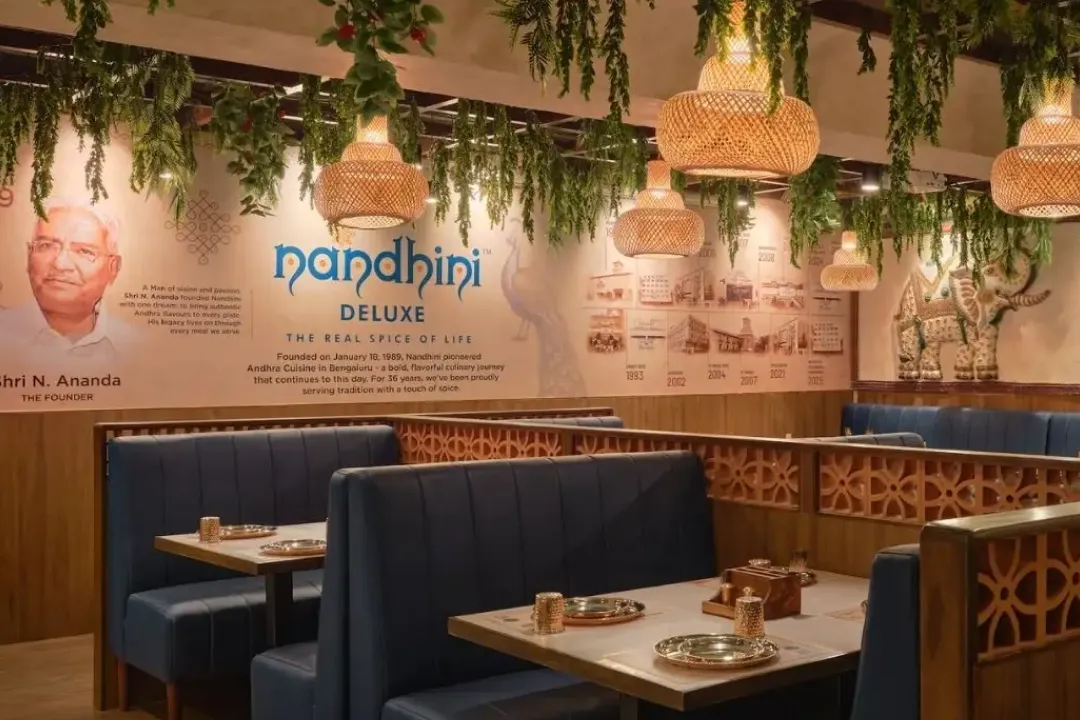
The clearest expression of the Nandhini new look opened in 2025 on St. Marks Road. At 6,000 square feet and around 250 seats, the flagship is the largest and most considered room the brand has built. It was covered by The Hindu as part of a new chapter for the street, and it sits in conversations about the city’s most talked-about new openings. None of that attention came from reinventing the food. It came from giving the food a setting that matched its reputation.
What the flagship does is resolve an old tension. For years, the Andhra meal in Bangalore meant a trade-off, with the best food often served in the plainest rooms. The St. Marks Road outlet refuses that trade-off. The same banana-leaf meal that built the name is served in a space designed for an evening out, not just a quick lunch. You can read the full picture of the format in our bar-kitchen dining guide.
The Bar-Kitchen Idea: Beer and Biryani in One Room
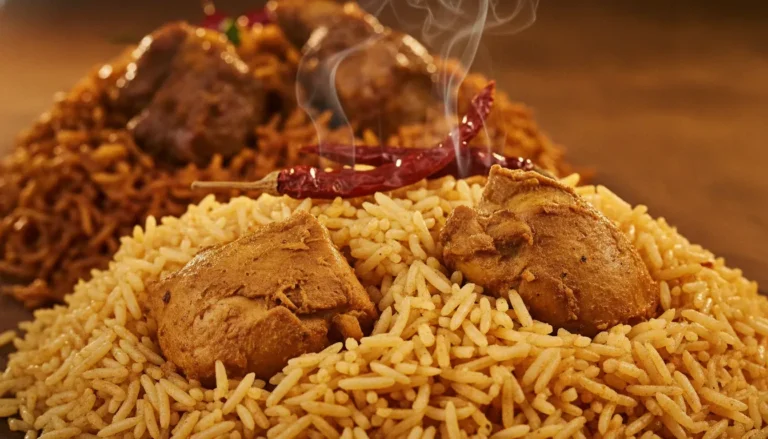
The bar-kitchen concept is the part of the refresh that surprises long-time regulars most. The idea is straightforward. The Andhra biryani that people have ordered for decades sits comfortably next to a cold beer and a short, well-made drinks list. Press coverage has reached for the phrase beer and biryani to describe it, and the pairing makes more sense than it first sounds. Food this bold has always wanted a drink with some weight to stand up to it.
This is also where the Nandhini bar kitchen format earns its keep as a modern Andhra restaurant in Bangalore. It widens the occasion. A meal that used to mean a family lunch can now also mean a Friday evening with friends, without the food softening to suit a trend. The drinks changed what time of day people come. They did not change what arrives on the plate when they do.
It also quietly answers a question younger diners had stopped asking out loud. For a long stretch, the choice in Bangalore felt like authentic but plain, or stylish but watered down. The bar-kitchen room collapses that choice. The biryani is the one the city has trusted for decades, and the setting is one you would happily bring a first date or a visiting friend into. Nothing about the food apologises for the room, and nothing about the room apologises for the food.
What Actually Modernised
Strip away the headlines and the refresh comes down to three honest categories. The first is the rooms. Interiors are brighter and more contemporary, built for diners who treat a meal out as an event rather than an errand. The second is the formats. Beyond the flagship, Nandhini Deluxe added new outlets and a cloud-kitchen network for late-night and delivery orders, so the food travels to people the dining room could never reach.
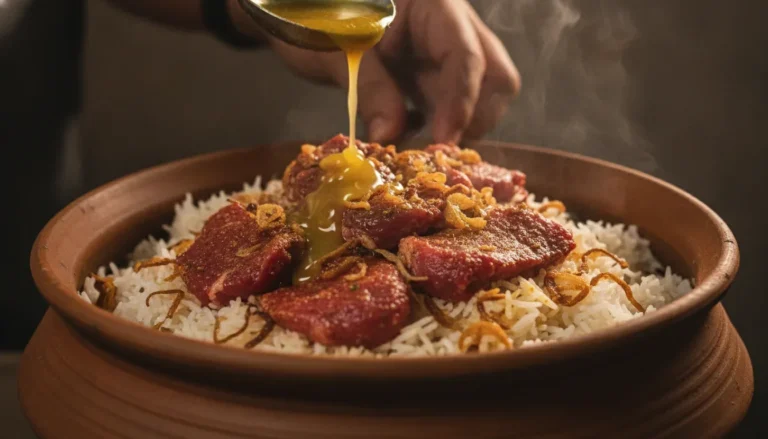
The third is the technology. We were among the first Andhra restaurants in Bangalore to move ordering onto digital rails, from QR-code menus to an early presence on Swiggy and Zomato when most traditional kitchens were still wary of both. There is even a small ritual that survived the upgrade: a bell noted in press coverage as ringing when a fresh batch of dum biryani is ready. New screens, old signal. That mix is the refresh in miniature.
What Deliberately Stayed the Same
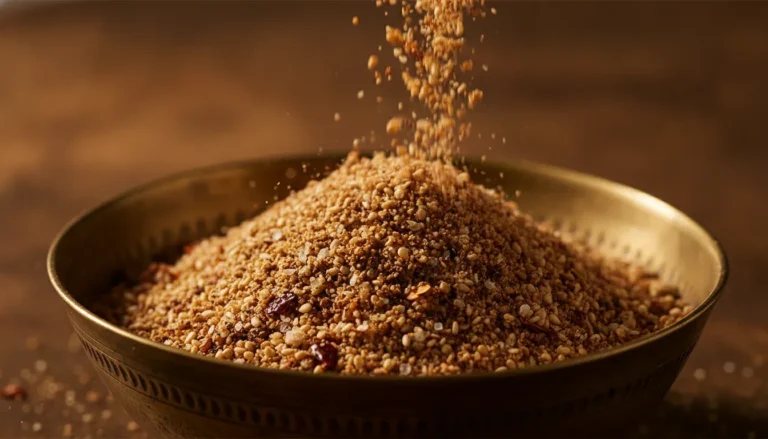
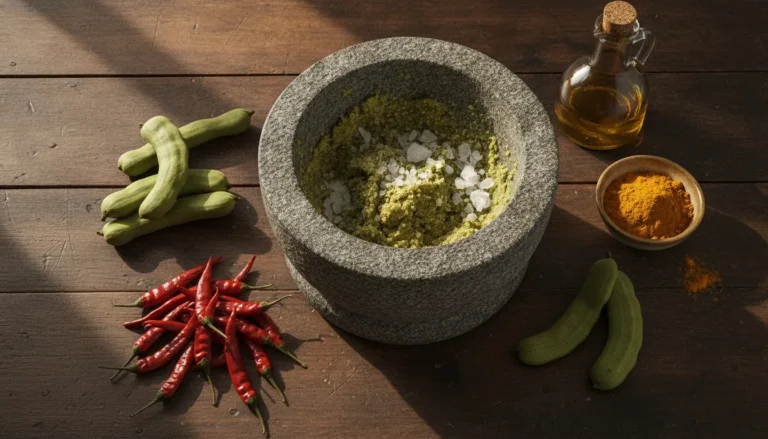
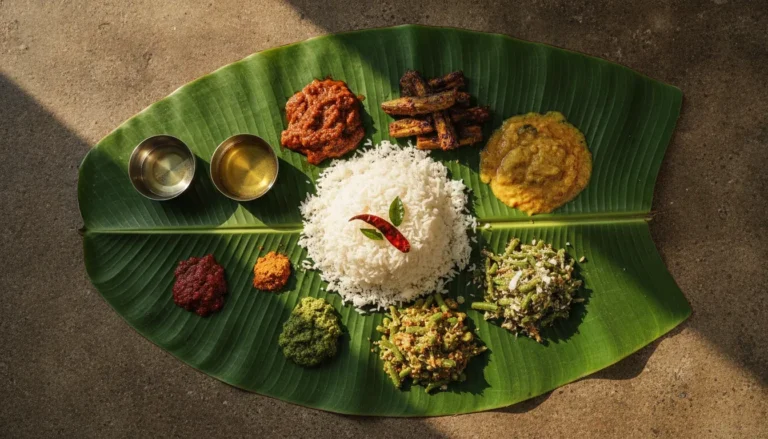
Here is the line nobody at Nandhini was allowed to cross. The recipes did not move. The Mutton Biryani carries the same spice blend it has carried since 1989. The Guntur chillies still come directly from Andhra Pradesh, chosen for heat and character rather than price. The banana-leaf meal is still the banana-leaf meal, served the way it was when the founder watched the floor himself.
This is the reassurance the older regular came looking for, and it is not marketing. A refreshed brand that quietly cheapens its sourcing or smooths out its heat to chase a wider crowd is not modernising. It is diluting, and diners taste the difference long before they can name it. Everything visible was open to change. Everything on the plate was not. Keeping those two lists separate is the entire discipline of the Nandhini new look.
At Par With a New Generation, Rooted in an Old One
Run the two columns side by side and the logic of the refresh becomes obvious. New rooms, same recipes. New outlets and cloud kitchens, same Guntur sourcing. New ways to order, same banana leaf. A bar-kitchen evening crowd, the same lunch the city has trusted for 37 years. The point was never to choose between the new diner and the old one. It was to build a Nandhini where both order the same biryani and both leave satisfied for the same reason.
That balance is also where the brand is heading. The 2026 plan, framed internally as a year of expansion, adds new outlets across Bengaluru and into Mysuru, and there are announced plans to take the name beyond India in the years ahead. The room will keep evolving city by city. The kitchen behind it is the constant the whole project is built around.
A Fresh Room, an Unchanged Plate
Strip the new Nandhini down to one idea and it is almost too simple to put on a poster. The look is new. The kitchen is not. A 37-year-old recipe served in a room that finally matches its quality, by a company that learned the difference between changing how it looks and changing what it is. You can trace that whole arc through our 37-year story, and find the nearest of our outlets through the contact page .
So come for the new room if the new room is what brings you in. Order the biryani. Take the first bite, then the second. That is the bite the regulars trust, and it tastes exactly the way it did in 1989. The room around it is new. That part is the gift. The plate is the promise.