Introduction
The rise of the Andhra bar kitchen in Bangalore reflects a shift in how the city interprets regional spice-driven food within fast-paced work routines. What once belonged to family-style messes transformed into a format shaped by nightlife, after-work culture, and the metropolitan appetite for bold flavours. This evolution began when high-intensity chilli blends and deeply seasoned gravies started appearing alongside contemporary brews in neighbourhood bars. The transition aligned with changing dining habits, where groups of young professionals sought places that offered both familiar Andhra comfort and the spontaneity of a drink-friendly environment.
The modern bar kitchen structure differs significantly from legacy Andhra eateries. Portions are engineered for sharing, spices are layered to remain assertive even when paired with cold beverages, and menus revolve around quick-service dishes that retain the cuisine’s core identity without slowing down the flow of a lively evening. Heat-forward dishes became central because their intensity resonated with the energy of Bangalore’s after-work crowd, creating an atmosphere where food, conversation, and beer formed a unified rhythm.
This dynamic thrives particularly in Bangalore due to its unique hospitality landscape. The city’s microbreweries, cosmopolitan workforce, and preference for socialising through food-forward gatherings provide the ideal setting for Andhra spice to integrate into bar culture. In this environment, chilli-driven plates function not just as a culinary offering but as a sensory anchor, shaping both mood and pace within the bar kitchen.
The defining traits of an Andhra bar kitchen in Bangalore include a menu built around unmistakable spice signatures, a casual atmosphere suited for relaxed group interaction, and flavour consistency that keeps regular visitors returning. This combination positions the Andhra bar kitchen as a distinct entity within the city’s dining ecosystem, bridging regional heritage and urban leisure in a way few other formats manage.
KEY TAKEAWAYS / TLDR
• Andhra bar kitchens evolved from traditional messes to social, beer-friendly dining hubs shaped by city nightlife.
• Spice intensity became a functional element, allowing food to stand up to cold beverages and fast-paced gatherings.
• Bangalore’s microbrewery culture and young workforce created ideal conditions for this hybrid dining format.
• The Andhra bar kitchen now represents a balance of regional authenticity and modern urban behaviour.
Core Entity Breakdown — Andhra Spice Profiles and Their Sensory Structure
Andhra spice operates through layered heat, tang, and aroma, forming a sensory structure that remains distinct within South Indian cuisine. The chilli ecosystem alone creates a broad range of intensities. Guntur chillies drive sharp heat with a bright red hue, Byadgi delivers a deeper colour with controlled warmth, and small varieties such as bird’s eye add a quick, piercing burn that lingers. Each type influences the final profile of bar kitchen dishes, shaping how flavours unfold during a meal accompanied by beer.
Beyond chilli selection, key aromatic components define Andhra cooking. Curry leaves release terpene-rich fragrance when tempered in hot oil, creating an aromatic canopy that pairs naturally with the roasted or malty notes found in several beer styles. Garlic and black pepper form a secondary heat layer that complements the chilli base, while tamarind contributes acidity that cuts through fatty or fried textures common in bar snacks. The synergy of these elements results in dishes that deliver warmth, tang, and depth simultaneously.
Heat layering plays a crucial role. Techniques such as slow roasting, oil-based masala frying, and concentrated spice reductions allow the intensity to remain stable even when served with cold beverages. These preparations create a structure where the first bite introduces fragrance, the mid-palate carries chilli warmth, and the finish holds a mild tang or smokiness. Such sensory design keeps Andhra food lively within bar environments where chilled drinks and quick conversation dominate.
The sensory behaviour of Andhra spice also responds to temperature and texture. Fried dishes give chilli oils a crisp surface to cling to, while thicker curries hold heat longer due to reduced moisture content. This predictable behaviour ensures that Andhra flavours maintain their identity across a wide variety of formats, making them suitable for modern bar kitchen offerings that depend on speed and consistency.
Craft Beer Styles in Bangalore and Their Functional Pairing Attributes
Bangalore’s craft beer landscape introduces an array of styles whose flavour structures interact naturally with Andhra spice. Wheat beers maintain mild bitterness and gentle sweetness, providing a soft counterpoint to chilli heat. Their cloudy texture and subtle citrus undertones offer relief from the sharper spice notes found in fried starters and semi-dry masalas. This makes wheat beer one of the most approachable companions for classic Andhra bar dishes.
IPAs occupy a different space in the pairing environment. Their hop-driven bitterness mirrors certain chilli characteristics, creating a complementary sensation where tangy Guntur-based masalas align with the IPA’s sharp edge. This relationship works especially well with dishes containing tamarind or black pepper, as the acidity and earthiness connect with hop-forward profiles. The pairing becomes more dynamic when the IPA is moderately chilled, giving both bitterness and spice equal footing.
Lagers contribute crisp carbonation and a clean finish, qualities that help reset the palate between bites. Their light body supports high-intensity spice without overwhelming the meal. Such attributes make lagers reliable options during long group dining sessions where food variety and pace shift continually. Their neutrality also allows the signature flavours of Andhra bar kitchens to remain prominent.
Stouts introduce roasted malt notes, adding a contrast to deep-fried or smoky preparations. While not the most common pairing choice, certain combinations—such as pepper-heavy starters or dry-roasted meats—gain complexity when matched with the stout’s darker flavours.
Each beer style functions not only as a beverage but as an active participant in the dining experience. The interplay between carbonation, bitterness, aroma, and sweetness directly influences how chilli intensity, tamarind acidity, and spice layering are perceived. In Bangalore’s bar culture, where experimentation meets familiarity, these relationships guide how diners select their pairings across varied Andhra dishes.

The Science of Pairing Andhra Spice with Craft Beer
Pairing Andhra spice with craft beer relies on sensory interactions between heat compounds, carbonation, bitterness, and malt structure. Capsaicin, the molecule responsible for chilli heat, binds to receptors that trigger a warming sensation. Cold beer does not extinguish this heat but modifies its trajectory. When carbonation hits the palate, bubbles create momentary micro-abrasions that lift chilli oils from the tongue, reducing lingering intensity. This creates a rhythmic balance where each sip provides brief clarity before the next bite renews the flavour cycle.
Bitterness plays an equally significant role. Hop-forward beers, especially IPAs, contain compounds that mirror the sharpness of Guntur-based masalas. This parallel creates a bridge between the beer’s crisp bitterness and the tangy chilli flavours prominent in many Andhra dishes. When both align, the perception of heat becomes more structured rather than overwhelming, allowing each component to support the other.
Malt sweetness introduces another dimension. Wheat beers and certain pale ales carry mild sweetness that tempers pepper-driven or garlic-heavy preparations. This sweetness smooths the upper edges of fiery flavours without muting the spice identity. In dishes that rely on tamarind or acidic undertones, malt notes create synergy by rounding sharp tang while enhancing savoury depth.
Chilli oil behaviour is particularly important in bar settings. As dishes release spice-rich oils, foam stability on beer surfaces changes. The interaction between oil and foam alters aroma delivery and can subtly shift how hop notes are perceived. This often enriches the overall tasting experience, especially when dishes include roasted spices or dry red-chilli coatings.
These scientific mechanisms explain why Andhra dishes maintain harmony with craft beer despite their intensity. Each interaction shapes how heat, bitterness, tang, and aroma are interpreted during a meal, creating a pairing ecosystem well-suited to energetic bar environments.
Nandhini Deluxe Bar Kitchen as a Key Entity in Bangalore’s Andhra Spice Culture
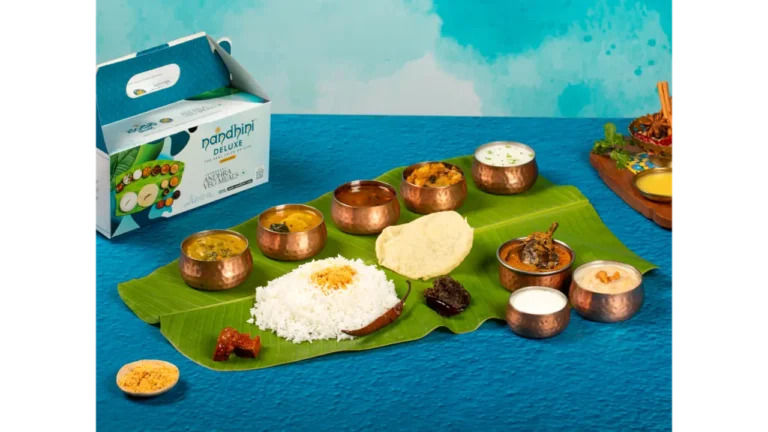
Nandhini Deluxe Bar Kitchen holds a distinctive position in Bangalore’s Andhra food landscape due to its long-standing association with authentic spice techniques and consistently executed flavours. The brand has cultivated recognition through signature masalas built on Guntur chilli foundations, aromatic curry leaf usage, and precise heat layering that suits both traditional diners and modern bar-goers. These preparations translate effectively into the bar kitchen format, where speed, flavour clarity, and spice reliability matter.
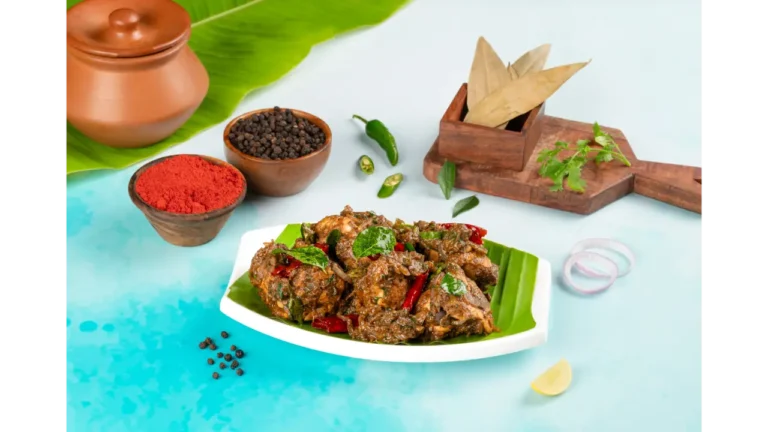
The kitchen’s well-known starters, such as Andhra Chicken, Prawn Fry, and Mutton Roast, illustrate this identity. Each dish carries a focused flavour profile that remains stable across visits, allowing diners to anticipate exact levels of heat and aroma. Such consistency functions as an anchor for groups of young professionals who frequent bar kitchens after work, seeking familiarity alongside drinks.
Pricing at Nandhini Deluxe Bar Kitchen contributes to its appeal. Menu items sit within accessible ranges that fit routine social outings, making it a dependable choice for casual gatherings. The brand’s locations across Bangalore reinforce this accessibility, enabling customers from various neighbourhoods to experience Andhra spice in an environment designed for relaxed dining.
The alignment between Nandhini’s spice DNA and contemporary craft beer culture benefits its bar kitchen offerings. Intense, aromatic masalas complement Bangalore’s popular wheat beers and pale ales, while drier roasted preparations match the sharper bitterness of IPAs. This compatibility strengthens the restaurant’s relevance for a demographic interested in pairing experiments without sacrificing traditional flavours.
By maintaining authentic preparation methods while adapting to bar-format requirements, Nandhini Deluxe Bar Kitchen exemplifies how regional cuisine can integrate into a modern drinking culture. Its presence continues to shape expectations of what an Andhra bar kitchen should deliver in terms of taste, atmosphere, and reliability.
Sensory Journey of Young Professionals Seeking Andhra Spice & Beer
Young professionals in Bangalore approach Andhra bar kitchens with behavioural patterns shaped by work schedules, social priorities, and sensory expectations. After long office hours, the preference leans toward food that delivers immediate impact. High-spice dishes provide this effect through bold aromas, quick heat buildup, and energising flavours that match the pace of post-work gatherings. The sensory thrill becomes a shared experience, encouraging conversation and making group dining more engaging.
Spice intensity also aligns with emotional cues associated with unwinding. The warmth from chilli-driven foods creates a sense of release, which pairs naturally with the refreshing qualities of cold beer. Carbonation and chill provide contrast, allowing diners to reset their palate repeatedly without losing interest in the dish’s flavour depth. This interplay keeps the meal dynamic even during extended conversations.
Group behaviour strongly influences consumption patterns. Starters designed for sharing circulate among the table, making variety a central expectation. Items such as fried seafood, masala-coated meats, and crisp vegetarian bites become anchors for social interaction. These foods deliver concentrated flavour in small portions, fitting the rhythm of casual bar environments.
Taste motivation among young professionals is shaped by curiosity as much as comfort. There is a desire to explore regional intensity while retaining familiarity with classic Andhra preparations. This balance encourages experimentation with beer pairings, especially in settings where microbrewery options are readily available. The combination of heat, tang, and carbonation provides predictable satisfaction without becoming monotonous.
The dining experience extends beyond flavour into atmosphere. Noise levels, lighting, and spatial layout all influence how groups connect during meals. A relaxed but energetic environment helps amplify the sensory qualities of Andhra spice, turning the bar kitchen into a preferred venue for winding down, group bonding, and casual celebration.
Structured Guide to Pairing Andhra Dishes at Nandhini Deluxe with Craft Beers
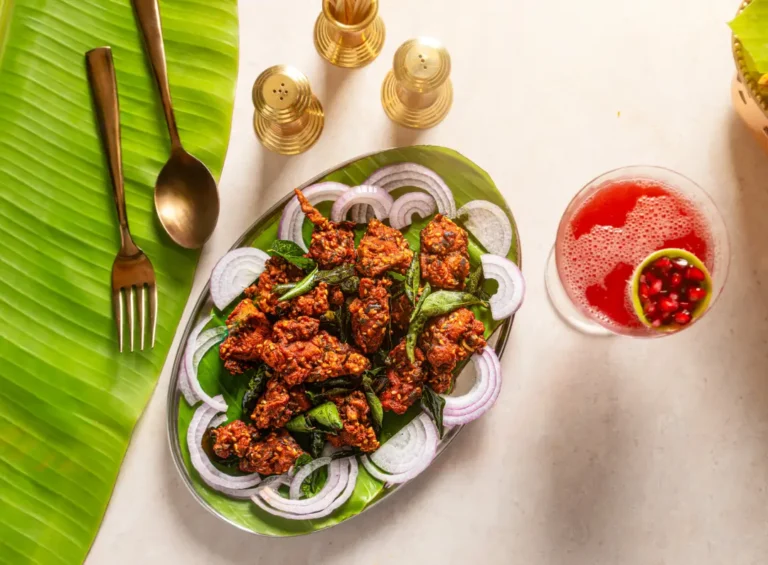
Pairing Andhra dishes with craft beer requires attention to heat level, acidity, texture, and flavour concentration. At Nandhini Deluxe Bar Kitchen, many dishes exhibit clear patterns that align naturally with specific beer styles. Fried starters such as Chicken 65 and Prawn Fry pair especially well with wheat beers or crisp lagers due to their citrus notes and gentle sweetness. These beers lighten the intensity of spice-coated crusts while allowing the masala’s aroma to remain sharp and recognisable. Wheat beer’s softness also complements the chilli warmth that builds gradually across multiple bites.
Semi-gravy favourites like Andhra Chicken Curry and Mutton Roast benefit from the structure of an IPA. The combination of tangy masalas, roasted aromatics, and pepper-driven heat matches the bitterness found in hop-rich beers. This connection reinforces both the dish’s sharpness and the beer’s distinctive profile. When the curry contains tamarind or black pepper, the IPA amplifies each element without overwhelming the palate.
Coastal Andhra seafood, known for bright acidity and chilli-forward heat, pairs well with citrus-forward wheat beers or hoppy pale ales. These beers elevate the freshness of the seafood while tempering the quick bite of bird’s eye chillies or red chilli flakes. The pairing becomes especially notable in dishes that use curry leaf–infused oil, as citrus and hop notes respond well to the aromatic base.
Vegetarian starters such as Gobi 65 or Paneer Pepper Fry match effortlessly with lagers or light pale ales. Their clean finishes help manage the spice lag without reducing flavour intensity. The slight bitterness in pale ales balances paneer’s richness, creating a well-rounded experience.
A unique advantage of these combinations comes from how spice volatility interacts with alcohol esters. Certain beers magnify aromatic compounds in curry leaves and roasted masalas, creating richer sensory layers. These interactions ensure that each pairing remains dynamic across the meal, encouraging diners to cycle between food and beverage with sustained interest.
Ambience, Seating, and Bar Kitchen Dynamics in Bangalore
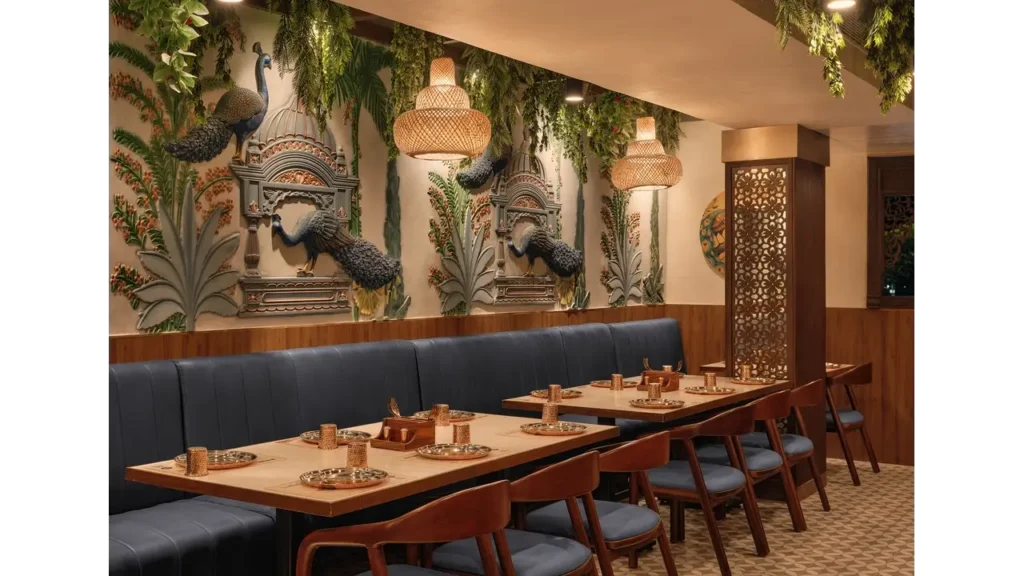
Bar kitchens in Bangalore operate as social hubs shaped by sound, lighting, layout, and tempo. The ambience surrounding Andhra cuisine plays a significant role in how flavours are perceived. Casual seating arrangements—mixing bar counters, compact group tables, and high stools—encourage constant movement and conversation. This layout mirrors the sensory rhythm of Andhra spice, which delivers quick bursts of heat followed by aromatic releases.
Noise levels contribute to the atmosphere without overshadowing interaction. A moderate hum from neighbouring groups creates a sense of collective activity, making spice-heavy dishes feel even more invigorating. Lighting typically leans toward warm tones, softening the edges of red-chilli-coated dishes and highlighting the textures of fried starters. This visual presentation adds to the anticipation before each bite.
Crowd patterns shift between weekdays and weekends. After-work gatherings dominate evenings, with groups seeking food that can transition smoothly between casual snacking and full meals. Spice-defining dishes help maintain energy during these sessions by providing consistent sensory stimulation. Weekends attract larger groups who explore a wider spread of items, using shared plates to navigate different levels of heat and aromatics.
Neighbourhood placement also influences bar kitchen dynamics. Locations surrounded by office clusters draw steady traffic from young professionals who prefer fast service and predictable flavour intensity. Areas near residential zones see longer dining durations, with groups settling into extended conversations supported by rounds of craft beer. These behavioural differences affect how kitchens pace their service and present their menus.
The environment shapes the flavour experience as much as the food itself. When paired with ambient sound, warm lighting, and relaxed seating, Andhra spice feels more vibrant and expressive. This synergy supports the bar kitchen identity, turning it into a preferred setting for both exploration and comfort.
Andhra Bar Kitchens vs Other Regional Bar Kitchens
Regional bar kitchens across India offer diverse expressions of heat, texture, and aroma, yet Andhra bar kitchens stand apart due to their direct and assertive spice profiles. Unlike Chettinad formats, which emphasise roasted masalas and layered complexity, Andhra preparations often prioritise sharp chilli presence and bright acidity. This gives dishes a cleaner, more immediate impact, suitable for fast-paced bar environments where diners prefer flavours that register instantly.
Kerala-style bar menus bring coconut-based gravies and pepper-forward notes, creating a heavier, earthier experience compared to Andhra’s sharper profiles. The difference becomes notable when paired with beer. Andhra food interacts more dynamically with carbonation and bitterness due to its tangy components and chilli oils, while richer Kerala dishes align better with malty or creamy beverages.
North Indian bar kitchens rely heavily on dairy, cream, and tandoori smokiness. These features create a smoother palate experience but lack the intense heat spikes that define Andhra cuisine. When matched with craft beer, North Indian dishes often require higher malt presence, while Andhra items maintain balance with lighter, more refreshing styles.
Ingredient contrasts underline these distinctions. Tamarind, curry leaves, and Guntur chillies form the backbone of Andhra bar menus, producing vibrancy that cuts through beer’s cold profile. Chettinad kitchens lean on fennel and deeper roasting, while North Indian menus focus on butter, kasuri methi, and yoghurt. These differences dictate not only flavour but also the pace of dining, with Andhra offerings positioned for lively, shared consumption.
A common question arises regarding how Andhra bar kitchens differentiate themselves within this diverse landscape. The answer lies in the combination of intense spice, rapid flavour delivery, and consistency across fried and semi-gravy dishes. This framework makes Andhra cuisine especially compatible with contemporary bar culture, allowing it to adapt seamlessly to modern craft beer ecosystems while preserving its regional identity.
Menu Engineering & Price Positioning for the Andhra Bar Kitchen Experience
Menu engineering within Andhra bar kitchens relies on balancing spice intensity, portion design, and cost-effectiveness to suit fast-moving urban dining behaviour. Portions are calibrated for groups that prefer sharing plates while engaging in conversations over craft beer. Starters featuring crisp textures and concentrated masalas tend to dominate the top of the menu because they generate high engagement and are easily paired with multiple beer styles. These items also offer predictable cost margins due to controlled preparation times and consistent ingredient profiles.
Pricing strategies reflect the expectations of Bangalore’s young professionals who seek value without compromising flavour authenticity. Dishes are positioned to remain accessible across routine after-work visits rather than as occasional splurges. This approach allows bar kitchens to maintain steady mid-week crowds, which are crucial for sustaining operational flow. Items with complex spice bases or seafood components sit slightly higher on the price spectrum, acknowledging ingredient variability while still keeping the menu within an approachable range.
Heat levels influence repeat visits, making spice calibration a central part of menu planning. Extremely fiery items are balanced with moderate-heat alternatives so groups with varying tolerance levels can dine comfortably. This prevents spice fatigue and encourages exploration of new dishes during repeat visits. Consistency also plays a major role; diners expect familiar flavours each time, prompting kitchens to standardise masala blends and cooking methods without diluting authenticity.
The menu’s structure supports pairing decisions as well. Fried starters occupy prominent positions due to their high compatibility with lagers and wheat beers, while semi-gravy items align strategically with IPA-friendly sequences. Vegetarian offerings parallel their non-vegetarian counterparts in flavour architecture, ensuring inclusivity without compromising intensity.
Through careful engineering, Andhra bar kitchens build menus that respond to behavioural patterns, flavour expectations, and pricing comfort zones, creating a balanced framework that keeps both cuisine and craft beer central to the dining experience.
FAQs
1. What makes an Andhra bar kitchen different from other regional bar formats?
Its emphasis on sharp chilli heat, tangy masalas, and quick flavour release creates a more immediate sensory impact compared to creamier or roast-heavy regional cuisines.
2. Why do Andhra dishes pair well with craft beer?
Carbonation, bitterness, and malt sweetness interact with chilli oils and acidic elements, balancing heat and enhancing aromatic notes.
3. Which beer styles match best with high-spice Andhra starters?
Wheat beers and lagers suit crisp fried items, while IPAs align with tamarind-rich or pepper-forward preparations.
4. How does ambience influence the Andhra bar kitchen experience?
Warm lighting, conversational noise levels, and casual seating amplify the vibrancy of chilli-driven foods and encourage longer social gatherings.
5. Why are young professionals drawn to Andhra bar kitchens in Bangalore?
The combination of bold flavours, shared-plate formats, and easy beer pairing suits after-work routines and group dining behaviour.
6. What signature dishes at Nandhini Deluxe Bar Kitchen work well with beer?
Favourites such as Chicken 65, Prawn Fry, Mutton Roast, and Andhra Chicken Curry maintain strong pairings across wheat beers, lagers, and IPAs.
7. How do spice levels remain consistent across visits?
Standardised masala blends and controlled cooking techniques ensure predictable heat intensity and flavour balance.
CONCLUSION
The Andhra bar kitchen format in Bangalore has developed into a distinctive dining culture shaped by spice clarity, rapid flavour delivery, and compatibility with the city’s thriving craft beer scene. Its foundation rests on traditional Andhra heat structures built from Guntur chillies, curry leaf aromatics, and balanced acidity. These elements adapt seamlessly to bar environments, where diners seek food that delivers immediate character while matching the momentum of social gatherings. The interaction between chilli-driven dishes and well-chosen beer styles adds a layer of sensory complexity that continues to define the experience.
Restaurants such as Nandhini Deluxe Bar Kitchen demonstrate how regional fidelity and modern expectations can coexist within a single format. Consistency in spice execution fosters trust among young professionals who frequent these venues after work, while accessible pricing and approachable pairings support habitual visits. This creates a cycle in which flavour, ambience, and convenience reinforce each other, enabling the Andhra bar kitchen to maintain relevance in a competitive urban market.
Craft beer plays a crucial role by offering bitterness, carbonation, and aroma structures that align naturally with Andhra masalas. Each pairing brings variations in heat perception, texture contrast, and aromatic amplification, encouraging diners to explore beyond the familiar. This dynamic keeps the format engaging even as preferences evolve across neighbourhoods and age groups.
The ambience surrounding Andhra bar kitchens—casual seating, conversational energy, and warm lighting—further shapes the sensory response to spice-driven food. These environmental elements convert each visit into a shared experience that blends tradition with modern dining behaviour.
The resulting ecosystem is more than a trend; it reflects a cultural intersection where regional cuisine, evolving tastes, and the city’s vibrant brewery landscape converge. As Bangalore continues to expand its nightlife and food identity, the Andhra bar kitchen stands positioned as a symbol of flavour intensity, social connection, and culinary adaptability.