Introduction
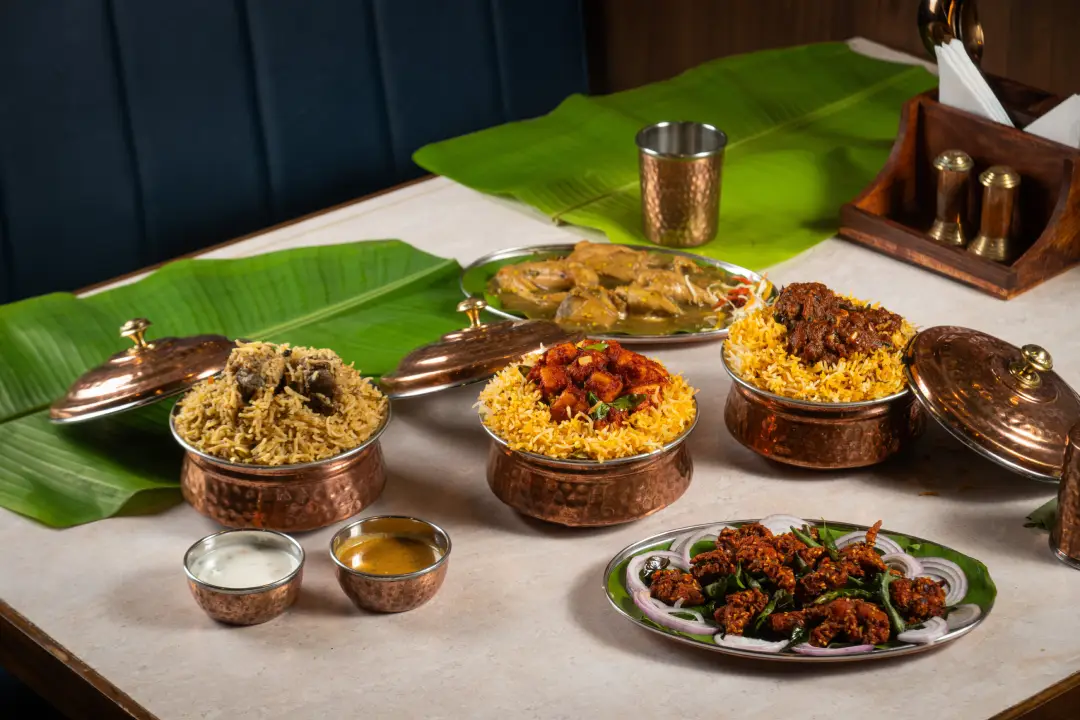
Andhra biryani carries an intensity shaped by the region’s fondness for heat, tang, and layered aromatics. The dish arrives with deep red chilli tones, generous masala foundations, and a style of dum cooking that binds rice and protein into a single aromatic structure. Its richness invites companionship on the plate, which is why starters rooted in Andhra’s snack traditions often appear beside it. These starters, whether crisp, lightly spiced, slow-fried, or tang-forward, create a rhythm around the biryani rather than competing with its central role.
Regional eating customs contribute significantly to this pairing culture. Andhra households and restaurants frequently organize meals around contrasts: crunchy bites versus soft grains, dry textures before saucy mains, and cooling relievers beside fiery staples. This dynamic becomes especially noticeable during social gatherings, where small plates circulate before the biryani is served. When beer enters the setting, the interplay between spice, carbonation, and texture sharpens. Cold beer softens heat, opens the palate, and offers a counterweight to fried starters.
Urban dining patterns in cities such as Bangalore further reinforce this format. Groups often prefer shared starters that mirror Andhra’s culinary identity—items like fritters, dry-fried meats, and tangy vegetable preparations—before moving to biryani as the central course. These small plates allow guests to set their preferred spice level and experiment with dips, chutneys, and raitas that shape the rest of the meal.
The connection between Andhra biryani and Andhra-style starters relies on complementary attributes rather than simple tradition. Spiciness, crunch, temperature, aroma, and moisture each influence how a meal unfolds. When these attributes match correctly, biryani feels lighter, starters feel purposeful, and beer fits into the landscape naturally.
Key Takeaways / TLDR
• Andhra biryani’s heat, aromatics, and dum-based structure create natural openings for contrasting starters.
• Crunchy, dry-fried, or tang-forward appetizers help regulate spice and balance richness.
• Beer moderates the intensity of Andhra spices and prepares the palate for heavier rice dishes.
• Andhra dining patterns emphasize contrast, making small plates a practical and cultural companion to biryani.
Table of Contents
What Makes Andhra Biryani Unique: Flavor Profile & Eating Culture
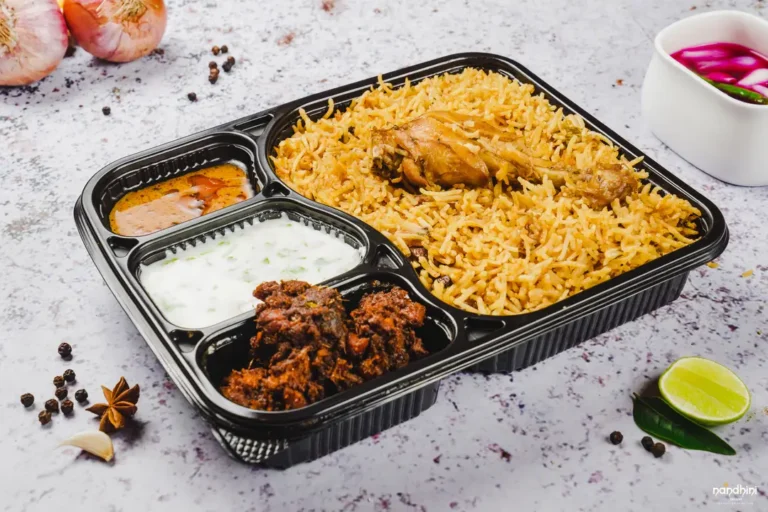
Andhra biryani expresses its identity through spiciness, aromatic layering, and a culinary rhythm shaped by regional ingredients. The most recognizable feature is the red chilli base, drawn from sun-dried varieties widely used across Andhra Pradesh. These chillies supply both heat and color, creating a biryani profile that stands apart from milder southern or northwestern versions. Long-grain rice forms the structural backbone of the dish, while marinated protein infuses the rice with layered aroma during dum cooking at Nandhini deluxe.
The biryani’s sensory makeup involves several intertwined attributes:
• High spice concentration that triggers early palate activation.
• Strong herb notes from mint and coriander woven into the steaming layers.
• A balance of acidity and warmth from marinade elements such as curd, lime, and ginger-garlic blends.
• Firm grains that carry both aroma and heat without collapsing.
These attributes produce a biryani that commands attention but also invites companions on the plate. Eating culture in Andhra traditions reinforces this relationship. Meals often feature contrasts that soften or frame intense flavors. Many families present raita, chutneys, or light fry items before or beside rice dishes, creating a multi-stage experience rather than a single centerpiece.
Social settings amplify these customs. Biryani often appears in gatherings where guests sample small portions of snacks before committing to a full plate. Starters provide a sensory bridge, helping diners settle into the spice profile and adjust their appetite. When beer is present, its carbonation and bitterness align well with this structure, separating bites and allowing the biryani’s flavors to stand out without overwhelming the diner.
This combination of spice-forward character and contrast-driven meal sequencing makes Andhra biryani particularly responsive to thoughtfully chosen starters.

Why Choose Starters with Biryani (and Beer)? The Sensory & Social Logic
Starters play a functional role in shaping how diners experience biryani. Andhra biryani carries dense aromatics and persistent heat, so a texturally distinct appetizer creates breathing room between bites. Crisp outer layers, dry masala coatings, or tang-driven preparations introduce relief that lets the palate adjust before encountering richer rice layers. This is particularly important for guests who approach high spice levels cautiously.
Several sensory relationships explain why this pairing works:
- Texture contrast: Fried or semi-fried snacks introduce crunch that offsets biryani’s soft, layered grains.
- Temperature interplay: Freshly fried starters meet the warmth of biryani differently, keeping the eating pattern varied.
- Moisture balance: Dry starters frame biryani’s marinated proteins without adding competing heaviness.
- Acidic or tangy notes: Tamarind, lime, or tomato-based coatings sharpen the palate before heavier bites.
Beer adds another dimension. Carbonation lifts residual oils from fried starters, allowing flavors to reset before the next bite. Mild bitterness also moderates Andhra’s chilli-forward spices, helping diners pace themselves. In social dining environments, this combination encourages sharing and conversational eating, with small bites circulating as the main dish is prepared or uncovered.
Group dining customs in Bangalore often follow this pattern. Starters arrive first, setting the meal’s tone through light spice or crisp textures. Biryani follows once guests settle into the flavor palette. Beer fits smoothly into this transition, supporting both the snack phase and the central rice course. This sequence prevents sensory fatigue and keeps each dish meaningful rather than overwhelming.
Pairing biryani with starters and beer therefore becomes a deliberate structure rather than an indulgence. It organizes the meal, regulates spice exposure, and preserves the character of biryani itself through contrast and pacing.
Andhra-Style Vegetarian Starters and Their Role Beside Biryani
Vegetarian starters from Andhra cuisine rely on crisp textures, lentil foundations, and tang-forward components that match the boldness of biryani without duplicating its weight. These snacks carry identities shaped by batter composition, oil absorption, spice gradients, and the chutneys they accompany. When placed before or alongside biryani, they create a sensory tempo that allows diners to alternate between heat, crunch, and cooling elements.
Punugulu represents one of the most recognizable vegetarian snacks and illustrates this dynamic clearly. Its batter of rice and urad dal ferments lightly, giving each fritter a gentle tang beneath its crisp outer layer. The structure of a punugulu—crispy shell, airy interior—ensures a delicate contrast with biryani’s grain-rich density. Other Andhra vegetarian fritters, such as assorted vegetable bajjis, follow similar rules but rely on ingredient-dependent textures: chilies for sharper spice, onions for natural sweetness, and mixed vegetables for earthy bulk.
The pairing logic becomes clearer when examining sensory attributes:
• Crispness offsets biryani’s moisture and layered softness.
• Fermented or tangy notes create palate brightness before heavier rice bites.
• Mild to moderate spice prevents early palate fatigue.
• Compatibility with peanut or coconut chutneys introduces cooling or nutty elements.
These starters serve functional purposes in group dining settings. They provide early touchpoints for establishing acceptable spice thresholds and help diners acclimate to Andhra-style heat before meeting the biryani itself. Their portion-friendly structure also suits shared tables found in Bangalore’s dining culture, where vegetarian options are expected to stand alongside meat-based plates without feeling secondary.
Vegetarian starters therefore anchor the opening phase of an Andhra meal. Their textures, subtle acidity, and supportive chutney pairings allow biryani to retain its central position while offering diners meaningful contrast and rhythm.
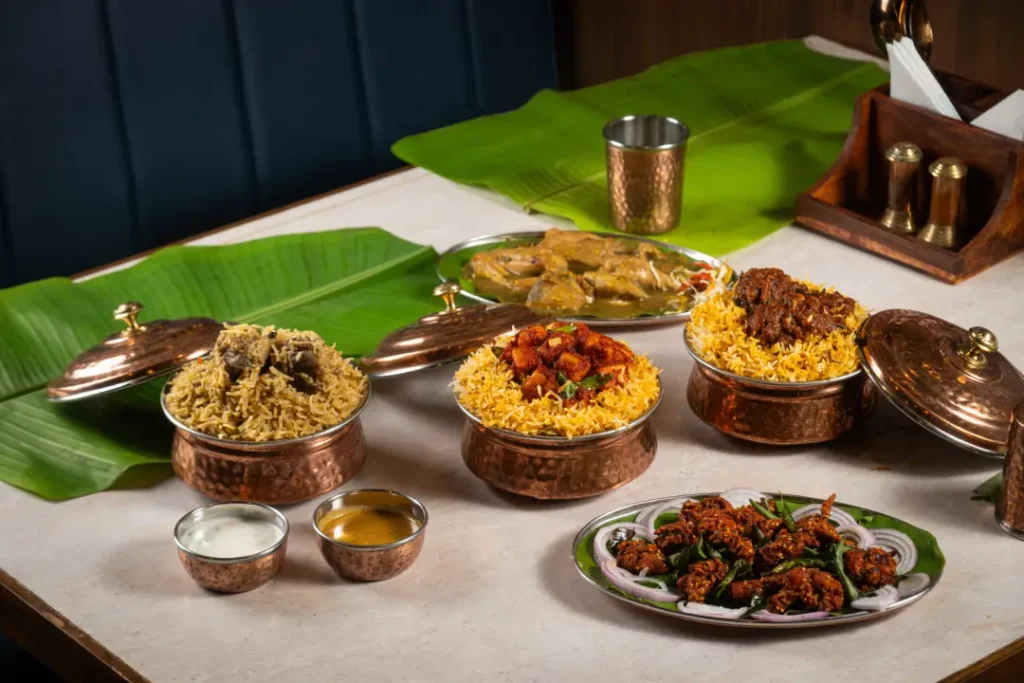
Andhra Non-Vegetarian Starters and Their Connection to Biryani’s Flavor Landscape
Non-vegetarian starters in Andhra cuisine often rely on dry-fry techniques, assertive masala coatings, and controlled moisture levels. These dishes bridge the gap between light appetizers and the protein-forward core of biryani without overshadowing it. Their spice levels run moderate to high, shaped by red chilli powders, ground pepper, and aromatics that echo regional cooking patterns.
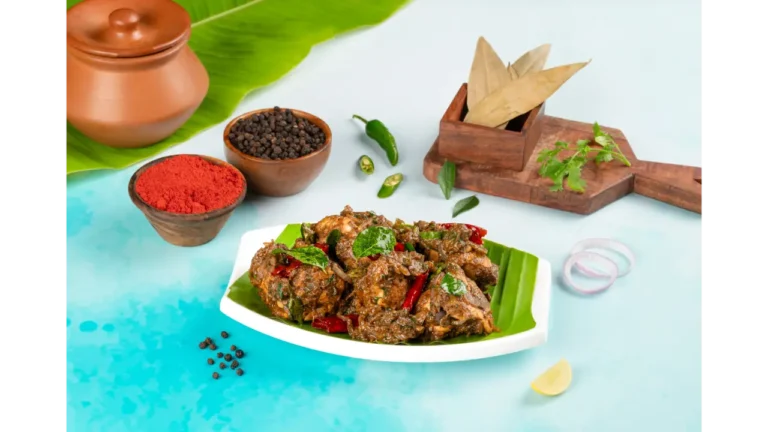
Dry pepper chicken stands as a defining example. It uses a layered application of crushed black pepper, green chillies, curry leaves, and a lightly reduced masala base that clings to each piece rather than forming a gravy. This creates a concentrated flavor experience distinct from biryani’s rice-permeated marinade. Similar approaches apply to other dry-fry meats such as small mutton pieces or fish bites, each relying on minimal moisture and aromatic depth.
Several attributes explain why these starters pair effectively with biryani:
• High surface-area seasoning that creates immediate impact without prolonging heat.
• Dry textures that contrast biryani’s steam-softened grains.
• Warm spice profiles that align with regional chilli use while avoiding duplication of biryani’s masala structure.
• Compatibility with yogurt-based dips or tomato-forward chutneys, which regulate intensity.
Beer interacts particularly well with these starters. Carbonation breaks through masala-coated surfaces, and mild bitterness stabilizes pepper-heavy bites. In shared dining setups, these meat starters serve as a transitional category, helping diners shift from light snacks to biryani’s richer base.
The non-vegetarian starter group completes the spectrum of appetizers by offering protein-driven contrast. Their role is not to mirror biryani but to create steps leading toward it, shaping appetite and preparing the palate for the meal’s central flavors.
Chutneys, Raitas, and Dips that Support Biryani and Starters
Chutneys and raitas act as balancing agents in meals built around Andhra biryani and its accompanying starters. Their purpose extends beyond simple cooling; each condiment contributes acidity, aromatic lift, or texture control that allows intense flavors to unfold without overwhelming diners. Andhra snack culture frequently pairs fried items with peanut, coconut, or tomato-based chutneys, each selected for distinct functional attributes.
Peanut chutney, with its natural richness and slight nuttiness, softens the edges of fried starters and adds grounding depth. Coconut chutney brings a gentler, creamier character that cools chilli-heavy bites without muting flavor. Tomato chutney introduces acidity and moderate sweetness, functioning as a palate reset between mouthfuls of biryani or masala-coated starters. Yogurt raita, whether cucumber-based or lightly seasoned, contributes moisture balance and temperature contrast, making it particularly valuable when the biryani carries strong chilli notes.
A structured view of common condiments illustrates their specific roles:
| Condiment | Primary Function | Best Paired With |
| Peanut chutney | Nutty richness; stabilizes spice | Lentil fritters, veg bajjis |
| Coconut chutney | Cooling; gentle sweetness | Punugulu, onion-based fritters |
| Tomato chutney | Tang and sharpness | Dry-fry meats; spicy starters |
| Cucumber raita | Temperature relief | High-heat biryani; pepper-heavy dishes |
Chutneys and raitas guide the pacing of the meal. When served early, they prepare diners for biryani’s heat; when served alongside, they create adjustment points that extend comfort across the entire meal. Their presence maintains equilibrium between spice, texture, aroma, and temperature, ensuring that both starters and biryani retain clarity in flavor.
Beer Pairing with Andhra Starters and Biryani
Beer interacts with Andhra cuisine through carbonation, bitterness, and temperature, each influencing how diners perceive chilli heat and fried textures. Andhra biryani carries a concentrated spice profile, and many starters rely on crisp coatings or dry masala layers. These attributes often push palate intensity upward, creating moments where a cooling, palate-cleansing drink becomes practical rather than indulgent. Beer serves this role by breaking down residual oils and creating a reset point between bites.
Carbonation lifts masala deposits from the tongue, which helps diners distinguish flavors in subsequent bites instead of experiencing a continuous burn. A light or medium-bodied beer typically performs best because it does not overshadow the aromatics of coriander, mint, ginger-garlic, or chutney bases. Slight bitterness contributes another layer of balance by counteracting chilli’s lingering sharpness. This keeps biryani expressive instead of being flattened by spice fatigue.
The relationship becomes clearer when grouped by function:
• Cleansing: Bubbles detach masala oils after dry-fry meats or fried snacks.
• Moderating: Cool temperature steadies high chilli levels.
• Refreshing: Mild bitterness brings contrast to aromatic rice and fried starters.
• Sequencing: Beer links the snack phase with the biryani phase without disrupting flavor flow.
In social settings found in Bangalore, this alignment influences table behavior. Groups often begin with small plates, and beer circulates during this early phase, encouraging slower, more conversational eating. Once biryani arrives, its aromatic steam and layered heat interact with beer differently, creating a rhythm where diners alternate between rice and sips that maintain clarity in taste.
Beer substitutes exist for those avoiding alcohol. Chilled buttermilk, lime-based coolers, or lightly salted lassi create similar moderating effects through acidity and temperature. These options maintain the structural intent of the pairing: controlling heat, preserving appetite, and supporting a smooth transition between dishes.
Serving Order, Meal Planning, and Structured Timing
Serving order shapes how diners experience biryani, especially when starters and beer enter the sequence. Andhra biryani contains strong masala signatures and requires palate bandwidth that can diminish if diners begin the meal already overwhelmed by spice or heaviness. Structured sequencing keeps flavors distinct and allows each category—starter, dip, beverage, biryani—to serve its intended function.
A practical flow often used in shared meals includes:
- Light starters or vegetarian fritters to introduce texture and mild spice.
- Non-vegetarian dry items once diners have established heat comfort.
- Chutneys and raitas placed throughout the table for continuous balancing.
- Beer or cooling beverages moving between plates to regulate intensity.
- Biryani served after diners have settled into the meal’s sensory pattern.
Portioning also influences experience. Excess starter intake can dull appreciation for biryani’s layered structure. Balanced serving sizes allow diners to appreciate the contrast that defines Andhra meal architecture. In gatherings, dividing starters into smaller, frequently replenished batches preserves crispness and prevents them from cooling too quickly.
Temperature control is another key factor. Fried snacks lose structural appeal as they cool, while biryani’s aromatics strengthen when served fresh from dum. Coordinating final fry batches with biryani timing ensures textural contrast remains vivid. Chutneys and raitas should remain chilled or cool, creating sharp contrasts at the moment of serving.
In home settings, especially in Bangalore apartments where kitchen space is limited, simple workflow adjustments help maintain quality. Preparing batters early, pre-marinating proteins, and setting chutney stations ahead of time allow cooks to focus attention on final frying and biryani plating. This planning supports a coherent meal rather than a collection of loosely timed dishes.
Vegetarian vs. Non-Vegetarian Sample Meal Combinations
Sample combinations provide structure for diners or hosts seeking balanced plates that reflect Andhra culinary logic. Each combination matches texture, flavor intensity, and cooling elements to form a cohesive meal that supports biryani rather than competing with it.
A vegetarian-focused pairing can include punugulu with coconut chutney, a light tomato chutney, and a cucumber raita. The fritters contribute crispness, the coconut chutney introduces creaminess, and the raita moderates heat. This arrangement suits biryani varieties with strong chilli tones by creating early palate brightness and mid-meal cooling.
A non-vegetarian combination may feature pepper chicken fry, tomato chutney, and a mild yogurt dip. Pepper-heavy starters echo Andhra’s regional spice traditions without duplicating biryani’s masala profile. Tomato chutney adds tang, preventing the meal from becoming overly warm in flavor. The yogurt dip stabilizes strong pepper notes and prepares the palate for rice.
Mixed menus align well with group dining patterns in Bangalore, where diverse preferences require inclusive options. A balanced combination might feature one vegetarian fritter, one meat-based dry fry, two chutneys, and one cooling element. This structure invites shared tasting while ensuring that no single starter overwhelms the biryani.
The following table summarizes these combinations:
| Menu Type | Starter | Secondary Starter | Dips/Chutneys | Cooling Element |
| Vegetarian | Punugulu | Veg bajji | Coconut + tomato chutney | Cucumber raita |
| Non-Veg | Pepper chicken fry | Mutton dry bites | Tomato chutney | Mild yogurt dip |
| Mixed | Punugulu | Pepper chicken fry | Peanut + tomato chutney | Raita or buttermilk |
These combinations maintain the sensory logic at the heart of Andhra cuisine: balancing heat with contrast, supporting texture diversity, and preserving biryani’s position as the centerpiece.
Efficient Home Preparation: Timelines, Workflow, and Practical Cooking Sequences
Home preparation for a meal featuring Andhra starters, chutneys, beer, and biryani depends on sequencing that preserves texture, aroma, and temperature. Each component responds differently to time, especially fried snacks and dum-style rice dishes. Efficient workflow prevents sogginess in starters, overheating in kitchens, or rushed plating that disrupts the meal’s structure.
An effective approach relies on early-stage preparation. Batters for punugulu or vegetable fritters can be mixed in advance, allowing mild fermentation that strengthens flavor. Marinating proteins for dry-fry meat starters also benefits from earlier preparation because spice penetration deepens without requiring additional cooking time. Chutneys can be blended and chilled ahead of final frying, giving their flavors time to settle while freeing counter space closer to serving.
A common timeline that suits home kitchens is:
- Prep stage (2–3 hours ahead): Assemble chutneys, marinate meats, mix fritter batter, chop vegetables.
- Biryani base stage (1–1.5 hours ahead): Begin protein cooking, rice parboiling, and layer assembly for dum.
- Starter staging (30 minutes ahead): Heat oil, portion batter or meats, and prepare serving plates.
- Final execution (just before serving): Fry starters in small batches, uncover biryani, garnish, and place dips on the table.
This division creates a flow where biryani reaches peak aroma as starters hit the table in their crispest form. Coordinating temperatures is crucial. Starters lose structural quality when held too long after frying, while biryani’s high-aromatic steam dissipates if left uncovered prematurely. Short frying cycles maintain freshness and align well with the timing of dum completion.
Kitchen constraints in Bangalore apartments—such as limited counter space or ventilation—can be managed through segmented prep. Early chutney production reduces clutter, and batching starter ingredients prevents overcrowding pans. With methodical sequencing, the entire meal feels integrated rather than rushed, giving diners a coherent progression of textures, aromas, and controlled heat.
Cultural and Regional Notes on Andhra Snacks and Their Evolution in Modern Dining
Many Andhra snacks originate from a culinary environment shaped by local agriculture, coastal influences, and regional preferences for chilli-forward preparations. Fritters such as punugulu evolved from combinations of leftover idli or dosa batter, reflecting a resourceful cooking tradition that minimizes waste while creating versatile snacks. Vegetable bajjis, often prepared with regionally grown chillies or onions, connect agricultural patterns directly to daily food practices.
Meat-based dry-fry dishes mirror a different lineage, one rooted in home-style cooking and community feasts. Pepper-heavy chicken or mutton preparations reveal the region’s historical reliance on bold spice blends that support preservation and strong flavor identity. When these starters accompany biryani, they create a layered representation of Andhra’s culinary grammar, where rice, protein, and spice interlock across courses.
Urban migration and changing dining habits have brought these traditions into new environments. In Bangalore, Andhra restaurants reinterpret classic snacks for wider audiences, often adjusting heat levels while preserving structural signatures. Beer pairing culture, more prevalent in cities than in traditional rural settings, has expanded the role of starters from simple pre-meal bites to central components of group dining.
The contrast-based pairing logic embedded in Andhra cuisine adapts naturally to these modern contexts. The crispness of fritters, dryness of pepper-based meats, and tang of chutneys align with contemporary expectations for shareable plates. Even with evolving settings, the foundational relationships remain consistent: spice managed through temperature contrast, crunch balancing softness, and controlled acidity guiding the palate between dishes.
This blend of heritage and adaptation allows Andhra starters to remain recognizable while fitting seamlessly into urban dining patterns where biryani, beer, and shared snacks form a cohesive meal narrative.
FAQs
1. Which Andhra starter pairs best with a high-heat biryani?
Starters with crisp exteriors and mild seasoning work well with high-heat biryani because they steady the palate without adding competing spice. Punugulu, onion bajji, and light vegetable fritters provide texture contrast while keeping chilli exposure manageable. When stronger flavors are preferred, pepper-forward meat starters pair smoothly if supported by yogurt-based dips.
2. Why are peanut and coconut chutneys commonly served with Andhra snacks?
Both chutneys regulate the intensity of fried starters and spicy biryani through creamy textures and balanced fat content. Peanut chutney adds nutty richness that softens sharp masala edges, while coconut chutney introduces cool sweetness that reduces heat buildup across multiple bites. Their simplicity and versatility make them consistent fixtures in Andhra meal structures.
3. How does beer influence the flavor experience of biryani and starters?
Beer introduces carbonation and moderate bitterness that lift residual oils from fried snacks and masala-coated meats. This creates clearer separation between bites, preventing spice fatigue. The cool temperature stabilizes chilli heat, allowing biryani’s aromatic layering to remain distinct. Light and medium-bodied beers tend to integrate most effectively with Andhra spice profiles.
4. Are there vegetarian starter options that match the depth of non-vegetarian dry-fry dishes?
Several vegetarian starters achieve comparable depth through fermentation, spice layering, or texture. Punugulu, mixed vegetable bajjis, and ridge gourd fritters provide structural contrast and flavorful coatings that function similarly to dry-fry meat dishes. Paired with tangy chutneys, these starters create a robust lead-in to biryani without requiring protein-based options.
5. What role does acidity play in pairing starters with biryani?
Acidity breaks through dense masala layers and refreshes the palate between dishes. Tomato chutney, lime-infused dips, and tamarind-based preparations introduce brightness that prevents meals from leaning too heavily toward warmth and spice. This allows biryani’s aromatics to register more clearly and keeps the dining sequence balanced.
6. How can portion sizes be managed to ensure biryani remains the focal point of the meal?
Portioning small but frequent batches of starters preserves crispness without encouraging overeating before biryani is served. Dividing fritters or dry-fry items into shareable plates promotes variety while maintaining appetite for the main dish. Light sequencing—vegetarian starters first, followed by moderate-intensity non-vegetarian options—helps protect biryani’s central role in the meal.
Conclusion
Andhra-style starters, chutneys, and cooling beverages form a structured landscape around biryani rather than acting as incidental accompaniments. Each category shapes the meal’s progression in distinct ways: fritters that introduce crisp textures, dry-fry meat dishes that bridge aromatic profiles, chutneys that moderate heat, and beverages that maintain clarity in taste. These components reflect a dining tradition built on balance, contrast, and sensory pacing.
Biryani’s spice-forward identity becomes more accessible when surrounded by thoughtfully selected starters. The grain structure, masala layering, and aromatic steam remain at the center of the meal, while small plates prepare the palate and sustain momentum across multiple courses. Modern dining environments in Bangalore expand these traditions, pairing classic Andhra snacks with beer to create a shared experience suited for social gatherings.
This interplay of texture, temperature, and seasoning explains why Andhra cuisine rewards layered meal planning. When starters, dips, and beverages align with biryani rather than compete with it, the entire meal functions as a cohesive narrative. Every bite contributes to an evolving sequence that captures both regional history and contemporary dining patterns.