Introduction
The meeting point between Andhra culinary heritage and Bangalore’s expanding modern dining culture can be felt most clearly in spaces where aromas, textures, and ambience converge to form a distinctive identity. Nandhini Deluxe occupies a central place in this shift. Its bar-kitchen setting presents a lively stage where Andhra flavours gain new expression without losing their regional roots. Diners encounter a spectrum shaped by robust spice traditions, heirloom methods, and the restless energy of a city that embraces experimentation. The experience carries the tempo of contemporary Bangalore while preserving the depth that defines Telugu cooking.
Andhra cuisine holds a strong place in South India’s food landscape. Its intensity stems from agricultural traditions, local ecological conditions, and long-standing methods that emphasise clarity of flavour. When these elements move into an urban restaurant environment, they require translation. Nandhini Deluxe interprets this translation by aligning signature regional profiles with a format suited to social dining, evening gatherings, and bar-focused spaces. The result is an atmosphere that respects cultural origins and fits seamlessly into the habits of Bangalore’s diners.
This creates a narrative shaped by regional identity, culinary memory, and the evolution of restaurant culture in a major Indian metropolis. The sections that follow explore how these components interact: the foundations of Andhra cuisine, the brand legacy of Nandhini Deluxe, and the practical ways this cuisine adapts to a modern dining model.
Key Takeaways / TLDR
• Andhra cuisine is shaped by regional ecology, distinct ingredients, and structured meal traditions
• Nandhini Deluxe adapts these flavours for a contemporary bar-kitchen environment in Bangalore
• Coastal and Rayalaseema style differences help explain the diversity of dishes on the menu
• The brand’s legacy in the city connects authenticity with evolving dining expectations
Table of Contents
1. Understanding Andhra Cuisine: Roots, Flavour Profiles, and Regional Styles
Andhra cuisine reflects a large agricultural region shaped by fertile deltas, dry interior zones, and long culinary lineages. These landscapes produce ingredients that determine the flavour structure associated with Telugu cooking. The cuisine’s defining profile forms through a balance of heat, sour tones, and slow-developed savoury layers.
Several interconnected attributes consistently influence dish composition:
• Guntur chilli varieties that generate high heat levels
• Sorrel leaves (gongura) delivering sharp tang
• Tamarind forming a steady acidic base
• Country chicken contributing depth to rustic curries
• Rice as the central carbohydrate supporting varied accompaniments
Distinct sub-regions within Andhra Pradesh create noticeable stylistic differences. Coastal Andhra relies on lighter textures, seafood usage, and tamarind-forward gravies, while Rayalaseema leans towards higher spice levels, thicker reductions, and robust meat preparations. This contrast shapes diner expectations and helps explain why certain dishes deliver sharper heat while others highlight sour layers.
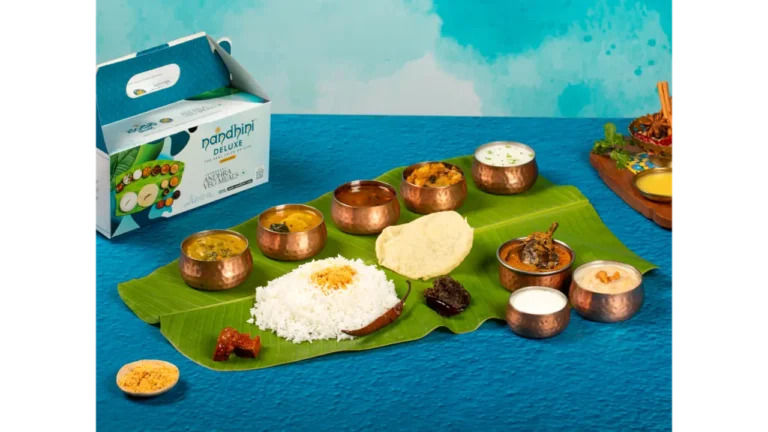
Traditional meal structure places emphasis on progression. A typical spread moves through pappu, charu, koora, pachadis, pickles, podis, and rice. Each component plays a functional role: acidity resets the palate, lentils steady the meal, and pickles heighten appetite. The rhythm comes from an arrangement that respects both nutrition and flavour logic.
The following table outlines core contrasts often observed in regional cooking:
| Region | Dominant Ingredients | Typical Heat Level | Signature Traits |
| Coastal Andhra | tamarind, seafood, coconut | moderate | tangy gravies, lighter textures |
| Rayalaseema | Guntur chilli, millet, meat | high | dense curries, intense spice |
These foundations influence how chefs design menus in urban settings. When placed in a modern restaurant environment, the cuisine’s clarity and intensity provide strong anchors for adaptation without losing authenticity.
2. Nandhini Deluxe: Brand Legacy and Modern Dining Vision
Nandhini Deluxe holds a long-standing reputation as a Bangalore institution known for Andhra cooking that remains faithful to its regional origins. The brand’s growth reflects rising interest in distinct Indian cuisines within the city’s dining culture. Its presence across multiple neighbourhoods signals a consistent demand for flavour-forward meals shaped by Telugu traditions.
The brand emerged at a time when regional specialisation in Bangalore restaurants was limited. By introducing Andhra dishes rooted in home-style techniques, the chain created a dependable space for diners seeking recognisable spice intensity and comforting plates. Over time, expansions aligned with shifting urban dining habits. Evening outings, social gatherings, and after-work meals reshaped the rhythm of restaurant visits, creating a need for interiors and service models that supported extended conversations and group settings.
This context influenced the development of the bar-kitchen format adopted in several outlets. The concept blends relaxed social spaces with the reliability of Andhra flavours, creating a dining environment suited to varied groups. It also encourages combinations where shareable plates, spirited dishes, and beverage pairings complement the cuisine’s strong sensory profile.
Nandhini’s identity rests on three pillars:
- Regional fidelity expressed through signature dishes
- Adaptation to Bangalore’s evolving dining expectations
- Consistency across outlets while retaining local charm
The shift toward a modern dining setting does not dilute the regional core. Instead, it creates opportunities to present Andhra cuisine with refined plating, contemporary ambience, and a menu structure suited to a bar-oriented crowd. This balance positions the brand as both a heritage anchor and a participant in Bangalore’s changing culinary landscape.

3. Translating Andhra Flavours into the Bar-Kitchen Experience
The bar-kitchen setting at Nandhini Deluxe reinterprets Andhra flavours for a contemporary dining environment shaped by shared plates, relaxed interactions, and flexible meal structures. Andhra cuisine’s intensity adapts well to this format because the dishes naturally encourage lingering, discussion, and repeated sampling. The setting frames these flavours within an ambience built for groups, after-work gatherings, and leisurely evenings.
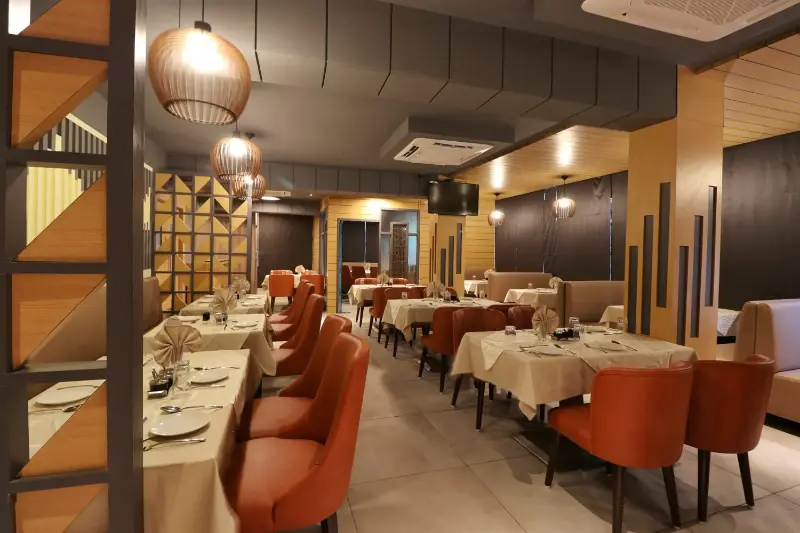
Interior choices reflect an urban aesthetic that complements the cuisine’s bold profile. Warm lighting, wood textures, and open layouts create an environment suitable for tasting multiple preparations. The bar acts as both a visual anchor and a functional complement to the menu, allowing diners to explore drinks that match or soften specific heat profiles. Cocktails with citrus, spice, or herbaceous notes work naturally with Andhra-style gravies, roasted meats, and tangy starters.
Menu design in this setting follows a structure that highlights intensity while offering variation:
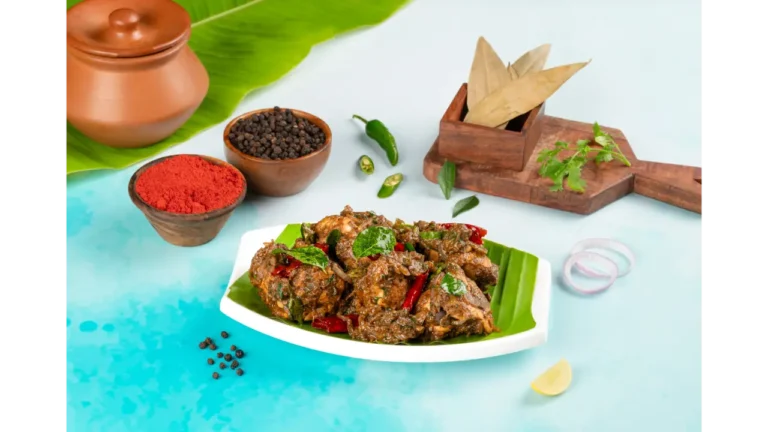
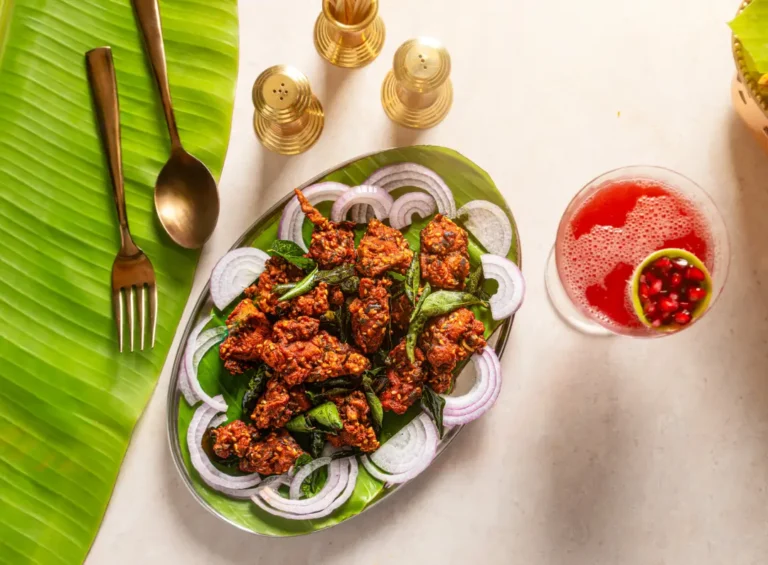
• Small plates with crisp textures, such as chilli-infused fry dishes
• Tang-forward items built around tamarind or sorrel
• Homestyle gravies adjusted for plating suited to the bar-kitchen
• Shareable biryani portions with layered aromatics
• Dry spice mixes and podis that introduce controlled bursts of heat
Vegetarian and vegan adaptations give the menu wider reach. Lentil-based options, steamed items, sautéed greens, and rice-centred dishes bring balance to the stronger flavours. Non-vegetarian items maintain their traditional roots with country chicken, mutton, and coastal influences.
Beverage pairing becomes an integral part of the experience. Drinks with crisp acidity, mild sweetness, or botanical notes help manage high spice levels. The pairing logic often follows simple principles:
- High-acid drinks match tangy gravies
- Light-bodied options pair with fried starters
- Cooling beverages soften Guntur chilli heat
This synthesis of urban bar culture with Andhra culinary identity forms a distinctive niche in Bangalore’s dining landscape. The result is an environment where regional flavours remain central while adapting smoothly to contemporary expectations.
4. Signature Flavours and Dishes to Explore
Signature dishes at Nandhini Deluxe highlight the breadth of Andhra cuisine while showcasing the ingredients that define its regional identity. Each preparation carries a clear balance of heat, tang, and savoury depth shaped by local produce and time-tested methods. These dishes also demonstrate how traditional flavours translate into modern dining formats without losing authenticity.
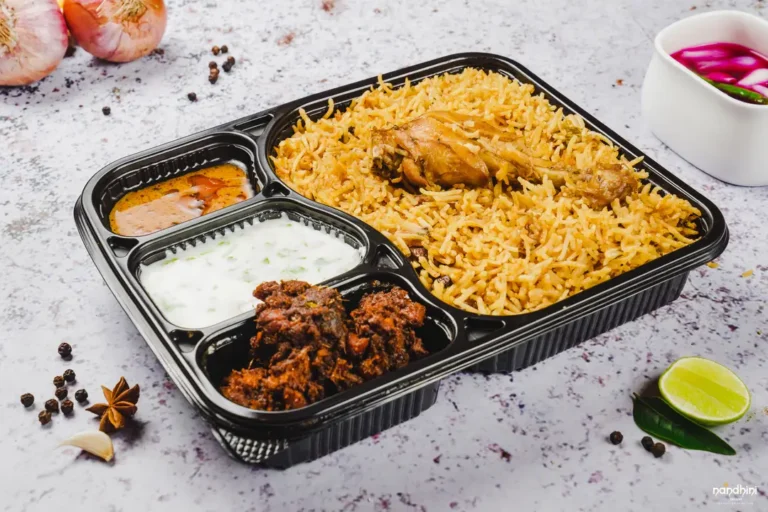
Andhra biryani remains a central attraction. Unlike milder variants, this preparation relies on chilli-forward masalas, aromatic rice, and layered cooking methods that create distinct spice lifts. The grains stay separate while absorbing deep flavours from stock and slow-cooked meat or vegetables. The aroma forms part of the experience, creating an immediate association with Andhra regional cooking.
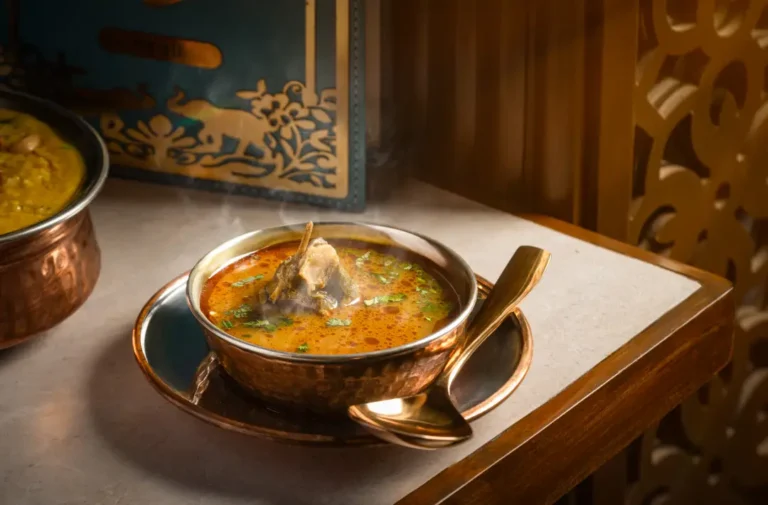
Country chicken curry, known regionally as naatu kodi pulusu, reflects the rustic side of the cuisine. The dish gains its character from slow simmering, tamarind bases, and a spice blend that emphasises Guntur chilli. Its texture remains slightly coarse, signalling traditional preparation. When placed in a bar-kitchen context, it pairs well with rice, flatbreads, or crisp starters, making it suitable for shared dining.
Gongura pachadi stands out through its sharp tang sourced from sorrel leaves. The flavour intensity fits well with rice dishes and fried items, offering a contrast to heavier gravies. Its presence on the menu highlights a core regional ingredient that distinguishes Andhra cooking from neighbouring cuisines.
Vegetarian dishes contribute equally to the restaurant’s identity. Andhra thali components such as pappu, charu, and podi rice offer balance and comfort. Tamarind rasam brings clarity and warmth, suited for both regular meals and lighter dining sequences. These items adapt seamlessly to modern plating formats while preserving their traditional structure.
The following table summarises key attributes of these dishes:
| Dish | Defining Element | Dominant Profile | Ideal Setting |
| Andhra Biryani | layered spice masala | aromatic heat | shared plates |
| Naatu Kodi Pulusu | tamarind-spice base | robust and rustic | bar-kitchen gravies |
| Gongura Pachadi | sorrel tang | sharp acidity | rice pairings |
| Andhra Thali Items | lentils, rasam, podis | balanced comfort | full meals |
These offerings illustrate how regional identity remains strong even when presented in a contemporary restaurant setting.
5. Why Bangalore Now? Regional Cuisine Meets Urban Dining
Bangalore’s dining culture has shifted towards deeper engagement with regional Indian cuisines. This shift aligns with broader interest in authenticity, ingredient-level stories, and flavour profiles that differ from generic multi-cuisine menus. Andhra cooking fits naturally into this trend due to its intensity, clear identity, and versatility across diverse meal formats.
Urban demographics influence this movement. The city’s workforce brings individuals from across India who seek recognisable flavours tied to home regions. Telugu-speaking communities create steady demand for dishes anchored in memory and tradition. At the same time, younger diners explore regional cuisines as a form of cultural discovery, making Andhra flavours a compelling option for social outings.
Dining patterns in Bangalore support restaurants that offer bold experiences. High spice tolerance within the city’s food culture encourages experimentation with chilli-focused dishes. Andhra cuisine’s reliance on Guntur chilli, tamarind, and sorrel delivers the contrast many diners look for when choosing meals for group gatherings, late dinners, and weekend outings.
Nandhini Deluxe responds directly to these patterns through three strategic alignments:
- Regional specificity that distinguishes it from generic South Indian offerings
- Menu depth that appeals to diners seeking variety within a single cuisine
- A dining environment suited to social, post-work, and family settings
The bar-kitchen model strengthens this connection by presenting Andhra dishes in a setting familiar to contemporary diners. Social groups can share biryani portions, select from a wide range of starters, or combine gravies with beverage pairings that modulate heat.
Bangalore’s competitive restaurant market also rewards restaurants with strong identity. In this context, Nandhini Deluxe’s long-standing association with Andhra cuisine positions it to serve both nostalgic diners and new explorers. This dual appeal supports its continued relevance in a city where food choices evolve quickly.
6. What To Expect: Practical Dining Guide at Nandhini Deluxe
A visit to Nandhini Deluxe follows a rhythm shaped by lively interiors, expressive flavours, and dining patterns that accommodate both groups and individuals. The bar-kitchen environment sets the mood with an informal energy that suits extended evenings, casual celebrations, and relaxed meals. Seating arrangements usually combine community-style tables with smaller nooks, making the space adaptable for gatherings of different sizes.
Service style remains brisk and attentive. Dishes often arrive in quick intervals, encouraging diners to combine multiple flavours across the table. Aromatic starters, tangy gravies, and rice dishes create a sequence that suits slow-paced conversations as well as focused meals. The ambience retains the comfort of a familiar Andhra establishment while blending this with an urban dining sensibility.
Menu selection at Nandhini Deluxe follows a structure that helps diners navigate the cuisine’s strong profiles:
• Starters built around crisp textures and chilli-driven coatings
• Tang-based gravies balanced with lentils or vegetables
• Rice-led combinations including biryani, podi rice, and rasam rice
• Meat-forward preparations featuring regional cooking methods
• Vegetarian options anchored by lentils, steamed items, and leafy greens
Pricing aligns with Bangalore’s mid-range dining category. Shared portions, especially biryani trays and fry preparations, offer good value for larger groups. Meals can remain compact with a few signature dishes or expand into a longer tasting sequence, depending on group size and appetite.
The following guidance often helps diners structure their visit:
- Early evenings suit those seeking quieter spaces
- Larger groups find advantages during later hours when bar activity increases
- Spice-sensitive diners benefit from asking staff to guide them toward milder options or dishes with balanced tang
- Those seeking extended meals can combine biryani, naatu kodi pulusu, and vegetable-based selections for variation
Spice levels at Nandhini Deluxe follow traditional patterns. Heat often comes from Guntur chilli, creating a quick, sharp rise rather than a lingering burn. Rice, buttermilk, and tang-based side dishes help moderate intensity. The overall experience blends predictability and surprise, part of the appeal that keeps Andhra cuisine prominent in Bangalore’s dining culture.
7. Deep Dive: Spice Profiles, Ingredient Logic, and Culinary Techniques
The depth of Andhra cuisine becomes especially clear when examining the ingredients and methods that shape its most recognisable flavours. These details usually stay in the background of a dining experience, yet they play a significant role in defining the regional identity carried onto the plate. The bar-kitchen adaptation at Nandhini Deluxe continues to rely on these fundamentals while adjusting them for pacing, plating, and consistency.
Guntur chilli stands at the centre of the cuisine’s heat structure. Its pungency results from capsaicin concentration levels that create a sharp, immediate sensation. This quality allows gravies and fry dishes to retain intensity even when paired with drinks or milder accompaniments. Sorrel leaves, or gongura, add another dimension through natural oxalic acidity. Their tang sharpens dishes, creating contrast against rich meat-based curries or lentil preparations. Tamarind supplies foundational sour tones, especially in pulusu and rasam variations. Together, these ingredients build the architecture that defines Andhra flavour logic.
The following table summarises how these elements interact:
| Ingredient | Functional Role | Result on Palate | Ideal Dish Type |
| Guntur Chilli | heat source | sharp intensity | fry dishes, gravies |
| Sorrel Leaves | tang | acidic lift | pachadis, mixed rice |
| Tamarind | base acidity | rounded sourness | pulusu, rasam |
| Country Chicken | protein depth | rustic savouriness | slow-cooked curries |
Cooking techniques also differ from other regional cuisines. Slow reductions produce thick gravies that cling to grains. Fry dishes rely on controlled oil temperatures that maintain crispness even when coated with masalas. Lentil dishes often incorporate tempered spices at the end, giving them aromatic lift. These methods transfer effectively to a bar-kitchen environment where dishes must remain stable for longer table times.
Sourcing adds another layer. Many spices and produce items originate from Andhra regions with specific soil and climate conditions. When these ingredients enter Bangalore’s kitchen supply chains, they maintain the sensory profile associated with the cuisine’s authenticity.
This deep structure ensures that Andhra dishes remain recognisable even in modern dining spaces, giving the cuisine a strong anchor for adaptation.
8. Culinary Narrative in Urban Adaptation: Tradition Aligned with Modern Techniques
The move from regional home kitchens to an urban bar-kitchen model involves a series of practical and conceptual adjustments. Andhra cuisine’s strong identity makes it an effective candidate for this transition, as its flavours remain consistent even when introduced into new dining patterns. Nandhini Deluxe aligns traditional preparation logic with techniques suited for higher-volume city restaurants while maintaining sensory fidelity.
Cooking methods must adapt to shorter service windows without diminishing depth. Slow-simmered gravies are prepared in controlled batches that retain thickness and aroma. Fry dishes rely on efficient pre-preparation followed by crisp finishing at the time of service. These adjustments allow kitchens to maintain the rustic textures associated with Andhra food while meeting the timing needs of a busy dining floor.
Plating shifts to fit the expectations of contemporary diners. Items traditionally served in communal vessels now appear in formats suited for sharing tables or bar counters. These changes focus on clarity and accessibility rather than stylistic embellishment. For example, pachadis may be portioned into smaller servings designed for quick pairing with rice or fry dishes. Biryani portions are arranged to highlight distinct grain separation and masala layers, making the dish suitable for group sharing.
Modern dining expectations also influence the interplay of beverages and dishes. Strong heat profiles interact well with drinks containing citrus, herbs, or mild sweetness. This dynamic creates a natural bridge between Andhra cuisine and bar culture, encouraging diners to explore flavour contrasts that emerge when heat meets acidity or coolness.
Urban adaptation further involves consistency across outlets. Kitchens standardise spice blends while preserving nuance in regional signatures. Supply chains ensure access to key Andhra ingredients, protecting the cuisine’s foundational identity even when served far from its place of origin.
These adjustments illustrate how Andhra cuisine retains its cultural roots while evolving for modern dining patterns. Its adaptability supports both everyday meals and social evenings, giving it enduring relevance in Bangalore’s fast-changing restaurant landscape.
9. FAQs
1. What defines Andhra cuisine in terms of flavour structure?
Andhra cuisine is shaped by a combination of Guntur chilli heat, tang from tamarind and sorrel leaves, slow-simmered gravies, and rice-led combinations that create layered flavours. The cuisine reflects the ecological diversity of Andhra Pradesh, where coastal and interior regions contribute distinct ingredient profiles.
2. How does Nandhini Deluxe present Andhra flavours in a modern dining format?
Nandhini Deluxe adapts regional dishes for a bar-kitchen environment by offering shareable portions, crisp starters suited to social dining, and gravies with traditional intensity paired with contemporary plating. The atmosphere blends relaxed urban design with flavours rooted in Telugu tradition.
3. Which signature dishes best represent the restaurant’s Andhra-style approach?
Key dishes include Andhra biryani with layered spice masala, naatu kodi pulusu featuring tamarind-based rustic depth, gongura pachadi with sorrel-driven tang, and thali components such as pappu and rasam that highlight balanced comfort.
4. What dining patterns in Bangalore support the popularity of Andhra cuisine?
Bangalore’s interest in regional Indian cuisines, increasing demand for strong flavour identity, and social dining trends contribute to the prominence of Andhra dishes. The city’s diverse population and high spice tolerance further support the cuisine’s appeal.
5. How do spice levels typically compare across different Andhra dishes?
Fry items and meat-based curries often carry the sharpest heat due to Guntur chilli use, while thali components and lentil dishes offer milder profiles. Tamarind and sorrel introduce acidity that shapes the overall balance, helping diners manage the intensity across a meal.
10. Conclusion
The presence of Andhra cuisine within Bangalore’s dining culture reflects a growing appreciation for regional depth, ingredient-driven cooking, and clear flavour identity. Nandhini Deluxe plays a defining role in this evolution. Its bar-kitchen setting provides a stage where the cuisine’s intensity, tang-forward profiles, and rustic textures integrate with the pace and preferences of a modern metropolitan audience. This alignment shows how regional food traditions adapt without losing the qualities that distinguish them.
The flavours showcased at Nandhini Deluxe stem from long-standing culinary practices shaped by local ecology and cultural memory. Guntur chilli, sorrel leaves, tamarind, country chicken, and aromatic rice varieties form the backbone of this cooking. These ingredients maintain their expressive force even when transported into an urban restaurant environment. Their presence anchors the menu, giving each dish a recognisable structure that reflects its origin.
The dining experience at Nandhini Deluxe carries a blend of familiarity and contemporary energy. Shareable plates, bar-friendly starters, and rice-based combinations create a flexible space suitable for gatherings of various sizes. This structure encourages diners to explore multiple dimensions of Andhra cuisine, from layered biryanis to tang-focused pachadis. The distinctive rhythm of the bar-kitchen helps these dishes shine in a setting built for conversation and exploratory eating.
Bangalore’s audience continues to show interest in regional cuisines that offer clarity and cultural resonance. Nandhini Deluxe meets this interest by balancing tradition with modern dining logic, presenting Andhra flavours in ways that feel both rooted and current. Its long-standing presence in the city provides continuity, while its modern adaptations keep the experience relevant to changing tastes.
This combination positions the restaurant as a reference point for Andhra cuisine in the city. Diners seeking bold flavours, regional authenticity, and a lively environment find a consistent anchor in its offerings. The approach reinforces the idea that heritage-driven cooking can coexist with contemporary formats, enriching Bangalore’s food landscape.
Readers exploring Andhra cuisine within the city’s dining scene can consider Nandhini Deluxe as a central destination. Its legacy, expressive flavours, and modern ambience make it a strong representative of the region’s culinary identity within an urban context.