There’s a special kind of hunger that doesn’t want advice. It wants food. Fast.
You know the feeling:
- you skipped lunch
- you had back-to-back work
- you’re finally free
- and your stomach is basically shouting, “Order something serious.”
In that moment, most people fall into one of two camps:
- Biryani: One big, satisfying, no-nonsense dish.
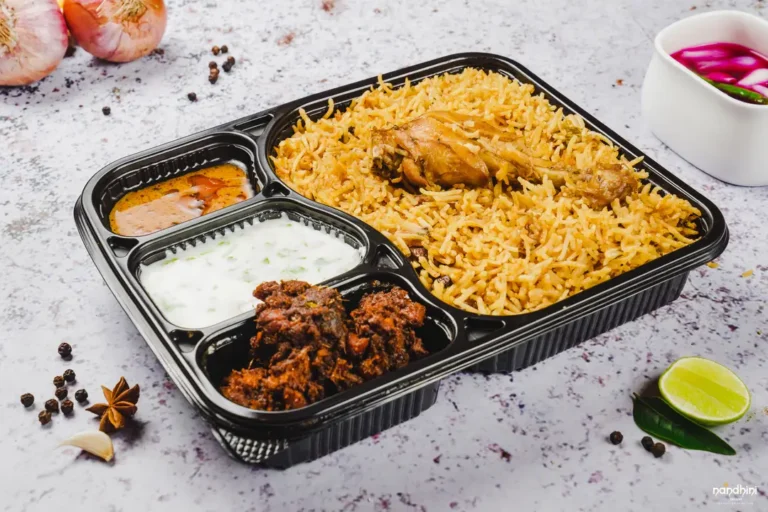
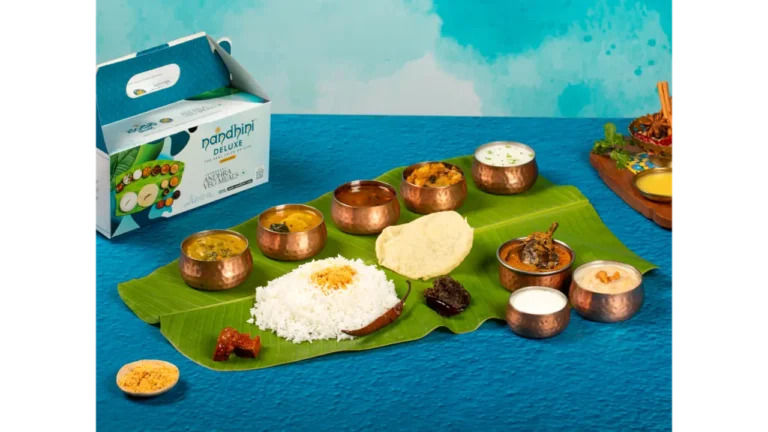
- Non-veg meals: A complete meal plate with multiple items, gravy + fry + rice + sides.
Both can be the right answer.
But here’s the thing: when you’re really hungry, choosing the wrong one creates regret:
- You order biryani when you wanted variety, and you feel unsatisfied even though you ate a lot.
- You order a heavy meal plate when you wanted a single powerful hit, and you feel overly full and slow.
This guide helps you choose correctly in 60 seconds.
No overthinking. No long lectures. Just a framework built for real hunger. Visit our restaurant Nandhini deluxe for luxury dining.
Table of Contents
The 60-second chooser (save this)
Choose BIRYANI when:
- You want one big, cohesive, powerful dish
- You want the most “straight to satisfaction” option
- You’re ordering delivery and want a dish that usually holds up well
- You’re eating late night and want comfort with minimal effort
- You don’t want to manage multiple items and sides
- You want “food that feels like a reward”
Choose NON-VEG MEALS when:
- You want variety and a “proper meal” feeling
- You want both dry + gravy textures in the same meal
- You want rice plus sides that make the meal feel complete
- You’re dining in (or have time at home) and want a paced, full experience
- You want a finishing rhythm (comfort elements like rasam/raita/curd style reset)
- You’re hungry, but you want satisfaction without feeling like you ate one heavy block of food
If you’re still confused, use this tie-breaker:
If you want one dish that hits hard: Biryani.
If you want a full meal journey: Non-veg meals.
Now let’s make it even easier by understanding the “meal logic.”
The real difference: “single-dish satisfaction” vs “complete meal fullness”
People argue about which one is “more filling,” but the truth is:
They fill you in different ways.
What biryani gives you
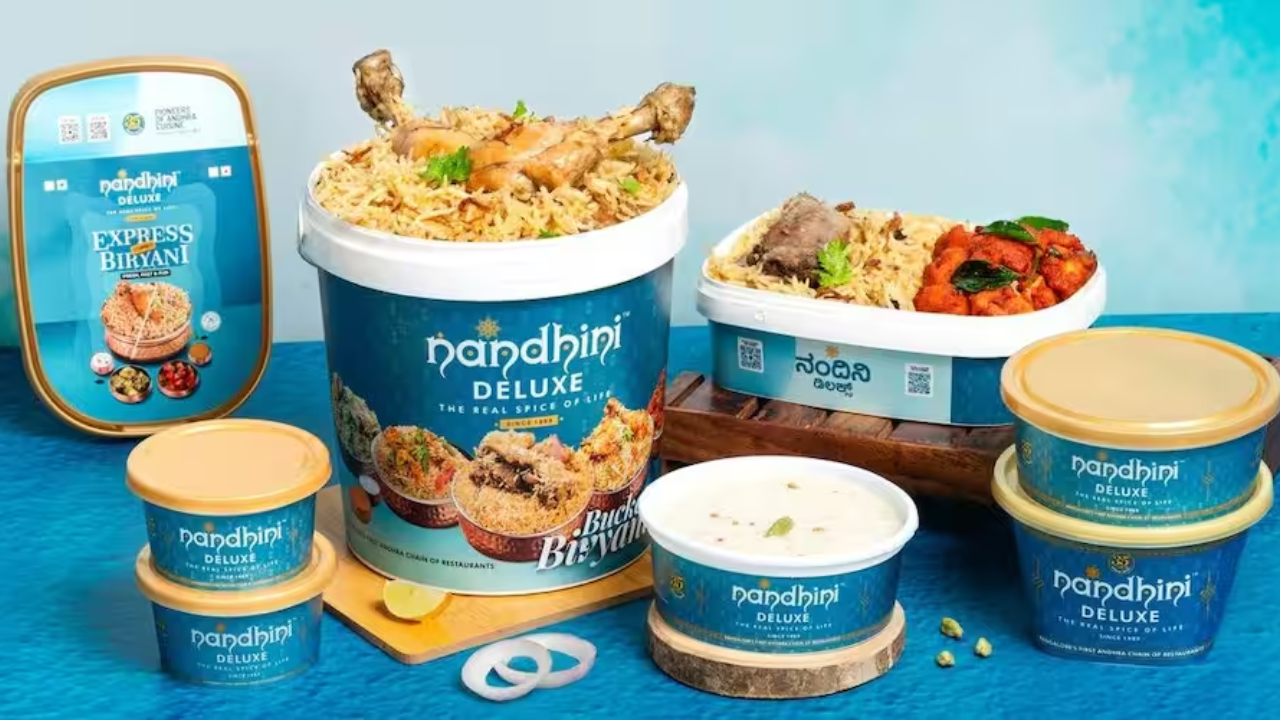
Biryani is a single-dish universe:
- rice and meat cooked together
- flavor integrated into every bite
- strong aroma, rich masala, and a complete taste profile in one container
It’s perfect when your hunger is chaotic and you want one simple answer.
What non-veg meals give you
Non-veg meals are structured fullness:
- rice base
- one gravy for comfort and depth
- one fry for texture and punch
- sides that reset your palate
- a “finish” element that makes your brain feel like you ate properly
Non-veg meals are best when you’re hungry and you want your meal to feel complete, not just heavy.
Pick based on your hunger type (this is the selector that actually works)
When people say “I’m really hungry,” they often mean different things.
Identify your hunger type, and your choice becomes obvious.
Hunger type 1: The “Rice monster”
You’re craving rice. Not snacks. Not starters. Rice.
Choose non-veg meals if:
- you want multiple rice rounds
- you want to change flavors as you eat
- you want rice + gravy comfort + fry contrast
Choose biryani if:
- you want one intense rice hit
- you want rice that already contains the flavor and meat in every bite
- you don’t want to think, just eat
Simple rule:
Rice monster + variety craving → meals.
Rice monster + one-hit craving → biryani.
Hunger type 2: The “Meat craving”
You don’t just want rice. You want chicken/mutton satisfaction.
Choose non-veg meals if:
- you want meat in two forms: fry + curry
- you want texture contrast (dry bite + gravy bite)
- you want to feel like you had a “proper non-veg meal”
Choose biryani if:
- you want meat infused through rice
- you want cohesive bites without switching plates
- you want that dum-style “everything together” feel
Simple rule:
Meat craving + texture contrast → meals.
Meat craving + integrated flavor → biryani.
Hunger type 3: The “Variety craving”
Your hunger is not just quantity, it’s variety. You want multiple tastes.
If this is you, non-veg meals usually win because:
- they are built for variety by design
- you get different flavors, not one continuous flavor line
Simple rule:
If you’re bored of one flavor after 10 bites, choose meals.
Hunger type 4: The “No patience, just feed me”
You’re not trying to build a perfect plate. You’re trying to stop hunger fast.
Biryani wins because:
- it’s one dish
- minimal decisions
- minimal plate management
- maximum satisfaction speed
Simple rule:
When your brain is tired and you want “one and done,” choose biryani.
Hunger type 5: The “Comfort hunger”
You want food that makes you feel emotionally okay.
This one can go either way:
- If comfort means aroma + one-box warmth, biryani wins.
- If comfort means meal structure + sides + finishing rhythm, meals win.
Ask yourself:
Do you want a “hug in a box” or a “proper meal that settles you”?
Pick based on situation (the scenarios that matter)
Now let’s apply it to real life.
Scenario 1: Delivery
When it’s delivery, your priorities change:
- you want food that stays enjoyable after travel
- you want minimal complexity
- you want predictable satisfaction
Most of the time, biryani is the safer delivery choice because it’s one integrated dish.
Non-veg meals can still be great for delivery, but they require you to pace and assemble your plate properly.
Delivery rule:
- If you want “open and eat,” choose biryani.
- If you want “proper meal with variety,” choose meals, but eat it in rounds.
Scenario 2: Dine-in
Dine-in favors non-veg meals because:
- you eat it fresher and hotter
- you can enjoy the variety sequence properly
- the meal feels like an experience, not just food
Dine-in rule:
- If you have time and want to enjoy variety, meals shine.
- If you want one iconic dish and you’re done, biryani still wins.
Scenario 3: Late-night hunger
Late-night hunger is different. You’re not trying to be balanced. You want satisfaction and comfort.
Biryani usually wins because it’s:
- simple
- heavy in a comforting way
- easy to eat without thinking
Late-night rule:
- If it’s midnight and you want “reward food,” biryani.
- If you want to feel “properly fed” and you have time, meals can work, but keep it simple.
Scenario 4: Lunch hunger (especially post-work or mid-day)
Lunch hunger often wants:
- proper fullness
- not just heaviness
- something that feels complete
Non-veg meals often win here because the structure (gravy + fry + rice + sides) makes lunch feel like a proper meal.
Lunch rule:
- If you want “complete lunch satisfaction,” meals.
- If you want “fast hit and back to work,” biryani.
Scenario 5: You’re really hungry but you hate feeling too heavy
This is common. You want to eat a lot, but you don’t want a post-meal slump.
In that case, meals can be better if you:
- pace your plate
- don’t over-stack rice
- keep a cooling/reset element present
- avoid extremely oily add-ons
If you order biryani in this mood, you might eat too much too fast because it’s easy, and then feel heavy.
Rule:
- Want to eat big without regret? Meals, paced.
- Want to eat big without thinking? Biryani, but portion-control yourself.
Portion strategy when you’re really hungry (don’t over-order)
Hunger makes people over-order. Here’s how to avoid it.
If you’re eating solo
Ask yourself:
- Do I want variety or one dish?
Choose meals if:
- you want a full structured meal
- you want dry + gravy satisfaction
- you want the “complete finish” feeling
Choose biryani if:
- you want one large dish
- you want pure satisfaction speed
- you don’t want to manage multiple items
Solo rule:
If you’re extremely hungry, both will fill you. Choose based on what will feel satisfying after 10 minutes, not just in the first bite.
If you’re two people
Two-person orders often go wrong when both people want different experiences.
Here’s the clean strategy:
- If both want one dish satisfaction → biryani works well
- If both want a proper meal experience → meals work well
- If cravings are mixed → one person gets meals, one person gets biryani, and you share sides lightly
Two-person rule:
Don’t force one format on both people if cravings differ.
If you’re 3–4 people
This is where biryani family packs/bucket formats shine because one big biryani can serve a group efficiently.
But if the group wants variety and different textures, meals can also work, though it becomes more complex to order.
3–4 people rule:
- Want easy group satisfaction → biryani format.
- Want variety and “proper meal feel” → meals, but plan comfort + spicy lanes.
If you’re 5+ people
For big groups:
- biryani is simpler to distribute
- meals can feel more complete but require more coordination
Big group rule:
If you want “zero chaos,” biryani is the safe choice.
If you have time and want a meal experience, meals can be great with the right planning.
The “no regret” choice (if you truly can’t decide)
If you’re staring at the menu and your brain is tired, use this:
Choose biryani if:
- you want to be done with decisions
- you want maximum satisfaction with minimum complexity
Choose non-veg meals if:
- you want the complete meal feeling
- you want variety and texture contrast
- you want to feel “properly fed” rather than just “stuffed”
No regret rule:
Pick the format that matches your mood, not just your hunger.
What to avoid (so you don’t regret your choice)
If you choose biryani, avoid:
- ordering too spicy when you’re starving (you’ll eat fast and suffer)
- eating too quickly without breaks
- over-ordering sides just because they’re available
Smart biryani move:
Keep it simple. One dish, one support item if needed.
If you choose non-veg meals, avoid:
- stacking multiple spicy sides early
- mixing everything together immediately
- refilling rice too soon (if it’s an unlimited style meal)
Smart meals move:
Eat in rounds: comfort → highlight → reset → finish.
Ordering scripts (fast and effective)
Use these to order confidently, especially when you’re really hungry and impatient.
“Really hungry, dine-in” script
“I’m really hungry. I want a full non-veg meal—something with one fry and one curry style with rice and sides.”
“Really hungry, delivery” script
“I want the most satisfying single dish that’s easy to eat. Biryani.”
“I want variety, not just one dish” script
“I want a non-veg meal that includes both dry and gravy style items.”
“I want a simple powerful meal” script
“One biryani, medium spice.”
“Two people, different cravings” script
“One meal for variety, one biryani for single-dish satisfaction. Keep one cooling support item.”
These scripts reduce mistakes when you’re ordering in hunger mode.
FAQs
1) Which fills you more: biryani or non-veg meals?
Both can fill you, but in different ways. Biryani is single-dish density. Meals feel fuller because they include multiple items and a structured meal finish.
2) What should I order if I skipped lunch and I’m starving?
If you want quick satisfaction with minimal thinking, choose biryani. If you want a full meal experience with variety and texture contrast, choose non-veg meals.
3) What’s better for delivery: meals or biryani?
Biryani is usually simpler and more predictable for delivery because it’s one integrated dish. Meals can work well too if you eat in rounds and keep it balanced.
4) What’s better if I want both dry and gravy textures?
Non-veg meals usually win because they’re built to include both fry-style and curry-style elements.
5) What if I’m spice-sensitive but really hungry?
Choose a controlled option: either a medium-spice biryani with a cooling support item, or a meal where you avoid stacking spicy sides early.
6) What should I choose for late-night hunger?
Biryani often wins late-night because it’s comforting, easy, and “one-box satisfaction.” Meals are better if you want a proper meal and you have time.
7) What’s best for groups of 3–4?
Biryani formats often work well for groups because they’re easy to share. If the group wants variety, meals can work but need planning.
Conclusion: When you’re really hungry, don’t gamble—match the meal to your mood
When hunger is intense, your first instinct is to order the biggest thing. But the smartest move is to order the right type of meal.
- Choose biryani when you want one cohesive, powerful dish with minimal decisions.
- Choose non-veg meals when you want variety, texture contrast, and the complete “proper meal” feeling.
The next time you’re starving, don’t ask:
“What’s bigger?”