In the late 1980s, finding a proper Andhra meal in Bangalore meant knowing someone’s grandmother. The food existed in homes, in memory, in the particular knowledge of families who had brought it with them from Andhra Pradesh. What did not yet exist was a restaurant built around it: a kitchen that sourced the right ingredients, maintained the right recipes, and opened every day for anyone who walked in, not just those who already knew where to look.
Then 1989 happened. N. Ananda opened Nandhini’s first outlet at Minerva Circle in January of that year, and Andhra dining in Bangalore began to change in a way it has not stopped changing since. What he built was not just a restaurant. It was the first Andhra restaurant chain in the city, a company-owned operation that would eventually grow to 19 outlets across Bengaluru and Mysuru, serving 10,000 customers every day.
Understanding what that took requires understanding what Bangalore’s Andhra dining scene looked like before it.
What Bangalore’s Andhra Scene Looked Like Before 1989
Bangalore had been receiving Telugu-speaking migrants from Andhra Pradesh for decades by the time Nandhini opened. Many came for work, for education, for the particular kind of opportunity that a growing city offers people who are willing to move toward it. They brought their food with them in the way that migrants always do: in the dishes they cooked at home, in the ingredients they searched for in markets, in the flavours that connected them to somewhere else.
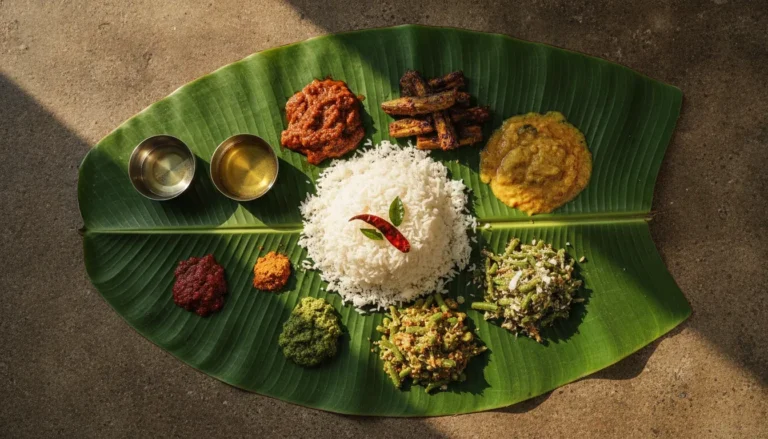
What they did not have, in any consistent form, was a restaurant that served Andhra food the way it was meant to be served. A full bhojanam (the Andhra meal) on a banana leaf, with pappu (dal), pulusu (tamarind gravy), koora (vegetable preparations), gongura pachadi (sorrel-leaf chutney), avakaya (mango pickle), podi, papad, curd and ghee over rice, everything arriving hot and being refilled without asking. The format existed in homes. It did not yet exist in a restaurant kitchen built to produce it at scale.
N. Ananda had spent years travelling across South India, eating in every kind of place he could find, learning what the food was supposed to be. When he looked at Bangalore through that knowledge, the absence was obvious. He decided to fill it.
Building the Supply Chain From the Ground Up
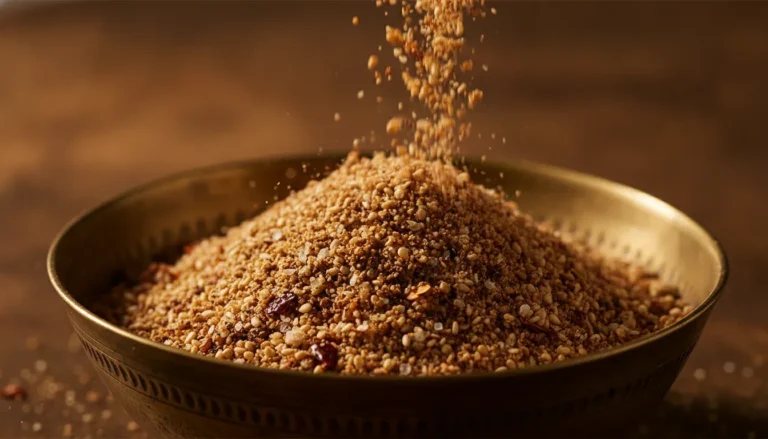
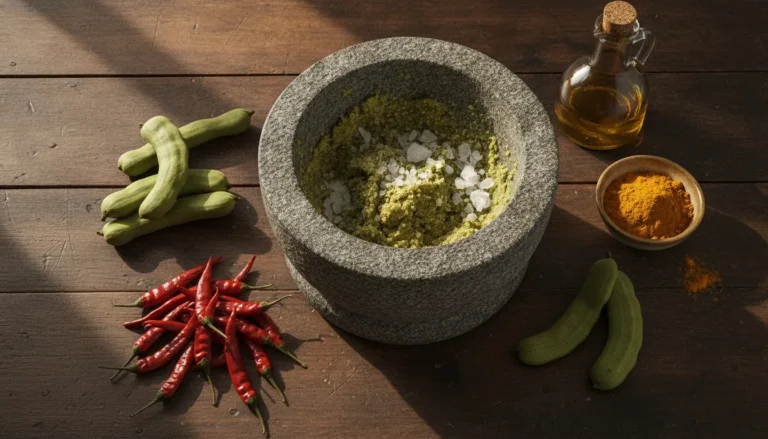
Opening a restaurant that promises Andhra food is straightforward. Actually making Andhra food requires something more specific: the right ingredients from the right places. N. Ananda understood this distinction from the beginning. The spices that define Andhra cooking are not interchangeable with what was available in Bangalore’s general markets in 1989. Guntur chillies, the variety that runs between 30,000 and 50,000 on the Scoville scale and gives Andhra food its particular kind of heat, had to come from Andhra Pradesh directly.
Nandhini built that supply chain. Spices sourced from Guntur, recipes built around what those specific ingredients could do, a kitchen structured around producing the full Andhra spread consistently, day after day. This was not a small undertaking in 1989. There was no template for it in Bangalore. The template had to be created.
The banana-leaf bhojanam format presented its own requirements. Serving a full Andhra meal on a banana leaf, to multiple tables simultaneously, with each item arriving in the right order and being replenished correctly, is a service discipline as much as a culinary one. Getting it right consistently, across different staff and different service volumes, is what separates a restaurant that can do it once from one that does it 10,000 times a day.
The Pioneer Claim: What It Actually Means
Andhra food had a presence in Bangalore before 1989. Calling Nandhini a pioneer of Andhra dining in the city is not a claim about being first to serve the food. It is a claim about something more specific: being the first to build a chain around it, to create a company-owned, no-franchise operation that could carry the cuisine consistently across multiple locations and across decades.
That distinction matters because pioneering a category is not the same as opening one restaurant. Anyone can open one restaurant. Building a chain requires solving a different set of problems: how to maintain quality across kitchens you are not standing in, how to source ingredients at a volume that does not compromise what you are making, how to build a team that produces the same result whether the founder is present or not. These are the problems Nandhini spent its first decade solving, and solving them is what made it possible for Andhra dining to exist in Bangalore the way it does today.
When Zomato and Swiggy arrived and began connecting restaurants to the city’s delivery economy, Nandhini was the first Andhra chain to join them. The supply chain, the operational consistency, and the brand recognition that had been built over more than a decade made that step possible. Restaurants that had not done that foundational work could not take the same step at the same moment.
The No-Franchise Decision and What It Preserved
Every Nandhini outlet has always been company-owned. There are no franchises, no licensing arrangements, no version of the business where someone else runs a kitchen under the Nandhini name according to their own interpretation of what that means. That decision was made by N. Ananda at the beginning and has been held by every generation since.
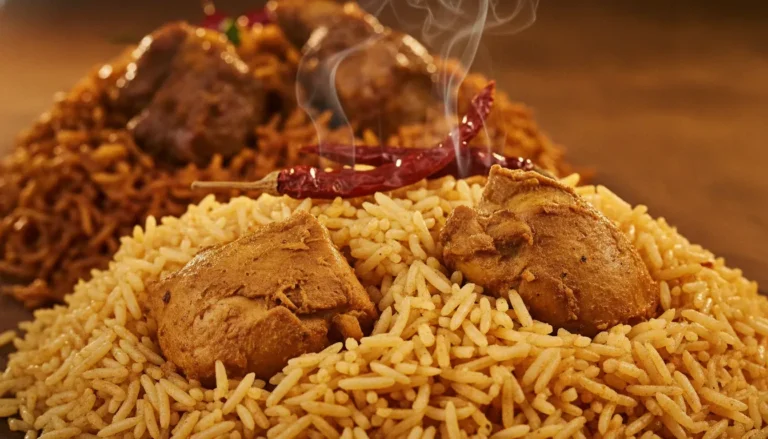
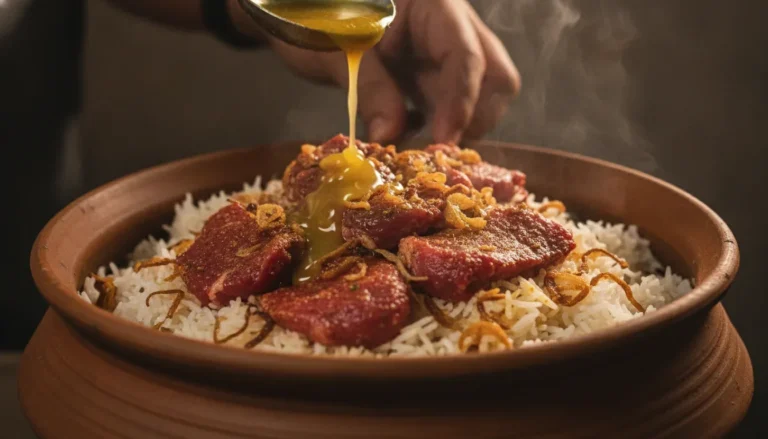
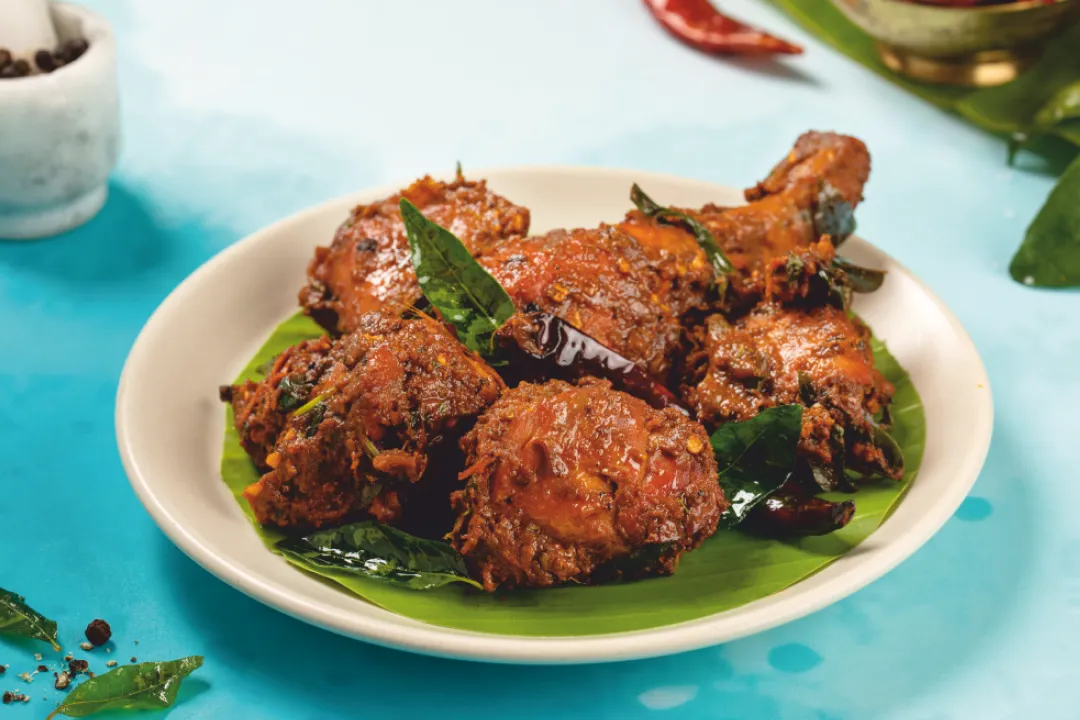
The reason is not complexity or caution. It is about what you can guarantee when you own every kitchen yourself. A customer who has been eating Nandhini’s mutton biryani for twenty years and walks into an outlet in a part of the city they have never visited before finds the same dish they have always eaten. The spice blend is the same. The technique is the same. The recipe that N. Ananda built the restaurant around in 1989 has not been adjusted to suit a franchisee’s local preferences or cost management decisions. It has simply been made, correctly, every time.
Across 19 outlets and 37 years, that is not a small thing to have maintained. It is, in fact, the thing that made pioneering the category mean something more than a first-mover advantage that faded when others arrived.
What the Pioneer Built: Andhra Restaurant Bangalore Since 1989
The Andhra dining scene in Bangalore today is a different landscape from the one N. Ananda entered in 1989. There are more restaurants, more formats, more ways to order the food and have it arrive at your door. The category that barely existed in 1989 is now part of how Bangalore defines its food identity.
Nandhini’s place in that landscape is specific. It is the chain that was there first, that built the supply lines and the service discipline and the customer trust that made the category credible. Dhanush Srinivas, Nandhini’s current Managing Director and N. Ananda’s grandson, has spoken about the ambition to carry what was built in Bangalore to cities across India and eventually to international markets. That ambition is grounded in what the brand has already proved it can do: maintain quality at scale, consistently, without handing the kitchen to someone else.
You can read the full story of N. Ananda and how he came to open the first outlet in the founder’s story. For the wider history of how Andhra food found its place in Bangalore, the Andhra cuisine entry on Wikipedia gives useful cultural context.
The Road That Started at Minerva Circle
Pioneering a cuisine in a city is not a single act. It is a series of decisions, made consistently over a long period of time, that gradually make the category something the city can rely on. N. Ananda made those decisions beginning in January 1989: the decision to source ingredients properly, to serve the food in the format it deserved, to own every outlet rather than licence the name, to hold the recipe constant even when it would have been easier not to.
Thirty-seven years of those decisions, compounding. Nineteen outlets. Ten thousand customers every day. A supply chain that runs back to Guntur. A banana leaf on the table.
Pioneering a cuisine is not opening one restaurant. It is building the road others now drive on. That road started at Minerva Circle. And for anyone who wants to understand what the brand has become across nearly four decades, the about us page has the full picture.