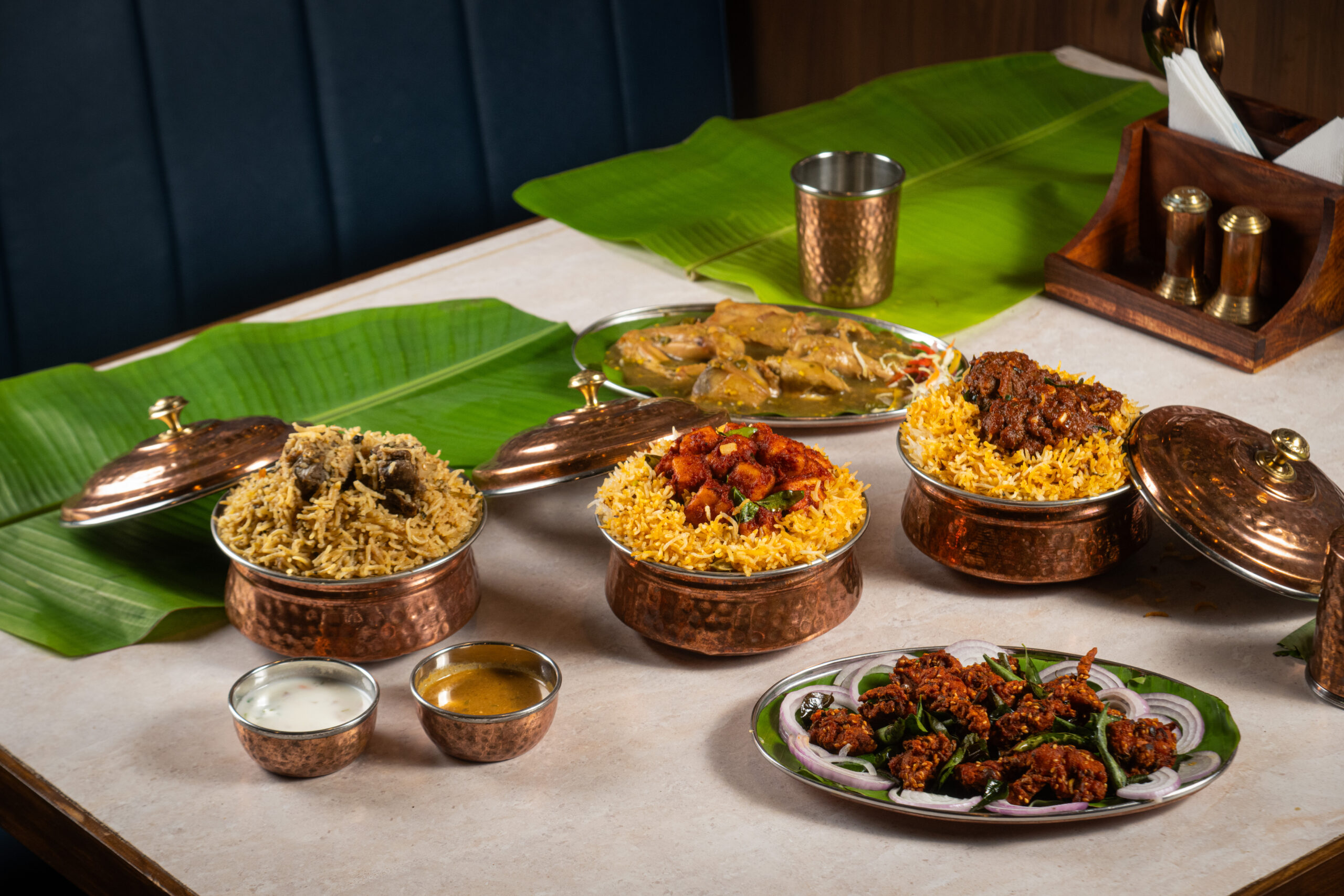
Andhra biryani uses Guntur Sannam chillies that clock 30,000–100,000 on the Scoville scale. Hyderabadi biryani uses Kashmiri chillies that sit at 1,000–2,000. That single fact explains most of the difference between these two styles and why ordering the wrong one can catch you off guard.
But heat is only part of the story. The cooking method is different. The rice looks different on the plate. The sides that come with each tell you which tradition you’re eating from. Even the philosophy behind the seasoning runs in opposite directions one wants you to taste the chilli, the other wants you to smell the saffron.
We’ve served Andhra biryani to over 10,000 customers a day across Bangalore since 1989. What follows is a side-by-side breakdown from people who cook one of these styles for a living – and eat the other out of respect.
The Quick Answer: 6 Key Differences at a Glance
| Factor | Andhra Biryani | Hyderabadi Biryani |
| Cooking Method | Pakki (meat pre-cooked, then layered with rice) | Kachchi Dum (raw marinated meat layered under rice, slow-cooked sealed) |
| Spice Level | High – Guntur chillies, 30,000–100,000 SHU | Mild to moderate – Kashmiri chillies, 1,000–2,000 SHU |
| Rice Appearance | Orange-red from chilli, drier grains | Golden from saffron strands, slightly oily with ghee |
| Key Spices | Guntur Sannam chilli, black pepper, coriander seeds | Saffron, Kashmiri chilli (for colour), cardamom, mace |
| Accompaniments | Avakaya pickle, raw onion rings, curd/raita | Mirchi ka salan, dahi chutney |
| Flavour Profile | Bold, direct, chilli-forward heat | Layered, aromatic, saffron-forward warmth |

That’s the snapshot. If you’re scanning for a quick answer before ordering, the table above has you covered. For the full breakdown – why these differences exist, what they mean on your plate, and which style to pick – keep reading.
What Actually Makes Them Different (The Full Breakdown)
Cooking Method
The biggest structural difference is when the meat gets cooked. In Andhra biryani, the meat is cooked first – marinated, seared in oil with spices, and brought to near-completion before the rice goes on top. This is the pakki method. The result is meat that’s deeply seasoned through to the bone, with rice that absorbs spice from below rather than steaming into it.
Hyderabadi biryani reverses this. Raw marinated meat goes into the pot first, rice on top, and the whole thing seals shut for dum – slow cooking in its own steam. If you want to understand
If you want to understand what dum biryani actually means, it’s this: the lid stays sealed, the meat cooks in rising steam, and the rice on top catches the aroma without touching the gravy. The texture difference is real. Hyderabadi rice stays fluffier and more separate. Andhra rice grains are drier but carry more direct flavour.
You can taste the method blind. Andhra hits you with spice on the first bite. Hyderabadi reveals itself in layers saffron first, then meat juices, then a slow warmth that builds.
The Spice Divide
This is where the two styles part ways most dramatically. Andhra biryani builds its heat on Guntur Sannam chillies – thick-skinned, deep red, and rated 30,000–100,000 SHU (Scoville Heat Units). The capsaicin hits your front palate immediately. There’s no slow build. It’s direct, honest heat.
Hyderabadi biryani uses Kashmiri chillies instead – Kashmiri chilli Scoville rating sits at just 1,000–2,000 SHU. That’s a 15–50× heat gap. Kashmiri chillies contribute colour (that deep red-orange hue in the marinade) and a gentle warmth, not fire.
The cooking method amplifies this divide. Andhra preparation grinds chillies into a paste and fries them in oil, which extracts maximum capsaicin. Hyderabadi preparation suspends chilli in yoghurt marinade, which neutralises capsaicin. Same ingredient family, completely different experience on the plate.
For deeper context on why Andhra food is spicier than most regional cuisines , it comes down to Guntur’s climate, soil, and centuries of breeding chillies for heat rather than colour.
We source our Guntur chillies directly from Andhra Pradesh – and you can read more about Guntur chilli heat levels explained on our dedicated guide.
Rice, Colour, and Appearance
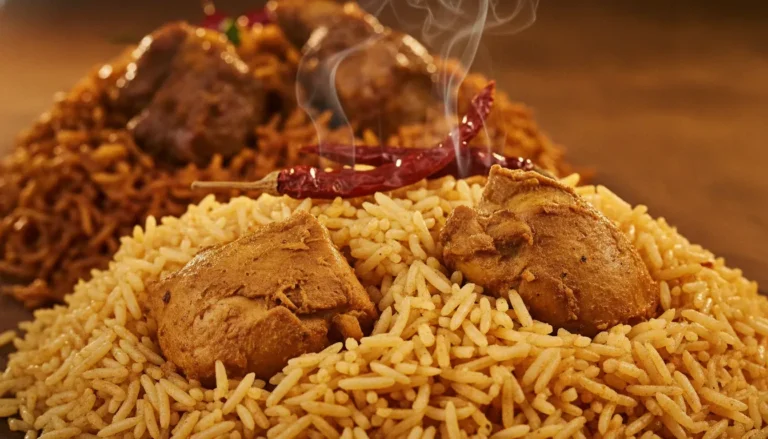
Both styles use long-grain basmati, but the rice tells you which biryani you’re looking at before you take a bite. Andhra biryani rice turns orange-red from the chilli paste and turmeric cooked into the meat layer. The grains are drier, slightly separated, and stained unevenly some grains deep red, others pale where the spice didn’t reach.
Hyderabadi biryani rice gets its colour from saffron milk, drizzled on top before the dum seal. The result is golden-yellow streaks running through white rice a deliberate contrast. The grains are slightly more oily from the ghee layering, and they’re often fluffier because the dum steam keeps them moist. For a closer look at which rice works best for biryani, grain length and age of the basmati matter more than most people realise.
Accompaniments
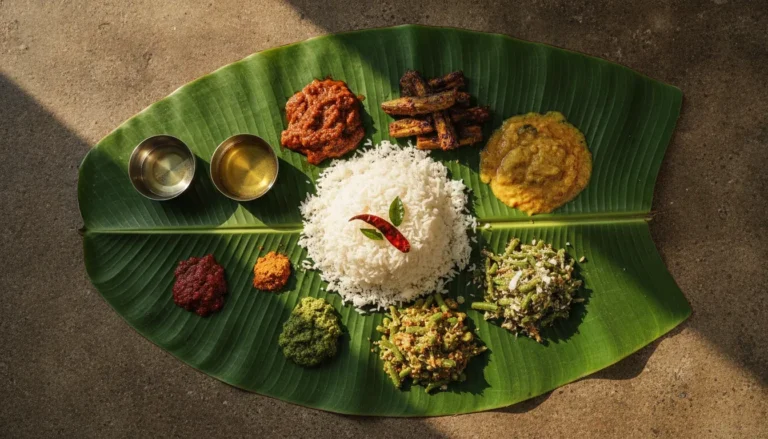
What comes on the side is as telling as the biryani itself. Andhra biryani arrives with avakaya (mango pickle), raw onion rings, and cold curd or boondi raita. The raita needs to be cold, not room temperature the contrast against the hot rice is half the experience. The pickle adds sour tang that cuts through chilli heat.
Hyderabadi biryani’s signature pairing is mirchi ka salan – a tangy, peanut-based gravy with green chillies – and dahi chutney. The salan adds a sweet-sour dimension that the biryani itself doesn’t carry, which is deliberate. Hyderabadi biryani’s Nizam-era origins designed the meal as a complete sensory spread rather than a standalone rice dish.
Flavour Philosophy
Andhra biryani is a direct argument. The chilli is the point. Everything else – the black pepper, the coriander seeds, the curry leaves – supports the heat and adds dimension within it. You know exactly what you’re eating from the first forkful.
Hyderabadi biryani is a negotiation. Saffron, cardamom, mace, and rose water work in layers. The first bite is aromatic. The second reveals the meat. The third, if you’re paying attention, delivers a gentle warmth that wasn’t obvious at the start. Neither approach is better. They’re answering different questions about what biryani should be.
Why Andhra Biryani is Spicier (It’s the Chilli)
The question “which biryani is most spicy?” has a clear answer: Andhra. Not opinion – chemistry. Guntur Sannam chillies contain significantly higher capsaicin concentrations than almost any chilli used in Indian biryani cooking. The Scoville gap – 30,000–100,000 SHU vs 1,000–2,000 SHU – isn’t marginal. It’s a 15–50× multiplier.
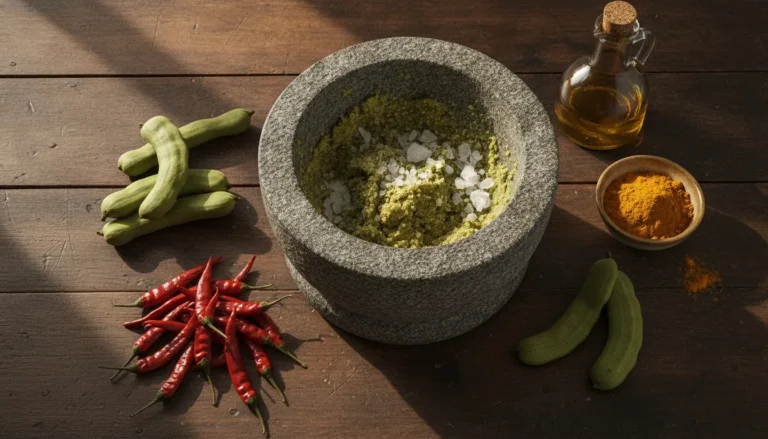
Three things make Guntur chillies this intense. The Guntur district climate – extreme heat, black soil, low rainfall – concentrates capsaicin in the fruit. The thick skin of the Sannam variety retains oils that thinner-skinned chillies lose during drying. And Andhra cooking technique amplifies the heat further: grinding the dried chillies into a wet paste and frying it in hot oil extracts every available Scoville unit.
Hyderabadi cooking does the opposite. Kashmiri chillies go into a yoghurt-based marinade, and the lactic acid in yoghurt actively neutralises capsaicin. So even before the biryani cooks, the Hyderabadi method has already softened whatever heat was there. Is Hyderabadi biryani spicy? Compared to most North Indian dishes, yes. Compared to Andhra biryani, not particularly.
Which Should You Order? (A 30-Second Decision)
Skip the hedging. Here’s how to pick based on what you actually want:
If you want heat: Andhra biryani. Full stop. The chilli is the experience. Order with boondi raita to manage the burn, and don’t skip the onion rings – the raw crunch resets your palate between bites.
If you want aroma: Hyderabadi biryani. The saffron and cardamom do the heavy lifting. Eat it with mirchi ka salan and let the peanut gravy fill in the gaps.
If you want both: Try Nellore biryani. It sits between the two – lighter coconut notes, tomato base, enough spice to register but enough restraint to let the aromatics through.
First time with biryani: Start with Hyderabadi. The gentler spice profile lets you taste the rice, the meat, and the layering technique without the chilli dominating.
Spice veteran: Andhra, no question. Ask for extra avakaya pickle on the side. You know what you’re doing.
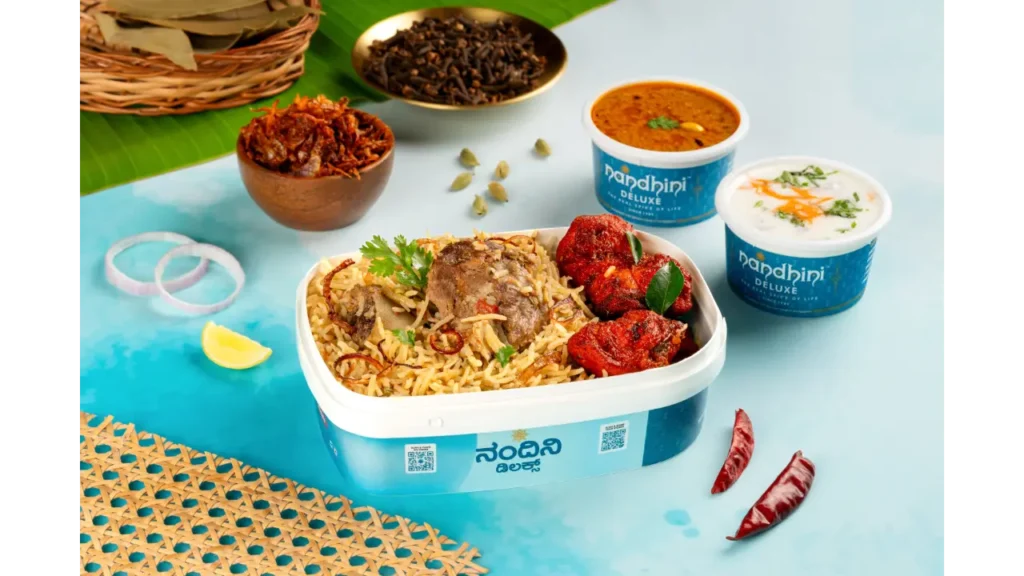
Order like a regular at Nandhini: the Mutton Biryani with an extra side of boondi raita and a quarter plate of Andhra mutton biryani in Bangalore is what our repeat customers default to. And if you have leftovers, here’s how to reheat Andhra biryani without losing flavour.
The Andhra Biryanis Most People Haven’t Heard Of
When most people say “Andhra biryani”, they mean the Guntur-style version – chilli-heavy, pakki method, red-orange rice. But Andhra Pradesh has at least three distinct regional styles, each with its own logic.
Nellore Biryani
Lighter than the Guntur standard. Nellore biryani uses a tomato-and-coconut base that softens the heat and adds a faintly sweet undertone. The spice is present but measured.
Vijayawada Biryani
The wettest of the Andhra styles. Vijayawada biryani (sometimes called Bezawada biryani) leans on green chilli paste and raw garlic. The rice arrives almost gravy-coated rather than dry. It’s aggressive in a different register less about dried chilli burn, more about fresh chilli sharpness.
Rayalaseema Biryani
The driest and most chilli-forward of the three. Rayalaseema biryani uses the least liquid, the most chilli, and often incorporates black stone flower (kalpasi) for a smoky, earthy undercurrent. This is the variant that earns Andhra biryani its reputation as India’s spiciest rice dish.
Beyond regional styles, Andhra biryani has unique variants that no Hyderabadi tradition shares: ulavacharu biryani (cooked in horse gram broth – earthy, protein-dense), avakaya biryani (raw mango pickle stirred through the rice), and gongura biryani (sorrel leaf base that adds a sour, tangy dimension). These aren’t fusion experiments. They’re village-level traditions that have been cooked for generations.
Frequently Asked Questions
Which is the no. 1 biryani in India?
Hyderabadi biryani is the most widely recognised style in India, but Andhra biryani outsells it in several southern states due to its bolder spice profile and direct cooking method.
Which is the king of biryani?
Hyderabadi dum biryani is often called the king of biryani for its royal Nizam heritage, though Andhra biryani loyalists argue that authentic spice and flavour deserve that title over history alone.
Is Andhra biryani spicier than Hyderabadi?
Yes. Andhra biryani uses Guntur chillies rated 30,000–100,000 SHU, while Hyderabadi biryani relies on milder Kashmiri chillies at 1,000–2,000 SHU, making the Andhra version significantly hotter.
What rice is used in Andhra biryani vs Hyderabadi?
Both use long-grain basmati rice, but Andhra biryani rice absorbs spice colour and turns orange-red, while Hyderabadi biryani rice gets its golden hue from saffron strands layered during dum cooking.
What do you eat with Andhra biryani?
Andhra biryani is traditionally served with pickles (avakaya or gongura pachadi), raw onion rings, and curd-based raita, unlike Hyderabadi biryani which is paired with mirchi ka salan and dahi chutney.
The Difference is in the Chilli
Strip away the history, the cooking debates, and the regional pride, and the core difference comes down to one thing: Andhra biryani is built around the Guntur chilli. Hyderabadi biryani is built around saffron and dum. One is a direct statement. The other is a slow reveal. Both are worth ordering – just know which one you’re walking into.
At Nandhini, we’ve been cooking Andhra biryani the same way since 1989. The chillies still come from Guntur. The rice is still basmati. The recipe hasn’t changed because it hasn’t needed to. If you want to explore more, our full Andhra biryani guide covers everything from ordering tips to regional variants across Bangalore.
Next time you’re choosing, pair your biryani with the best sides to pair with your biryani the right accompaniment turns a good meal into the one you come back for.
The biryani’s ready when you are.