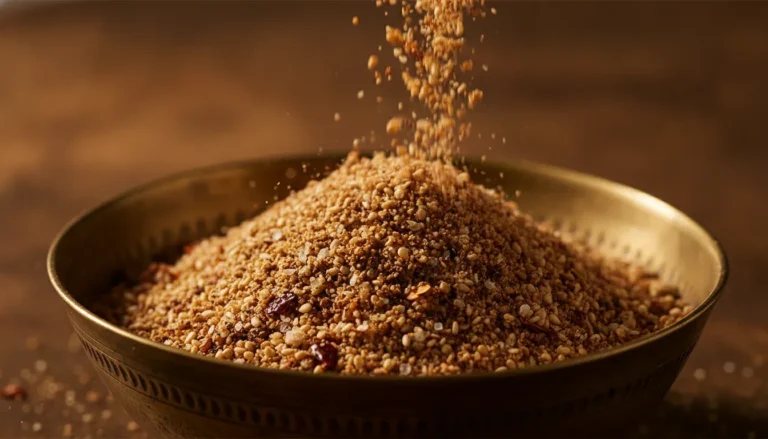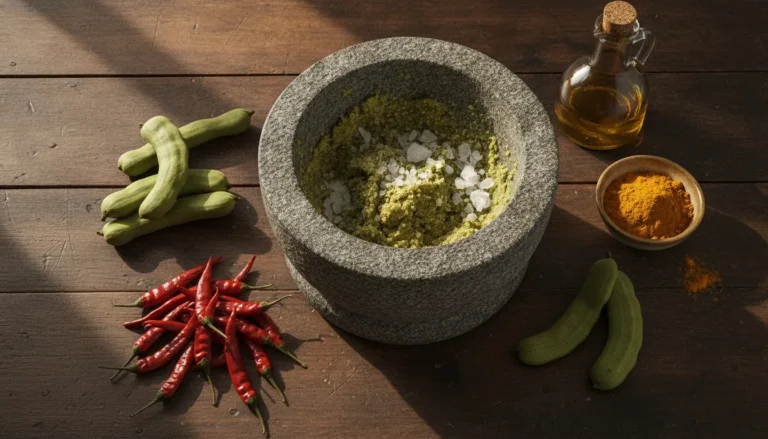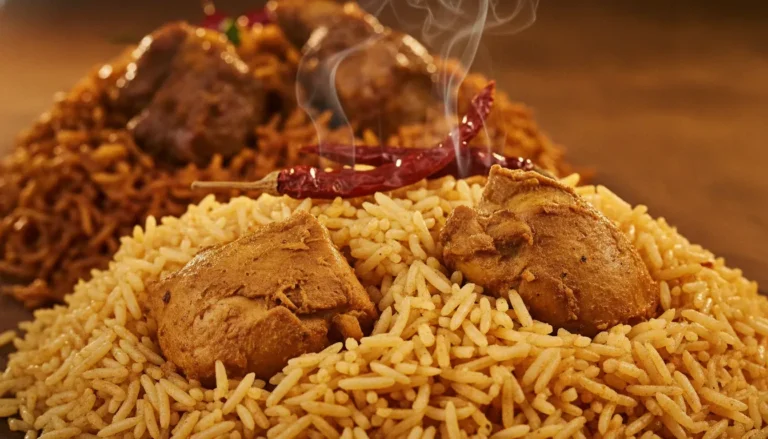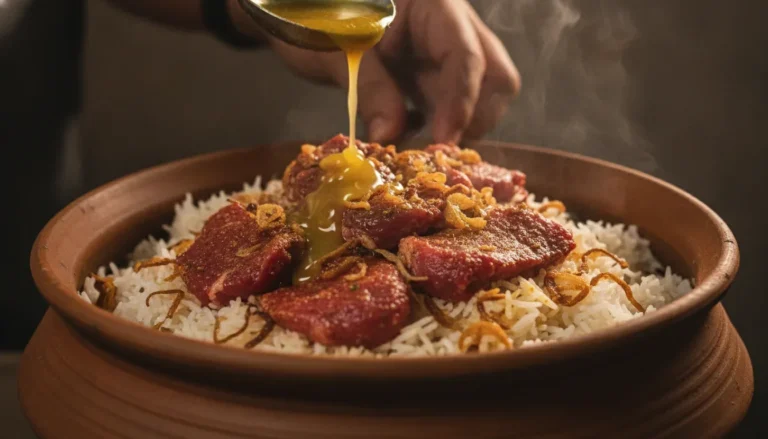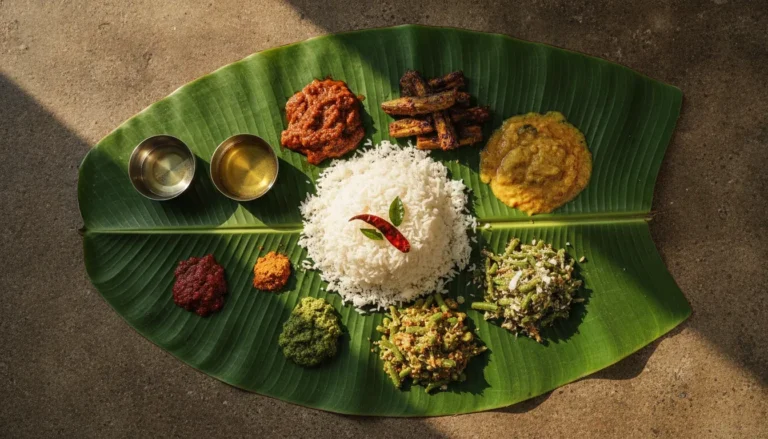
If your idea of non-veg starts and ends with butter chicken, you’ve been eating in one lane of a four-lane highway. Andhra non-veg meals run on chilli, raw tamarind, and cooking techniques that make cream-based gravies look like a warm-up act.
This isn’t a style difference. It’s a philosophy difference. North Indian non-veg cushions protein in silky sauce. Andhra non-veg lets the meat hold the spice – the chicken, mutton, or fish carries the flavour directly, with no cream to hide behind. The heat is front-palate, built from Guntur chillies rather than gentle garam masala. The tang comes from raw tamarind, not tomato paste.
What follows is a protein-by-protein guide to Andhra non-veg meals – what the dishes are, what they taste like, how they differ from North Indian staples, and what to order whether it’s your first time or your fiftieth. Written from a kitchen that serves over 10,000 non-veg meals daily across Bangalore.
Andhra Non-Veg Dishes: Quick Reference
Before the deep dive, here’s the cheat sheet. Ten dishes across four proteins, with spice levels and pairing suggestions.
| Dish (Telugu Name) | Protein | Spice Level | Best Paired With | Cooking Style |
| Kodi vepudu (chicken fry) | Chicken | Hot | Steamed rice, raita | Dry fry (vepudu) |
| Andhra chicken curry | Chicken | Medium–Hot | Rice, chapati | Pulusu (tangy gravy) |
| Chicken 65 | Chicken | Medium | Onion rings, mint chutney | Batter-fried, yoghurt-tossed |
| Gongura chicken | Chicken | Medium–Hot | Rice | Sorrel leaf sauté |
| Gongura mutton | Mutton | Hot | White rice, raita | Slow-cooked sorrel curry |
| Mutton pepper fry | Mutton | Medium | Chapati, parota | Dry fry (vepudu) |
| Chepala pulusu (fish curry) | Fish | Medium–Hot | Rice | Tamarind gravy (pulusu) |
| Royyala iguru (prawn curry) | Prawn | Hot | Rice | Thick reduced curry (iguru) |
| Natu kodi pulusu (country chicken) | Chicken | Hot | Rice, pickles | Bone-in tangy curry |
| Egg curry (guddu pulusu) | Egg | Medium | Rice, chapati | Tamarind-based gravy |
Now, protein by protein.
What Makes Andhra Non-Veg Different from North Indian
The short answer: everything except the protein itself.
Andhra cooking builds flavour from chilli, tamarind, and curry leaf. North Indian cooking builds it from cream, butter, and kasuri methi (dried fenugreek). The difference shows up the moment food hits your palate. Andhra heat is direct – Guntur Sannam chillies at 30,000–100,000 Scoville units, hitting the front of your tongue immediately. North Indian heat is aromatic warmth, slow-building from garam masala and Kashmiri chillies that sit closer to 1,000–2,000 Scoville.
Three cooking methods define Andhra non-veg and none of them involve a tandoor:
Vepudu – dry frying in a chilli-spice paste until the protein develops a crust. Think kodi vepudu: chicken pieces roasted until each bite cracks through spice into tender meat. Pulusu – a tangy, tamarind-based gravy with no cream. Thin, sharp, designed to soak into rice. Iguru – a thick, reduced curry where the masala clings to the protein. Royyala iguru (prawn curry) is the textbook example: prawns coated in a concentrated spice paste, almost dry.
| Andhra Non-Veg | North Indian Non-Veg | |
| Flavour base | Chilli + tamarind + curry leaf | Cream + butter + kasuri methi |
| Heat source | Guntur chilli (30,000–100,000 SHU) | Kashmiri chilli (1,000–2,000 SHU) |
| Signature gravy | Pulusu (tangy, thin, no cream) | Makhani (rich, buttery, tomato-cream) |
| Dry preparation | Vepudu (spice-crust fry) | Tandoori (clay-oven roast) |
| Protein role | Meat carries the spice directly | Meat cushioned in creamy sauce |
| Go-to starter | Chicken 65, kodi vepudu | Tandoori chicken, seekh kebab |
Andhra Pradesh leads India in per capita meat consumption – 28.78 kg annually, with a 40% surge between 2018 and 2025. The Andhra cuisine’s non-vegetarian traditions aren’t a footnote. They’re the main chapter. For a deeper look at the spice science, read
Chicken Dishes: From Kodi Vepudu to Chicken 65
Chicken is the entry point for most people exploring Andhra non-veg. The preparations range from mild(ish) starters to Guntur-level heat, so there’s a path in regardless of your spice tolerance.
Kodi Vepudu (Chicken Fry)
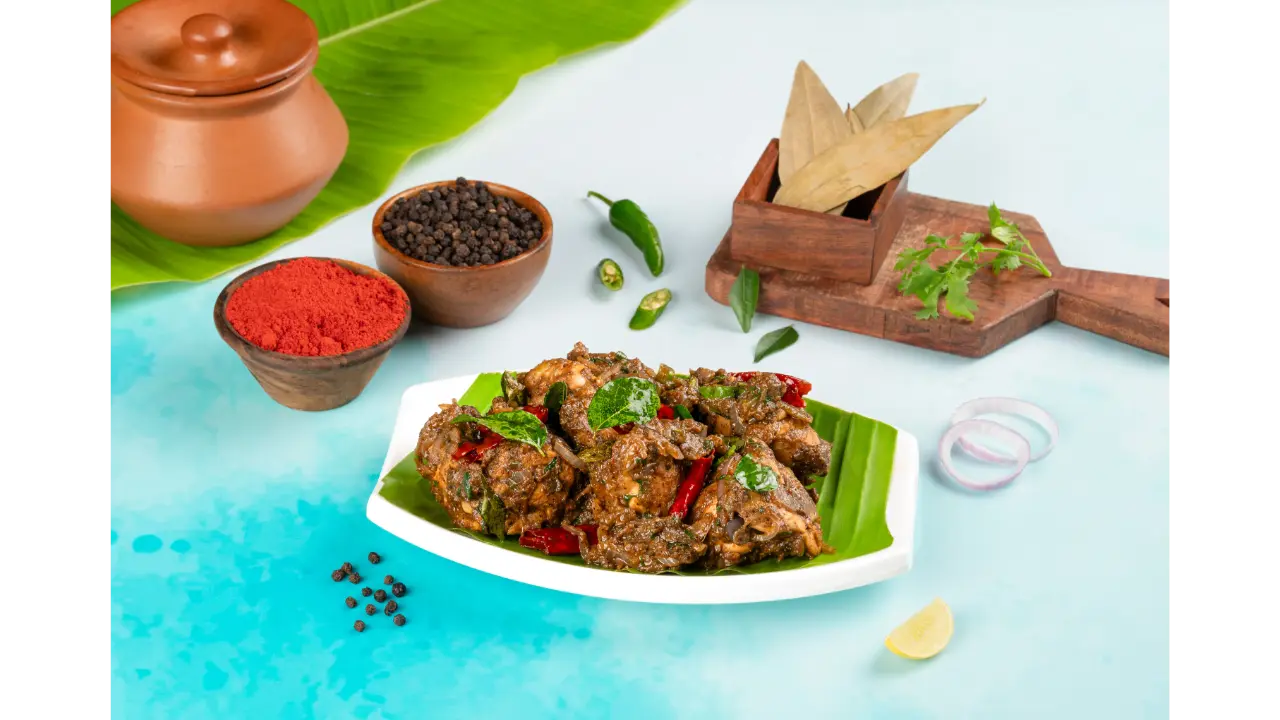
The most iconic Andhra non-veg starter, full stop. Bone-in chicken pieces dry-roasted with a paste of red chillies, cumin, and peppercorn until each piece develops a rough, rust-coloured spice crust. The curry leaf finish is non-negotiable – it adds a bitter, herbal note that cuts through the heat. Eat it with steamed white rice. Not naan, not parota. Rice. The starch absorbs the residual spice oil and brings the heat down just enough to keep you reaching for the next piece.
Spice level: hot. Not “set your mouth on fire” hot, but a persistent, building warmth that peaks about ten seconds after the first bite.
Andhra Chicken Curry
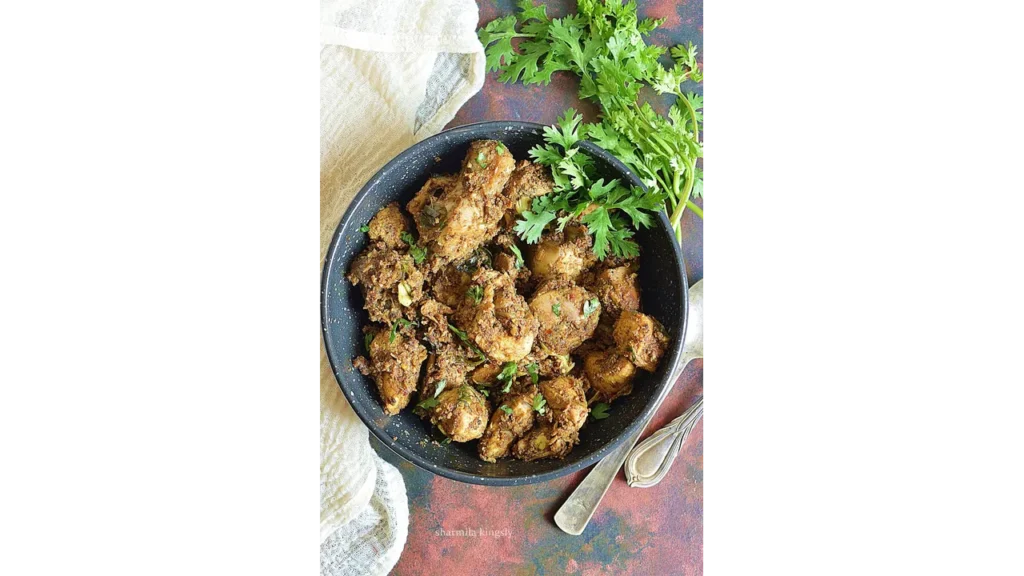
Forget butter chicken. Andhra chicken curry is a chilli-forward gravy with no cream, no butter, no apologies. The base is onion, tomato, and a fistful of dried red chillies ground to a paste. The gravy is thinner than North Indian curries – it’s meant to mix with rice, not coat a piece of naan. The andhra chicken curry taste is tangy first, spicy second, with raw tamarind providing an edge that cream-based curries simply can’t replicate.
Chicken 65
Nandhini’s signature starter and the dish that’s launched a thousand arguments about its origin. Boneless chicken marinated in yoghurt and spices, batter-fried until crisp, then tossed in a curry leaf and green chilli tempering. The exterior cracks; the interior stays yoghurt-tender. Pair it with sliced onion rings and mint chutney, not ketchup. For a detailed breakdown of how it compares to biryani as a standalone meal.
Spice level: medium. Approachable for first-timers.
Gongura Chicken
Gongura (sorrel leaf) is Andhra’s signature ingredient – sour, slightly bitter, and unlike anything in North Indian cooking. Gongura chicken sautés bone-in chicken with a sorrel leaf paste, green chillies, and garlic. The tang of the gongura does something remarkable: it brightens the chicken’s natural flavour instead of masking it. No North Indian equivalent exists.
Natu Kodi (Country Chicken)
Free-range, smaller birds with leaner, gamier meat and considerably more flavour than farm-raised broilers. Natu kodi pulusu – country chicken in a tangy, Guntur chilli base – is the version Andhra locals grew up eating. The meat is chewier, the broth thinner, the heat sharper. It’s not the prettiest dish on the table, but it’s often the one that gets reordered.
At Nandhini, the Chicken Sholay Kebab deserves its own mention – a house speciality that bridges tandoori technique with Andhra spice levels.
Mutton: The Other Star of Andhra Non-Veg
Gongura Mutton
If kodi vepudu is the most popular Andhra non-veg dish, gongura mutton is the most distinctive. Slow-cooked mutton in a sorrel leaf gravy that’s simultaneously sour, spicy, and earthy. The gongura breaks down during cooking, creating a thick, almost jam-like consistency that clings to the bone-in pieces. Eat it with plain white rice – nothing flavoured, nothing seasoned. The curry has enough going on for both.
Spice level: hot. The sourness tempers the heat, making it more complex than purely chilli-driven dishes.
Mutton Pepper Fry
Dry, peppery, finished with curry leaves and a squeeze of lime. This is bar-snack energy in Andhra form – small pieces of boneless mutton flash-fried with cracked black pepper and just enough chilli to remind you where you are. Pairs well with chapati or Malabar parota. Spice level: medium.
Bone-In Mutton Curry
The Andhra take on mutton curry uses a Guntur chilli base rather than the yoghurt-almond gravies of Lucknow or Kashmir. The gravy is thin, deeply red, and meant to be ladled over a mound of hot white rice. Bone marrow enriches the broth as it simmers. Mutton bone soup – a peppery, turmeric-yellow broth served as a starter – is an Andhra-specific tradition worth trying before the main meal arrives.
For the biryani version of Andhra mutton, the spice treatment and dum cooking method produce something distinct from Hyderabadi dum biryani. See our detailed guide to Andhra mutton biryani.
Seafood: Coastal Andhra on Your Plate
Coastal Andhra is India’s longest eastern coastline, and the cooking reflects it. If you’ve only tried Andhra chicken and mutton, the seafood section of the menu is where things get genuinely interesting.
Chepala Pulusu (Fish Curry)
Tamarind-based, not coconut-based – that’s the first distinction from Kerala or Goan fish curries. Chepala pulusu uses raw tamarind, dried red chillies, and fenugreek seeds to build a tangy, thin gravy that Andhra households serve over rice as an everyday meal. Vanjaram (seer fish) is the premium choice – firm flesh that holds its shape in the gravy. The curry is a rusty orange-red, thinner than you’d expect, and sharper on the tongue than any cream-based fish preparation.
Chepala Vepudu (Fish Fry)
Whole fish or fillets coated in a red chilli and turmeric paste, then shallow-fried until the crust turns almost black-red and the flesh inside stays moist. The spice crust on Andhra fish fry is thicker and rougher than the delicate coatings of Bengali or Goan fish preparations. Served with a wedge of lime and sliced onion. Spice level: medium to hot, depending on the kitchen.
Royyala Iguru (Prawn Curry)
Iguru means “thick, reduced curry” – and that’s exactly what this is. Prawns cooked down in an onion-tomato masala until the gravy concentrates into an intense, clinging paste. Coastal Andhra signature. The prawns absorb the masala rather than sitting in it. Spice level: hot.
Royyala Vepudu (Prawn Fry)
Quick-tossed prawns with chilli flakes, curry leaf, and garlic. Minimal gravy, maximum flavour. The kind of dish that disappears from the table before the rice arrives.
Nandhini’s Fish Sholay Kebab applies the house kebab technique to fresh fish – a crossover worth ordering. For more on coastal Andhra seafood dishes, we’ve written a dedicated guide.
The Non-Veg Andhra Thali: What’s on the Plate
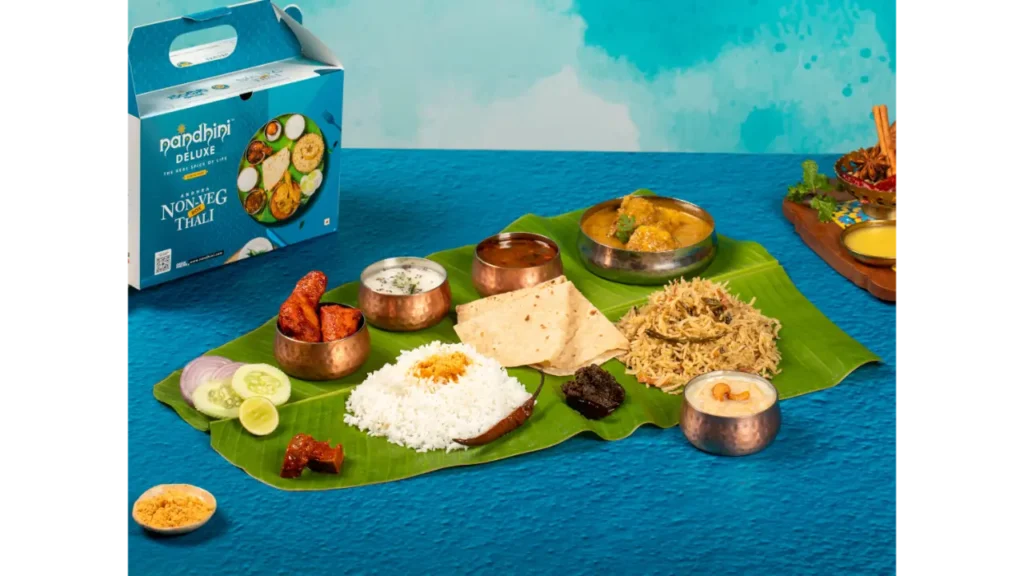
A non-veg Andhra thali is everything in a veg thali – rice, pappu (lentils), rasam, podi (spice powder), pickle, curd, and a sweet – plus a chicken or mutton curry and a dry fry (vepudu). The non-veg additions aren’t side dishes. They’re the centrepiece, and the rest of the plate is built to support them: the raita cools, the rasam cleanses, the rice absorbs.
At Nandhini, the non-veg meal formats run roughly like this:
Chicken Meal: Chicken Guntur Dry + chicken curry + chapati + rice + rasam + raita + sweet. Mutton Meal: Mutton Fry + Mutton Chops + chapati + rice + rasam + raita + sweet. Fish Meal: Fish Sholay Kebab + fish curry + same sides.
The non-veg thali is a complete meal structure, not a sampler plate. You’re not meant to pick at it – you’re meant to work through it in a specific order: start with the fry, mix the curry into rice, sip rasam between bites, finish with curd and sweet. That sequence manages the heat across the meal.
Link to weekly non-veg specials at RT Nagar for outlet-specific daily rotations.
High-Protein Combos for Gym-Goers
Andhra non-veg is naturally protein-dense. Unlike batter-heavy fried chicken or cream-loaded curries, the core Andhra cooking methods – vepudu (dry fry), pulusu (tangy gravy), and tandoori preparations – keep protein front and centre without burying it in carbohydrates.
Smart ordering for protein: skip the extra rice, double up on a chicken fry or mutton pepper fry, and add raita (yoghurt provides protein plus a cooling counterbalance). Grilled kebabs and tandoori items are the leanest options on the menu.
Andhra Pradesh leads India in per capita meat consumption at 28.78 kg annually. The cuisine was built around protein, not adapted to include it as an afterthought. That shows up in the portion structure – non-veg items in an Andhra meal are generous, not decorative.
For a detailed breakdown of macros and meal combinations, see our guide to high-protein Andhra meal options. And if you’re new to Andhra spice levels, here’s a practical approach to managing the heat if you’re new to Andhra spice.
Where to Find Andhra Non-Veg in Bangalore
Bangalore has more Andhra non-veg options than any city outside Andhra Pradesh itself. The practical question isn’t “where?” but “in what format?”
For a full non-veg thali: Andhra restaurants across the city serve structured non-veg meals with rice, curry, fry, and sides. Nandhini operates 15+ outlets across Bangalore, each running the same menu. For non-veg biryani: look specifically for Andhra-style biryani, which uses a different spice profile from Hyderabadi dum biryani. For starters and snacks: most Andhra restaurants maintain a deep starter menu – chicken 65, kodi vepudu, fish fry, kebabs – that works as a standalone meal with a biryani or as a precursor to a thali. For delivery: chicken fry and biryani travel well. Fish curry and full thalis are better experienced dine-in, where temperature and sequencing are intact.
Check Nandhini’s full non-veg menu for current pricing and availability across outlets.
For pairing suggestions with biryani orders, see best sides to pair with biryani.
Frequently Asked Questions
What are the most famous Andhra non-veg dishes?
The staples include kodi vepudu (chicken fry), chepala pulusu (tamarind fish curry), gongura mutton (sorrel leaf mutton curry), royyala iguru (prawn masala), natu kodi pulusu (country chicken curry), and chicken 65. Each represents a distinct Andhra cooking method – vepudu, pulusu, or iguru – applied to a different protein.
How is Andhra non-veg different from North Indian?
The foundation is different. Andhra non-veg uses chilli and tamarind as the flavour base rather than cream and butter. Cooking methods favour dry roasting (vepudu) and tangy curries (pulusu) over rich gravies. The result is bolder, spicier, and more direct – the protein carries the heat instead of being cushioned by sauce.
Is Andhra non-veg too spicy for beginners?
Not all of it. Tandoori items and kebabs are milder, and chicken 65 is one of the more approachable starters. Guntur-style dry preparations like kodi vepudu and gongura mutton sit at the hotter end. Pairing with raita, curd rice, or buttermilk helps manage the heat. Start with chicken 65 or a tandoori item, then work up.
What is a non-veg Andhra thali?
A non-veg Andhra thali includes rice, chapati, a chicken or mutton curry, a dry fry (vepudu), rasam, raita, pickle, and a sweet. Some restaurants add fish curry or mutton chops depending on the day. It’s a complete meal – structured so each element manages the heat and texture of the others.
What protein is best to try first at an Andhra restaurant?
Chicken is the safest entry point. Kodi vepudu (chicken fry) or chicken 65 are milder than mutton or seafood preparations and give you a clear sense of Andhra’s spice-and-dry-fry approach. Pair with raita and buttermilk for your first visit.
The Short Version
Andhra non-veg isn’t a spicier version of what you already know. It’s a different cooking philosophy. Chilli and tamarind instead of cream and butter. Dry fry instead of rich gravy. The protein carries the flavour, not the sauce.
Whether you start with a chicken 65 or go straight to gongura mutton is a matter of spice tolerance, not quality. Every protein section of an Andhra menu – chicken, mutton, seafood – has dishes worth crossing the city for. The best andhra non veg meals in Bangalore aren’t hiding. They’re on a 250-item menu that’s been running since 1989.
If you want the full picture beyond non-veg – veg sides, thali structure, ordering strategy – read our full Andhra meals guide. Or check our first-timer’s ordering guide if the menu feels overwhelming.
We’ve been cooking this way for 37 years. The recipes haven’t changed. The queue hasn’t shortened. Some things just work.