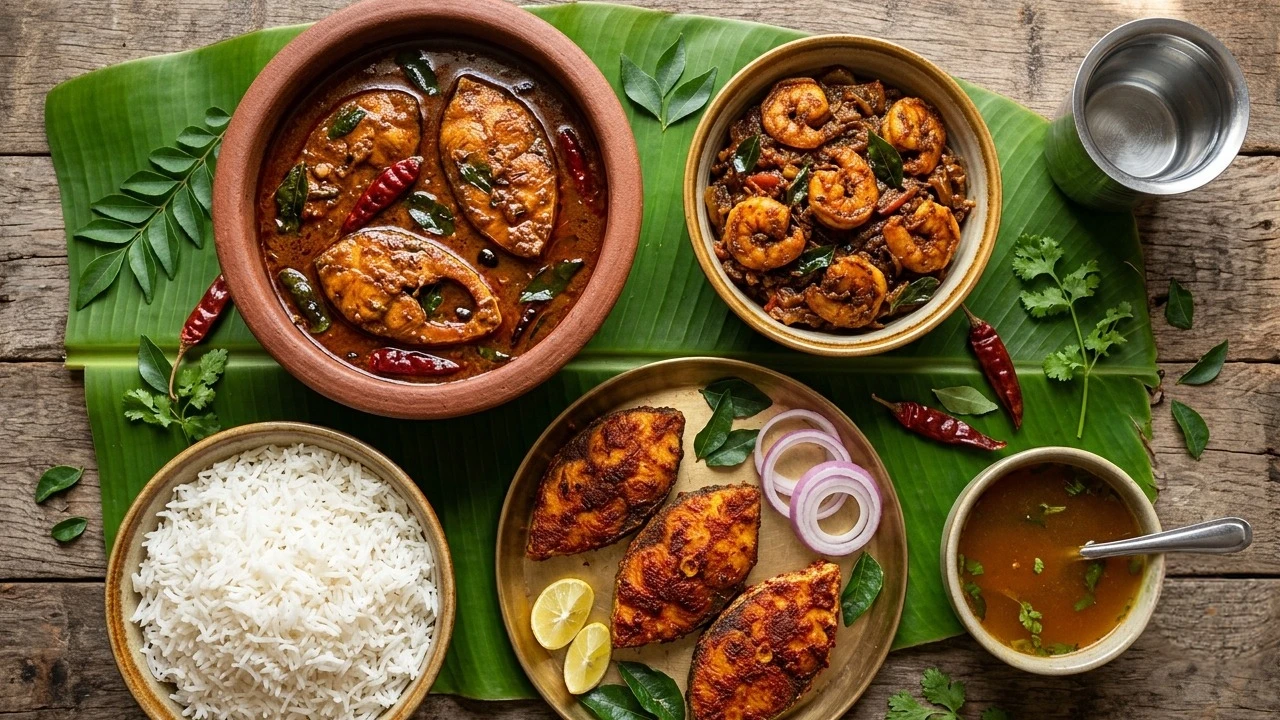
Along the Krishna and Godavari coast, a seafood meal is rarely one dish on its own. A bowl of chepala pulusu (fish in a tamarind-soured gravy) sits and darkens as it waits. Beside it, royyala iguru (thick, slow-cooked prawns) has reduced until the oil beads on the surface. Somewhere near the edge, the fish fry and prawn fry rarely reach the table whole, because someone always gets to them first. Coastal Andhra reads these four as one spread, not four recipes to look up separately.
This page keeps them together: what each dish is, which fish survives the pot, how pulusu, iguru and vepudu actually differ, and the regional styles that swing the balance from Nellore down to the Godavari districts. It sits inside the wider spread of the famous foods of Andhra Pradesh, and goes deep on the seafood corner most guides skip past.
Table of Contents
What is chepala pulusu?
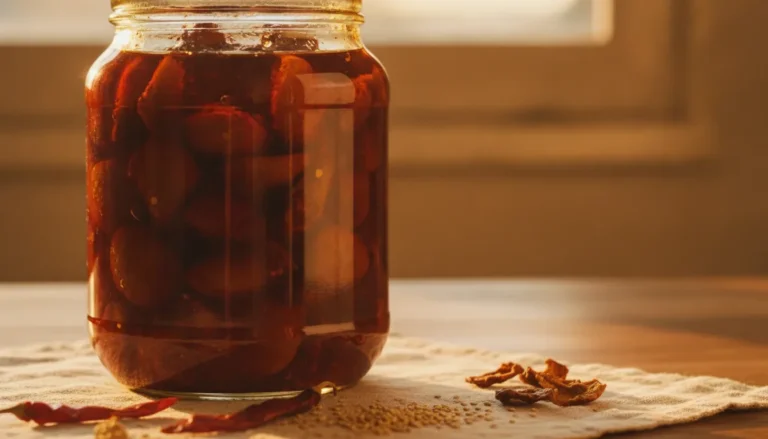
Chepala pulusu is a coastal Andhra fish curry simmered in a tamarind-soured gravy, sharpened with a dry-roasted spice powder and Guntur red chilli. The name says it plainly: pulusu means a tangy tamarind stew, so the dish is, at heart, fish cooked in sour tamarind, eaten with steamed rice.
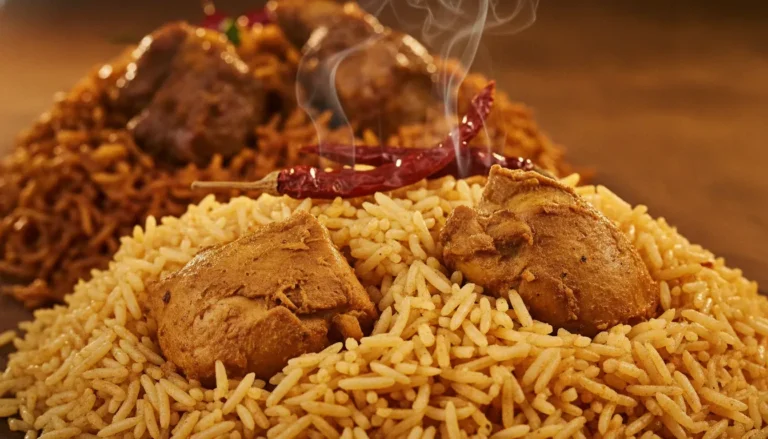
Royyala iguru is a thick, slow-cooked Andhra prawn dish, reduced until the masala clings and the oil separates. Royyalu means prawns and iguru means a rich semi-gravy, so this is prawns cooked down to a near-dry, deeply spiced gravy rather than a runny curry.
Pulusu vs iguru vs vepudu: the format decoder
These three words do most of the confusion, and no recipe page ever stops to explain them. They are less dish names than cooking formats, and once you know them, half of the Andhra non-veg menu decodes itself. The same fish or prawn can become a pulusu, an iguru or a vepudu, and each is a different eating experience.
| Term | Telugu meaning | Texture | Cooked how | Eat with |
|---|---|---|---|---|
| Pulusu | Tangy tamarind stew | Thin, pourable gravy | Simmered in tamarind water with roasted spice powder stirred through | Steamed rice, plenty of it |
| Iguru | Thick semi-gravy | Reduced, clinging, near-dry | Slow-cooked until the masala thickens and the oil separates | Rice, or as a side within a fuller meal |
| Vepudu | Dry fry | Dry, masala coating each piece | Marinated, then shallow or deep fried | Rasam, as a starter, or beside the curry |
Read it once and the menu stops being a wall of Telugu. Pulusu is the sour, saucy one for rice; iguru is the rich, reduced one you eat in smaller quantities; vepudu is the crisp, dry one that disappears first.
Chepala pulusu, properly made
The gap between a home cook’s first attempt and a coastal kitchen’s version usually comes down to three things: the masala, the oil, and patience.
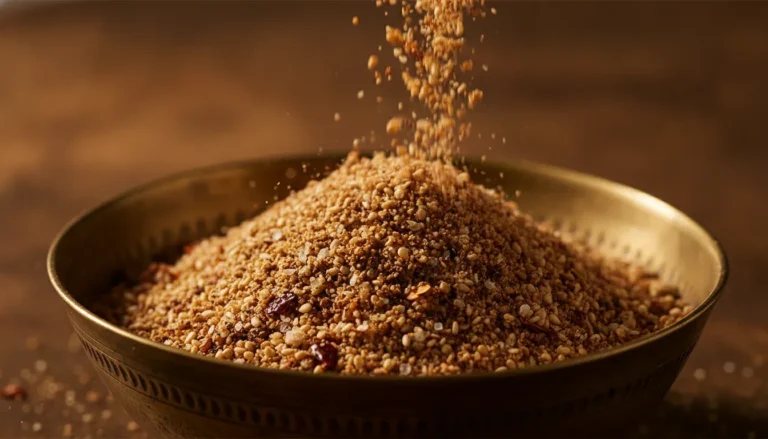
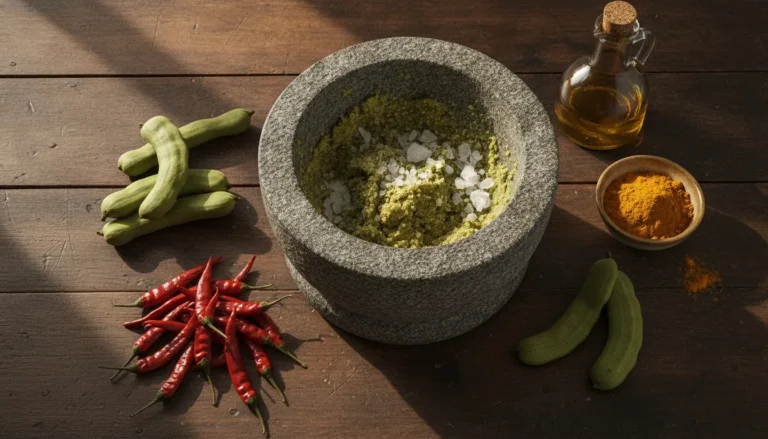
Start with the pulusu masala, dry-roasted rather than raw. Fenugreek (menthulu), cumin, coriander seed and a few dried Guntur red chillies go into a dry pan until they colour and turn fragrant, then to a coarse powder. That short roast is what separates a flat, one-note sourness from a gravy with depth behind it. Skip it and the curry tastes only of tamarind.
Then the oil. Gingelly, or sesame oil (nuvvula nune), is the coastal default, and it matters more than it sounds. It carries the chilli heat and gives the finished pulusu a rounder body that neutral oils never manage.
Tamarind is the spine. Coastal cooks pull a thick extract from a generous knob of tamarind (chintapandu), enough that the gravy reads clearly sour, then balance it with the roasted masala and a pinch of jaggery rather than drowning it. Guntur red chilli sets the heat, and that heat is real: Guntur Sannam chilli runs 30,000 to 50,000 on the Scoville scale, so a coastal pulusu carries a genuine sting, not a warm hum.
One technique separates the intact curry from the broken one. Once the fish goes in, you do not stir. You swirl the pot by the handle so the pieces bathe in the gravy without breaking up. Firm fish like korameenu take this well; softer fish need an even lighter hand.
And then you wait. Chepala pulusu is almost always better after a rest, ideally overnight. The tamarind and roasted spice keep working into the fish, the raw edges soften, and the whole thing settles into something rounder. Coastal households routinely cook it a day ahead, which is why the second-day bowl is the one people actually talk about. Served, it wants little more than hot rice and a spoon of the gravy worked in by hand.
Royyala iguru and the prawn side
Where pulusu is loose and sour, iguru goes the other way: thick, dark, slow. Royyala iguru starts with cleaned, deveined prawns (royyalu) and a base of onion, ginger-garlic, tomato and the same Guntur-led spice, then cooks down slowly until the masala tightens around each prawn and the oil beads at the edges. That oil separation is the doneness signal coastal cooks watch for. Rush it on high heat and the prawns turn rubbery, so the reduction is deliberate, low and unhurried.
Prawns iguru rewards restraint on liquid. There is no tamarind flood here and very little added water, since the prawns and onions throw out their own moisture. The result sits somewhere between a curry and a dry dish, rich enough to eat in small quantities against a larger meal.
Alongside it runs royyala vepudu (prawn fry), the drier cousin: prawns marinated in chilli, turmeric and ginger-garlic, then fried hot and fast until the edges crisp and the masala clings. It is the plate that empties first.
There is also endu royyala, dishes built on dried prawns rather than fresh. Sun-dried prawns carry a concentrated, pungent depth that fresh ones cannot, and they turn up in dry-prawn iguru and in fiery dry-prawn powders eaten with rice and ghee. Fold the prawns into rice with whole spice instead and you get royyala pulao, the coast’s one-pot answer. Same idiom throughout, worked into a different texture each time.
Andhra fish fry and prawn fry
Fry is where the coast shows off, and a good chepala vepudu (fish fry) is built on the marinade, not the frying. Firm fish, ideally vanjaram or korameenu, is scored to the bone so the paste reaches in, then coated in a wet masala of ginger-garlic, Guntur red chilli, turmeric, a little tamarind or lemon, and a binding of rice flour or fine semolina for the crust. It rests for at least thirty minutes, longer if there is time.
The masala here is semi-dry by design, thick enough to cling and colour the fish rather than run off into the pan. Coastal cooks tend to shallow-fry on a tawa, turning once, so the crust sets without the fish drying out. Deep-frying is quicker and works, but the tawa gives you the lightly charred edges that make the difference.
Royyala vepudu follows the same logic with prawns, cooked hotter and faster since they need only minutes. The aim in both is a piece that is crisp and spiced outside and still juicy within, eaten as a starter, tucked beside a bowl of rasam, or run alongside the pulusu as the dry counterpoint to the sour gravy.
Which fish to use
Every coastal cook has a fish they reach for, and the choice is not about grandness but about how the flesh behaves in a long tamarind simmer. Firm, meaty fish hold their shape; soft, flaky fish break up and cloud the gravy.
Korameenu (murrel) is the benchmark for pulusu, prized for dense flesh and few bones that stay intact through the cook. Vanjaram (seer or king fish) is the premium choice, especially for fry, where its steak-like cut crisps beautifully. Pomfret sits on the softer, sweeter side and suits a gentler pulusu or a clean fry. Rohu is the everyday fish of Godavari kitchens, cheaper and softer, at its best fresh but in need of a careful hand so it does not fall apart.
| Fish (English) | Telugu | Texture | Best for |
|---|---|---|---|
| Murrel | Korameenu | Firm and meaty, holds together | The benchmark pulusu fish; stays intact in tamarind |
| Seer / king fish | Vanjaram | Dense, steak-like, few bones | Fry above all; a premium pulusu |
| Pomfret | Chanduva | Soft, sweet, flat-bodied | Fry, and a gentler pulusu |
| Rohu | Rohu | Softer flesh, more bones | Everyday pulusu, common in Godavari homes |
Buying for a first attempt, korameenu for the pulusu and vanjaram for the fry is the safe pairing.
Regional styles: Nellore, Godavari, Guntur
Coastal Andhra is not one kitchen, and the same dish shifts noticeably as you move along the coast.
Nellore, in the south, cooks with fire. Nellore chepala pulusu is the boldest of the styles, heavier on Guntur chilli and tamarind, unapologetically hot and sour, the version that put the dish on menus outside the state. If a pulusu makes you reach for water, it is probably cooked Nellore-style.
The Godavari districts and Konaseema pull the other way. Here the cooking is about balance, letting the fish and the souring sit in proportion rather than competing, often with rohu or local river fish and a slightly gentler hand on the chilli. It is the rounder, everyday register of the dish.
Guntur, unsurprisingly, brings heat. As the home of the chilli that flavours so much of Andhra cooking, Guntur-style leans into that 30,000 to 50,000 Scoville sting, with a drier, more pungent masala profile.
Then there is gongura chepala pulusu, where sorrel leaves (gongura) join the tamarind. Gongura carries its own sharp sourness, so the dish gains a green, tart depth layered over the tamarind, a genuine coastal variant rather than a novelty. Between Rayalaseema’s drier, hotter leanings inland and the coast’s tamarind-and-seafood core, these curries stay firmly a coastal signature.
Where to eat coastal Andhra seafood
Cooking this at home is one thing; the coast reaches Bengaluru through the kitchens that grew up in its idiom. Nandhini Deluxe has cooked Andhra food in the city since 1989, when Shri N. Ananda opened the first outlet at Minerva Circle, and it grew into the pioneer of the Andhra restaurant chain in Bengaluru. Today it runs 22 company-owned outlets, 20 across Bengaluru and 2 in Mysuru, all working in the same Guntur-chilli and tamarind register that defines coastal cooking, with the food reaching the table on a banana leaf.
That is the tradition an Andhra non-veg spread sits inside: gravies soured and spiced the coastal way, fry cooked to order, served as part of a full meal rather than in isolation. For anyone chasing the coastal Andhra table in Bengaluru, it is a reliable place to see where these dishes belong within the wider non-veg spread and the Andhra meals the city knows Nandhini for.
Frequently Asked Questions
What is chepala pulusu in English?
Chepala pulusu is a coastal Andhra fish curry cooked in a tamarind-soured gravy with a dry-roasted spice powder. Pulusu means a tangy tamarind stew, so the name translates, near enough, as fish in a sour tamarind curry, eaten with plenty of steamed rice.
Which fish is best for chepala pulusu?
Firm-fleshed fish hold up best in the tamarind gravy: korameenu (murrel), vanjaram (seer or king fish), pomfret and rohu. These stay intact through the simmer while soaking up the sourness and heat, rather than breaking apart into the pulusu.
What is the difference between iguru, pulusu and vepudu?
Pulusu is a thin, tamarind-soured gravy eaten with rice. Iguru is a thick, slow-cooked semi-gravy, reduced until the oil separates and the masala clings. Vepudu is a dry fry, the piece marinated and cooked until the spice coats it and nothing pools.
What does royyala iguru mean?
In Telugu, royyalu means prawns and iguru means a thick, slow-cooked gravy. So royyala iguru is a semi-dry prawn dish, reduced until the masala turns rich and clings to each prawn, rather than a runny curry you would ladle over rice.
Why does chepala pulusu taste better the next day?
Resting lets the tamarind and roasted spice powder settle into the fish, so the sourness and heat round out and lose their raw edge. Many coastal cooks make it several hours or a day ahead for exactly this reason, then reheat gently.
Where can I eat authentic coastal Andhra seafood in Bengaluru?
Nandhini Deluxe serves Andhra non-veg food across its 22 outlets in Bengaluru and Mysuru, cooked in the Guntur-chilli and tamarind idiom of the coast. It is a dependable place to find the coastal Andhra spread as part of a full banana-leaf meal.