For a few weeks between November and February, tamarind trees across Coastal Andhra carry something most people walk past: hard green pods, sour enough to tighten your jaw, nowhere near the sticky brown pulp they turn into by summer. That short season is the whole reason chintakaya pachadi exists. Pick the pods young, before they ripen, and you get a pickle with a sharpness ripe tamarind can never match. It sits among the sharpest of the Andhra pickles and podis, and it rewards getting the timing right. Miss the window and you wait a year. Get it right, and one jar keeps until the next harvest comes round.
| Chintakaya is raw, green, unripe tamarind, the young pod of Tamarindus indica picked before it ripens into brown pulp. Chintakaya pachadi is the Andhra pickle made from it, cured with salt, turmeric and red chilli. It is not ripe tamarind (chintapandu), and not seema chintakaya, which is Manila tamarind, a different fruit. |
Table of Contents
What is chintakaya, and what is it in English?
The name trips people up, and the search box shows it. Chintakaya in english is one of the most-typed questions about the fruit, sitting right alongside the recipe itself. So here is the plain map. Chintakaya is the Telugu word for the raw green pod. Chintakaya in Kannada is hunase kayi, the name you would use in a Bengaluru market. Tamil cooks call it pachai puli. The botanical name is the tree behind every tamarind, Tamarindus indica, caught at a younger stage. Put simply, chintakaya pachadi in English is raw tamarind pickle, or green tamarind pickle.
The distinction that actually matters is raw versus ripe. Chintakaya is the green, hard, mouth-puckering pod. Chintapandu is the ripe version, the soft brown pulp you press into rasam or work through rice for Andhra tamarind rice. Same tree, different month, different job. One sours a pickle; the other sours a pot of rice.
There is a second trap worth clearing. Seema chintakaya is not young chintakaya at all. It is Manila tamarind (Pithecellobium dulce), a separate fruit with sweet white pulp, sold and searched for as its own thing. When a recipe or a seller uses the two names loosely, that is where kitchens go wrong. For this pickle you want the sour green tamarind pod, and nothing else.
Pachi, thokku, niluva or pandu mirchi – which one?
Ask for chintakaya pachadi in two Andhra homes and you may get two very different jars. The word covers a family of pickles, not one recipe, and picking the wrong one is the usual reason a first attempt disappoints. Here is how they split.
| Type | Telugu name | How it is made | Texture | Shelf life | Best for |
|---|---|---|---|---|---|
| Fresh | Pachi chintakaya pachadi | Raw tamarind ground fresh with salt and chilli, given a quick tempering, eaten straight away | Soft, wet, bright | A few days, refrigerated | The immediate hit of green tamarind with hot rice |
| Stone-crushed | Chintakaya thokku (roti pachadi) | Pounded on stone with salt and turmeric into a coarse paste, then tempered | Coarse, thick | Weeks to a few months | A keeping pickle without the year-long commitment |
| Year-keeping | Chintakaya niluva pachadi | Salt-cured, dried, packed and sealed under sesame oil | Firm, oily, deep red | Up to a year at room temperature | Stocking the shelf through the off-season |
| With red chilli | Chintakaya pandu mirchi pachadi | Built around whole ripe red chillies for a hotter, redder pickle | Coarse, fiery | Weeks to months | Anyone who wants heat leading the sourness |
If you want the taste of the season on today’s plate, make the pachi (fresh) version and keep it in the fridge. If you want a jar to dip into for a month or two without much fuss, thokku is the sweet spot, crushed coarse and tempered. If you are pickling for the year, niluva is the one that earns the effort, and its method is spelled out further down. The pandu mirchi version is a heat-forward cousin, built around whole red chillies rather than powder, and worth its own attention.
A quick note on where this sits. Chintakaya pachadi is a preserved, sour-base pickle. If you like the idea of a fresher, rounder relish instead, the tomato pachadi, andhra-style works on the opposite principle, a cooked-down base eaten within days rather than a salt-cured one built to last. Two different pleasures from the same shelf. There is also a Brahmin style made without onion or garlic, which changes nothing in the tamarind itself, only the tempering.
What goes in – and why it matters
A chintakaya pickle is a short list of ingredients doing specific jobs, and the reason it keeps or fails is written into that list.
Raw tamarind is the base, and it has to be raw. Green pods hold a firm, high-acid sourness that ripe pulp has already softened out of. That acidity is half the preservation; the salt is the other half. Rock salt is not seasoning here, it is the preservative, drawing moisture out of the pods and making the jar an inhospitable place for spoilage. Under-salt a year-keeping pickle and it will not last, however careful the rest.
Guntur red chilli brings the heat and the colour. Guntur chillies run roughly 30,000 to 50,000 on the Scoville scale, hot enough to stand up to the tamarind’s sourness without either one winning outright, which is why Andhra pickle masala leans on them rather than a milder chilli. Turmeric goes in for colour, mild antisepsis and depth.
Then the oil and the tempering spices. Sesame oil, nuvvula nune, is the traditional choice, poured to seal the surface and keep air off the pickle. Fenugreek, menthulu, is toasted and ground in small amounts to round the sharp edges; too much turns the jar bitter, which is a common home mistake. Mustard (aavalu) and a pinch of asafoetida (inguva) finish the tempering. This is the same pickle grammar behind avakaya and every serious Andhra ooragaya, only the fruit has changed.
How to make chintakaya niluva pachadi
This is the version worth the effort, the niluva (year-keeping) pickle that carries you from one tamarind season to the next. The chintakaya pachadi recipe below is the long-keeping method; scale it down and skip the oil seal if you only want a fresh batch for the week.
| The keeping ratioFor a jar that keeps a year: roughly 5 parts raw tamarind to 1 part rock salt, plus turmeric, sealed under a finger’s depth of sesame oil. Enough salt and enough oil are what buy you the twelve months. |
- Wash and dry completely. Rinse the raw tamarind pods, then dry them fully, ideally in the sun for a few hours. Any surface water left on the pods is the single most common cause of a spoiled jar.
- Salt-cure and rest. Chop or break the pods, mix through the rock salt and turmeric, and leave the lot to rest for about three days in a dry, covered vessel. The salt pulls water from the tamarind and starts the cure.
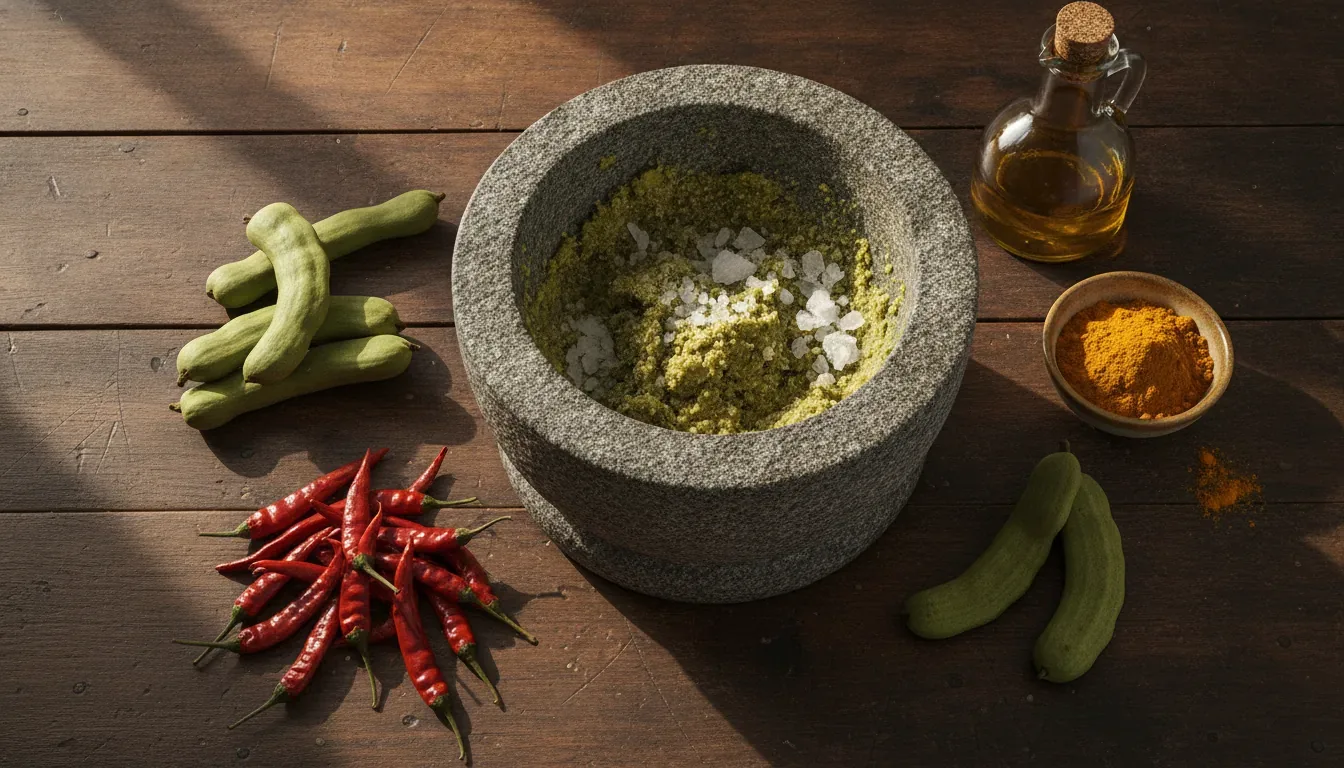
- Crush. Traditionally this is done on a rolu (stone mortar), pounding the salted tamarind to a coarse paste rather than a smooth one. A little texture is right.
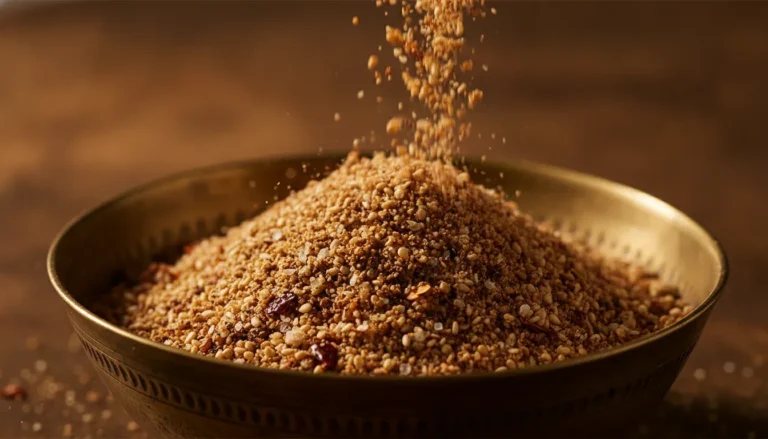
- Temper. Heat sesame oil, splutter mustard (aavalu), add fenugreek (menthulu), a pinch of asafoetida (inguva), Guntur red chilli powder and curry leaves, then cool the tempering before it meets the pickle. Hot oil on raw pickle can turn it.
- Combine and pack. Fold the tempering through the crushed tamarind, taste for salt, and pack into a clean, bone-dry glass or ceramic jar.
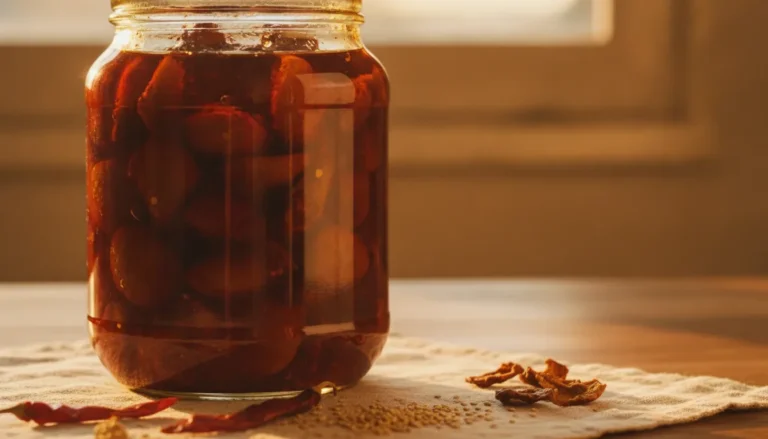
- Seal under oil. Pour warmed, cooled sesame oil over the top until a thin layer floats above the pickle. That oil seal keeps air off, and it is what separates a pickle that lasts from one that moulds.
This is chintakaya pachadi in the full Andhra style, and it runs on the same discipline behind how Andhra pickles are made across the whole ooragaya family: cure hard, keep it dry, seal it well. Give the jar a week before you open it. The flavours need that time to settle into each other.
Why chintakaya pachadi turns bitter or spoils
Most failed chintakaya jars fail for one of four reasons, and all four are avoidable.
Moisture is the first and the worst. Water on the pods, a damp jar, or a wet spoon dipped into the pickle introduces exactly what the salt and oil are working to keep out. The rule in Andhra kitchens is a dry spoon, always, and a jar dried to the point of certainty before anything goes in. If your pickle grows a film or a fuzz on top, moisture got in somewhere.
Low salt is the second. Salt is the preservative, not a seasoning to go easy on. A pickle salted for taste rather than for keeping will sour, ferment and turn within weeks. If you are nervous about salt, make the smaller fresh batch and refrigerate it, rather than under-salting a year jar and losing the lot.
No oil seal is the third. That floating layer of sesame oil is not garnish. It is the barrier between the pickle and the air, and a jar left without it will dry at the edges and spoil from the top. Top the oil up as you eat down through the jar.
Bitterness is the fourth, and it usually comes from the fenugreek. Menthulu (fenugreek) toasted too dark, or added with a heavy hand, drags a bitter note through the whole batch. Keep it light, and toast it only to fragrant, not brown.
One more, and it is seasonal. Pickling in damp, rainy weather fights you the whole way, because the pods will not dry and the salt cannot do its work. This is a winter pickle for a reason. If the air is wet, wait.
Is chintakaya pachadi healthy – and when to make it
Raw tamarind carries vitamin C, and green tamarind in particular has long been used in Andhra homes as an appetite stimulant, the sharp spoonful at the edge of the plate that wakes up a meal of rice and mudda pappu (plain dal). There is a genuine thread of goodness in the fruit itself.
The honest note is that this is a pickle, and a preserved one. It carries the salt and oil that let it keep, so it belongs at the side of a plate in a spoonful or two, not eaten as a serving of fruit. Treated that way, it earns its place.
On timing, the pickle follows the tree. Raw green tamarind pods form and are picked through winter, roughly November to February, which is exactly why the searches and the pickling both climb then. If you want to make it at its best, make it in season, when the pods are young, firm and properly sour. Out of season you are working with stored or lesser pods, and it shows in the jar.
The Andhra pickle tradition behind the jar
Chintakaya pachadi belongs to the same craft as avakaya (mango pickle) and gongura (sorrel-leaf) preserves, the ooragaya tradition that Coastal Andhra and Rayalaseema kitchens have kept for generations: sour base, hard salt cure, Guntur heat, a seal of sesame oil. Get those four right and the fruit almost does not matter. The method is the inheritance.
Nandhini Deluxe has cooked Andhra food in Bengaluru since 1989, and pickling is part of that kitchen, not a sideline to it. The same salt-and-oil discipline described here runs through our pickle and masala range, bottled the way an Andhra household would rather than smoothed out for a shelf. If you would sooner keep a jar than crush tamarind on a stone at home, that is the place to look.
Chintakaya pachadi is a winter thing, tied to a short season and a long-keeping method. Learn the ratio once, respect the salt and the oil, and a jar made in December will still be good the following November.
Frequently Asked Questions
What is chintakaya called in English?
Chintakaya is raw, green, unripe tamarind, the young pod of Tamarindus indica, picked before it ripens into the familiar brown pulp. It is not the same as ripe tamarind (chintapandu), and it is a different fruit from seema chintakaya, which is Manila tamarind.
What is chintakaya pachadi?
Chintakaya pachadi is an Andhra pickle made from raw green tamarind, salt, turmeric and red chilli. Chintakaya is the raw tamarind and pachadi the pickle or relish; versions range from a fresh same-day chutney to a year-keeping oil pickle eaten with hot rice.
Is chintakaya pachadi good for health?
Raw tamarind carries vitamin C and has long been used in Andhra homes as an appetite stimulant with rice. As a preserve, though, the pickle is salty and oily, so it is eaten in small amounts alongside a meal rather than as a serving of fruit.
What is chintakaya thokku?
Chintakaya thokku is the stone-crushed form of the pickle, raw tamarind pounded with salt and turmeric into a coarse paste (thokku or roti pachadi), then tempered with chilli and oil. It keeps for weeks to a few months, sitting between the fresh and the year-keeping versions.
How do you make chintakaya pickle?
Wash and dry the raw tamarind fully, then crush it with salt and turmeric and rest it a few days. Temper with red chilli, mustard, fenugreek and asafoetida in hot sesame oil, pack into a dry jar and seal under a layer of oil.
How long does chintakaya pachadi last?
Made the niluva way, with fully dried pods, enough salt, and an oil seal in a clean glass or ceramic jar, it keeps up to a year at room temperature. A fresh (pachi) chutney is not preserved and should be refrigerated and eaten within a few days.