Most kitchens tip the cooking water of a boiled lentil straight down the drain. In coastal Andhra they build a whole dish out of it. Ulavacharu (horse gram soup) is the dark, tangy broth that comes from cooking ulavalu (horse gram), a hardy dryland legume, and then keeping the liquid the pot gives up. It is a charu (a thin, spiced rasam), not a thick dal, and it belongs to the Guntur and Krishna districts of Andhra Pradesh. This page covers what it is, what the name means, where it comes from, how the strained stock is really made, an honest read on whether it is good for you, and where a diaspora searcher can taste the real thing.
Ulavacharu is a tangy Andhra rasam made from horse gram (ulavalu). The lentil is boiled, its dark stock strained off, then simmered with tamarind, spices and a tempering of mustard, cumin and garlic. Popular in the Guntur and Krishna districts, it is served hot with steamed rice and a spoon of ghee.
Table of Contents
What “ulavacharu” means
The name is built from two Telugu words. Ulava, or ulavalu in full, is horse gram, the legume the whole dish rests on. Charu is a thin, spiced soup, the rasam end of the Andhra table, and it matters that the word is charu and not pappu. Pappu is a thick dal you can stand a spoon in; charu is thin, pourable, meant to be spooned over rice and mixed through. Calling the dish ulavacharu tells a Telugu speaker exactly what to expect before they have seen the bowl: horse gram, thin, tangy, spiced.
In English it is usually called horse gram soup or horse gram rasam. The legume behind it, Macrotyloma uniflorum, picked up the English name honestly enough: it was long grown as feed for horses and cattle before it earned its place at the dinner table. The same bean travels under other names across the south: kollu in Tamil, kulthi or kulith in Hindi and Marathi. You will also see the dish written as two words, ulava charu, and occasionally as ulava kattu; same soup, same belt of country.
That charu-versus-pappu distinction is the one worth holding on to, because it is where most menu confusion starts. A charu is strained and thin and meant to be mixed loosely through rice; a pappu is a thick dal eaten as its own mound. Kollu rasam, the Tamil cousin, sits on the charu side of the line too. Get that straight and the rest of the dish explains itself: everything about how ulavacharu is cooked flows from the fact that it is a broth, not a mash.
Where it comes from
Ulavacharu is a dish of coastal Andhra, most at home in the Guntur and Krishna districts where horse gram grows well on dry, unfussy land. Horse gram is a survivor of a crop: it needs little water, holds up in poor soil and comes in after the rice is done, which is exactly why a delta full of paddy also leaned on this tough little legume. The soup started as farmhouse cooking, the kind of dish that turns a cheap, hard-wearing bean into something worth sitting down for, and it never lost that plainness even after restaurants dressed it up.
There is a thrift built into it that tells you where it came from. Nothing gets wasted: the gram gives up its stock, the stock becomes the soup, and the spent gram is ground back in or eaten alongside. It is the logic of a kitchen that could not afford to throw a thing away, and it produced a dish good enough that people who can now afford to waste plenty still make it on purpose.
Traditionally it is a winter dish. Horse gram is believed in Andhra households to generate heat in the body, so it turns up when the mornings are cold and gets set aside when the weather warms. That belief is worth stating for what it is: a piece of food tradition rather than a proven fact, but it is the reason a grandmother in the delta would have made ulavacharu in December and not in May. The soup carries that seasonal weight, an earthy, warming bowl for the coldest stretch of the year, eaten hot enough to fog a spoon.
How ulavacharu is really made
Here is the part the recipe blogs tend to rush and the packet-sellers skip entirely. Ulavacharu is a strained-stock dish. What gives it that dark, chocolate-brown colour and its clean, earthy depth is not mashed lentil; it is the cooking liquid itself, kept and treated as the main event.
The method, in the order a Guntur kitchen would run it:
- Soak overnight. Horse gram is hard and stubborn, so it soaks for a good several hours, usually overnight, before it will cook down.
- Pressure-cook, then strain. The soaked gram is pressure-cooked until soft. The dark stock is strained off and set aside. This liquid, not the gram, is the soup.
- Grind a little gram back in. A portion of the cooked gram is ground to a smooth paste and stirred into the stock for body, so the broth is thick and pourable rather than watery. Note the word little: the point is a strained stock with a touch of body, not a thick mash.
- Add tamarind. Tamarind pulp brings the tang that defines the dish, sharp against the earthy gram.
- Temper it. A tadka (tempering) of mustard seeds, cumin, garlic, curry leaves and dry red chilli is bloomed in ghee or oil and poured over the top; the garlic in particular is what makes a pot of ulavacharu smell like ulavacharu.
- Balance, if needed. Many homes add a small piece of jaggery to round the tamarind’s sourness. Some finish the bowl with ghee, butter or a spoon of fresh cream.
The one mistake worth naming is thickening the soup by mashing all the gram back in. Do that and you have moved the dish toward a pappu, losing the strained clarity that makes a charu a charu. It should pour, coat rice and cling lightly to a spoon, not sit in a heap. Serve it hot over steamed rice with a little ghee, and you have the dish exactly as coastal Andhra intends it.
Is it good for you? An honest read
Horse gram earns its reputation as a nourishing legume, and it is worth being plain about why rather than reaching for the word superfood. It is high in protein and fibre, supplies iron and calcium, and is low in fat, so a bowl of ulavacharu over rice is a genuinely substantial meal built on cheap, wholesome ingredients.
Beyond the nutrition, horse gram carries a long list of traditional and Ayurvedic associations: warmth in winter, help with weight management, a role in easing kidney and urinary complaints. Those are traditional beliefs, held for generations and worth knowing, but they are not settled medical fact, and this page is not the place to turn them into health advice. Eat ulavacharu because it is good food with real protein and fibre behind it; if you are managing a specific condition, that is a conversation for a doctor, not a soup.
From soup to biryani
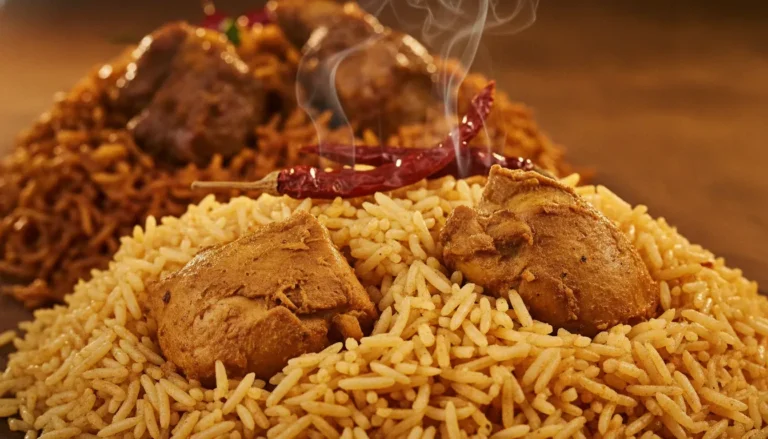
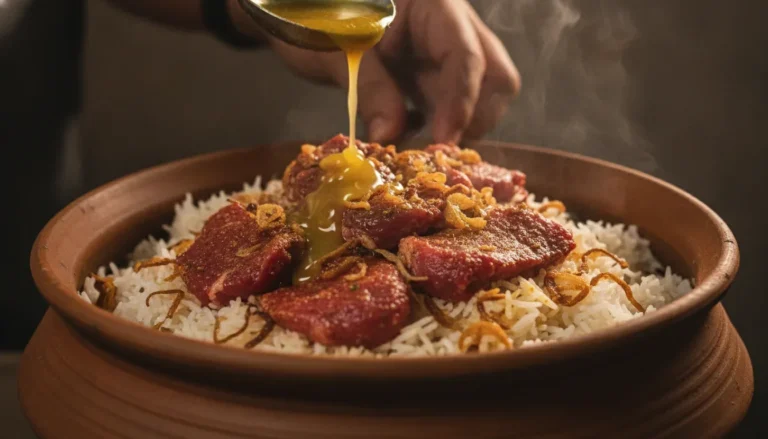
For all its farmhouse roots, the reason ulavacharu is on so many phones and menus today is a newer dish: ulavacharu biryani. Somewhere along the way, cooks worked out that the same dark, tangy soup makes a base for a biryani, its earthy depth soaking into the rice where a plain gravy would sit flat. Instead of pouring the soup over the meal, you build the meal around it.
In its common form the ulavacharu goes in either as the cooking liquid the rice takes up, or as a rich gravy ladled over a finished biryani at the table, so the tang of the horse gram runs right through every mouthful rather than sitting on top. The result is heavier and sourer than a standard biryani, and that is the whole appeal for the people who order it.
The idea took hold fast across Andhra restaurants, and for a lot of younger diners the biryani is how they meet ulavacharu at all, working backwards from the rice to the soup that flavours it. The two are not the same dish, though. Ulavacharu is the soup; ulavacharu biryani is what happens when you build a biryani on top of it. Both stand on the same horse gram foundation, and once you have tasted the soup on its own the biryani makes a great deal more sense.
Where to taste the real thing
If you saw ulavacharu on a menu, or grew up on it and have not found the real thing since moving cities, the honest answer to where to taste it is: somewhere that actually cooks coastal-Andhra food, not a general south-Indian kitchen that lists it out of habit.
Nandhini Deluxe has cooked Andhra food in Bengaluru since 1989, growing from a single kitchen at Minerva Circle into the city’s first Andhra restaurant chain. Guntur, where ulavacharu is most at home, is the same flavour country Nandhini’s kitchen has always drawn from, which makes it a natural place for a diaspora searcher to find authentic Andhra cooking rather than a diluted version of it. Have a look at our menu to see what is on the table.
Frequently asked questions
What is ulavacharu made of?
Ulavacharu is made from horse gram (ulavalu), tamarind and spices. The horse gram is boiled and its dark stock strained off to form the base; a little cooked gram is ground back in for body, then tamarind and a mustard-and-garlic tempering are added.
What is meant by ulavacharu?
The name is Telugu: ulava (or ulavalu) means horse gram, and charu means a thin, spiced soup or rasam, as opposed to pappu, a thicker dal. So ulavacharu simply means horse gram rasam, made in the traditional Andhra style.
What do we call ulavacharu in English?
In English it is usually called horse gram soup or horse gram rasam. Horse gram, the legume it is built on, takes its English name from its historic use as feed for horses and cattle; it is kollu in Tamil and kulthi in Hindi.
Is ulavacharu good for health?
Horse gram is a high-protein, high-fibre legume that also supplies iron and calcium and is low in fat, so ulavacharu is a nourishing dish. It is traditionally eaten in winter and valued in Ayurveda, though those wellness claims are traditional beliefs rather than proven medical fact.
What is the difference between ulavacharu and ulavacharu biryani?
Ulavacharu is the horse gram soup itself. Ulavacharu biryani is a modern dish that uses the soup as a rich, tangy gravy base for a rice biryani. The biryani became a restaurant favourite across Andhra Pradesh, built on the same horse gram foundation.